10 Piece Reusable Snack Bags Guide: Best Alternatives for 2026
10 piece reusable snack bags alternatives
What Is 10 Piece Reusable Snack Bags Alternatives?
When you're looking for 10 piece reusable snack bags alternatives, you're searching for sustainable, food-safe storage solutions that replace single-use plastic bags. These alternatives come in various forms: silicone food storage containers, beeswax wraps, glass containers with locking lids, and silicone stretch lids that fit multiple bowl sizes. The goal is simple: reduce waste while keeping your snacks fresh and your family safe from questionable chemicals.
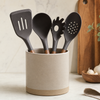
The best 10 piece reusable snack bags alternatives include pro-grade silicone storage containers, reusable silicone stretch lids, glass meal prep containers, and beeswax food wraps. Look for materials that are BPA-free, LFGB certified, and free of forever chemicals. DI ORO's silicone kitchen tools use the same pro-grade, forever-chemical-free silicone that's heat-resistant to 600°F and safe for direct food contact.
Traditional reusable snack bag sets work well for sandwiches and dry snacks, but they're not your only option. Silicone containers offer better structure for delicate items like berries or crackers. Glass containers provide superior visibility and won't absorb odors. Beeswax wraps mold around irregular shapes like half an avocado or a chunk of cheese. The right alternative depends on what you're storing and how you'll use it.
Benefits of 10 Piece Reusable Snack Bags Alternatives
Switching to reusable storage alternatives saves money over time. A quality set replaces hundreds of disposable bags annually. You'll also protect your food from plastic chemicals that can migrate into snacks, especially when exposed to heat or acidic foods. Materials like food-grade silicone and glass are inert and won't transfer unwanted flavors or substances.
Environmental impact matters. Single-use plastic bags take centuries to break down and often end up in oceans. Reusable alternatives reduce landfill waste and your carbon footprint. Many options are dishwasher-safe, making cleanup easier. Silicone containers and stretch lids can go from freezer to microwave, offering versatility that plastic bags can't match.
Organization improves with structured alternatives. Glass containers stack neatly in refrigerators and pantries. Clear materials let you identify contents at a glance. Proper seals help prevent spills in lunch boxes and backpacks, keeping your kid's homework dry and your car clean.
How to Choose 10 Piece Reusable Snack Bags Alternatives
Start with material safety. Verify products are BPA-free, phthalate-free, and certified by organizations like the FDA or LFGB. Avoid anything with PFAS or other forever chemicals. Pro-grade silicone offers excellent safety and durability, while glass provides a completely nonreactive surface. Check temperature ratings if you plan to use containers for hot foods or microwave reheating.
Material matters: Pro-grade silicone can resist temperatures up to 600°F and won’t crack, melt, or release unwanted chemicals under normal use. It’s also common in professional kitchens and medical-grade applications.
Consider your storage needs. Families packing multiple lunches daily need different solutions than someone meal-prepping for the week. Evaluate size variety, seal quality, and whether pieces nest for compact storage. Dishwasher-safe options save time. Transparent materials help you track what you have and cut down on food waste.
Durability determines long-term value. Look for products with warranties that back their quality claims. Reinforced seals, thick walls, and stain-resistant materials can signal better construction. Read reviews for real-world performance, especially seal integrity after repeated washing and how well materials hold up to daily use.
Frequently Asked Questions
Are silicone storage containers safe for hot foods?
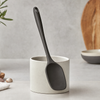
Yes, pro-grade silicone containers rated to 600°F are safe for hot foods. The same material used in DI ORO's award-winning silicone spatulas can work well in storage applications. Verify your containers are LFGB certified and free of forever chemicals. Avoid low-quality silicone that may degrade or hold onto odors when heated.
How do I clean reusable storage alternatives?
Most quality alternatives are dishwasher-safe. Place silicone containers on the top rack. Glass containers can go on any rack. For beeswax wraps, use cool water and mild soap, then air-dry. Avoid hot water on beeswax wraps because it can melt the coating. Silicone resists stains and odors better than plastic, which makes cleanup easier.
Can I freeze food in these alternatives?
Glass and silicone containers handle freezer temperatures well. Leave headspace for liquid expansion in glass containers to help prevent cracking. Silicone remains flexible even when frozen, so it won't crack or become brittle. Beeswax wraps aren't ideal for freezing because the coating becomes stiff and may crack. For detailed environmental comparisons, see glass and silicone containers handle freezer temperatures well.
What's the lifespan of these alternatives?
Quality silicone and glass containers can last for years with proper care. Glass can last indefinitely if it isn’t dropped. Pro-grade silicone typically maintains its integrity through many uses and wash cycles. Beeswax wraps often last six months to a year before needing replacement or re-waxing. Products with warranties, like DI ORO's Forever Warranty on kitchen tools, can be a good sign of manufacturer confidence in longevity.
Making the Switch to Reusable Storage
Transitioning away from disposable bags doesn't require replacing everything overnight. Start by identifying your most frequent storage needs. Pack lunches daily? Begin with a set of silicone containers in various sizes. Store bulk snacks? Glass jars with airtight lids work well. Need flexibility for odd-shaped leftovers? Silicone stretch lids can fit bowls, cans, and cut produce.
Build your collection strategically. Mix materials based on function rather than buying ten identical pieces. Combine glass containers for meal prep, silicone options for kids' lunches, and beeswax wraps for cheese and baked goods. This approach gives you the right tool for each job while maximizing your investment.
Storage success: Match container size to real portions. Oversized containers waste refrigerator space and leave extra air inside, which can speed up spoilage.
Label and organize your new system. Designate specific containers for school lunches versus weekend snacks. Store lids separately, or choose containers with attached lids. Keep frequently used items at eye level. A well-organized system means you'll actually use these 10 piece reusable snack bags alternatives instead of grabbing disposable options out of habit. For more insights on reusable bags and their impact, visit a well-organized system means you'll actually use these 10 piece reusable snack bags alternatives.
Care and Maintenance for Longevity
Proper care extends the life of reusable storage alternatives. Rinse containers soon after use to help prevent staining from tomato sauces or turmeric-based foods. For stubborn odors in silicone, make a paste with baking soda and water, scrub gently, then rinse well. Glass containers can handle more abrasive scrubbing without damage.
Inspect seals regularly. Damaged gaskets can compromise freshness and lead to leaks. Many manufacturers sell replacement seals separately, which can extend container life without replacing the entire unit. Check for cracks in glass, tears in silicone, or worn spots in beeswax wraps. Address issues early before they become food safety concerns. Additional maintenance tips can be found in this document.
Store containers properly between uses. Stack glass containers with paper towels between pieces to help prevent scratches. Keep silicone lids flat or roll them loosely to maintain shape. Store beeswax wraps folded in a cool, dry place away from heat sources. Proper storage helps prevent warping and damage that shortens product life.
Final Recommendations
The best 10 piece reusable snack bags alternatives combine safety, durability, and practicality. Prioritize pro-grade materials with third-party certifications. Your storage touches your family's food every day, so material quality isn’t negotiable. Forever-chemical-free silicone and lead-free glass can support safer storage while delivering years of reliable service.
Don’t compromise on seals. Leaky containers defeat the purpose and create messes. Test seal quality before committing to a full set: press lids firmly and tip containers upside down over the sink. A good seal should hold without requiring excessive force.
Reusable storage is an investment in both your budget and the planet. Calculate annual spending on disposable bags, then compare it to durable alternatives with warranties. Many households see the payoff quickly. Choose products backed by guarantees that show the maker stands behind their quality. Just as DI ORO's Forever Warranty protects our kitchen tools, strong warranties on storage containers can signal quality worth paying for.


Please upload banner from store admin blog pages