DI ORO Alternative to Hi-Spec: Health-First Upgrade
Key Takeaways
- Home chefs considering a DI ORO alternative to Hi-Spec are weighing budget against quality.
- Choosing between these brands depends on prioritizing upfront savings or long-term benefits.
- Health-first and performance-driven utensils offer enhanced safety and durability.
- Upgrading tools can improve overall cooking performance and longevity.
Table of Contents
- What "DI ORO Alternative to Hi-Spec" Really Means for Your Kitchen
- DI ORO vs Hi-Spec at a Glance (Key Differences That Actually Matter)
- Material Safety Showdown – DI ORO Silicone vs Hi-Spec Utensil Materials
- Heat Resistance in the Real World – DI ORO Up to 600°F vs Typical Hi-Spec Limits
- Seamless Construction vs Multi-Piece Tools – Cleaning, Safety, and Daily Joy
- Performance & Feel – DI ORO vs Hi-Spec in Real Cooking Scenarios
DI ORO Alternative to Hi-Spec: A Health-First, Pro-Grade Upgrade for Home Chefs
What "DI ORO Alternative to Hi-Spec" Really Means for Your Kitchen
When home chefs search for a DI ORO alternative to Hi-Spec, they're essentially asking: "Should I upgrade from budget-friendly tool bundles to health-first, performance-driven utensils?" The answer depends on whether you prioritize upfront savings or long-term safety, durability, and cooking performance.
If you're considering making the switch, investing in a 4-piece seamless spatula set or a 2-piece silicone spoon set can be a practical first step toward upgrading your kitchen essentials.
Defining the Two Brands in Plain Kitchen English
DI ORO specializes in forever-chemical-free, pro-grade silicone kitchen tools designed for serious home cooking. Their award-winning spatulas feature seamless construction, LFGB-certified silicone, and heat resistance up to 600°F, earning recognition from America's Test Kitchen and Cook's Illustrated.
Hi-Spec focuses on value-oriented tool kits and multi-piece utensil sets targeting budget-conscious households. Their offerings typically include mixed-material bundles designed for general kitchen tasks rather than specialized cooking performance.
A "DI ORO alternative to Hi-Spec" means choosing safer, higher-specification cooking tools over primarily budget-first options. Both can coexist in kitchens, but they serve fundamentally different priorities: performance and health versus price and quantity.
Quick Answer: Yes, if you prioritize non-stick safety, high-heat cooking (above 400°F), forever-chemical-free materials, and tools that last 5+ years. Maybe not if you only want the cheapest complete kit and rarely cook above 350°F.
- LFGB-certified, forever-chemical-free silicone versus standard "food-safe" plastics
- Heat resistance to 600°F versus typical 400-450°F limits
- Seamless construction eliminates bacteria-harboring seams
- Lifetime replacement policy versus limited warranties
Who This Guide Is For (Beginner to Serious Home Chef)
This comparison serves beginners building their first real utensil collection, Hi-Spec owners whose spatulas have warped or scratched non-stick pans, health-conscious cooks worried about forever chemicals, and avid home chefs seeking America's Test Kitchen-level tools.
You'll walk away with a clear upgrade path and specific DI ORO recommendations matched to your cooking style and safety priorities.
DI ORO vs Hi-Spec at a Glance (Key Differences That Actually Matter)

Core Philosophy – Budget Bundles vs. Health-First Performance
Hi-Spec designs multi-piece, budget-friendly tool collections that maximize quantity per dollar. DI ORO creates fewer, pro-grade tools optimized for daily cooking safety and performance. This translates to having five excellent tools versus fifteen "adequate" ones.
For those who want a comprehensive upgrade, the 5-piece seamless Di Oro spatula set offers a complete solution for most kitchen tasks.
Side-by-Side Snapshot – DI ORO Alternative to Hi-Spec
| Category | DI ORO | Hi-Spec | What It Means for You |
|---|---|---|---|
| Primary Materials | LFGB-certified silicone | Mixed plastics/metals | Clearer safety profile vs. unknown chemical migration |
| Heat Resistance | Up to 600°F | Typically 400-450°F | Safe for high-heat searing, roasting, candy-making |
| Construction | Seamless silicone over steel core | Multi-piece with seams | No bacteria-trapping gaps, easier cleaning |
| Non-stick Safety | Guaranteed pan-safe | Depends on specific piece | Protects coating investment long-term |
| Health Claims | Forever-chemical-free | Standard "food-safe" | Transparent material sourcing vs. basic compliance |
| Warranty | Lifetime replacement | Limited warranty | Lower long-term replacement costs |
When "Good Enough" Tools Start Holding You Back
Lower-specification utensils reveal their limits through melting edges around 400°F, handles loosening over time, and persistent staining from turmeric or tomatoes. These issues become obvious during high-heat stir-fries, sheet-pan roasting at 450°F, or candy-making where precise temperature control matters.
For a broader look at how DI ORO compares to other brands, you might find this DI ORO compared to ACFchefs article helpful.
Material Safety Showdown – DI ORO Silicone vs Hi-Spec Utensil Materials
What Is Pro-Grade, LFGB-Certified Silicone – and Why You Should Care
LFGB-certified silicone meets stricter European standards that test for over 1,000 potential contaminants and establish tighter migration limits than basic FDA compliance. This certification requires extensive testing for chemical leaching at high temperatures, exactly the conditions your spatula faces during daily cooking.
DI ORO uses pro-grade, LFGB-certified, BPA-free, forever-chemical-free silicone throughout their seamless construction. While standard "food-safe" materials meet minimum requirements, LFGB certification provides transparency about what touches your food during high-heat cooking sessions.
To learn more about the safety of cookware and bakeware, see this FDA resource on cookware and bakeware.
The "Forever Chemicals" Question in Cheaper Spatulas
PFAS (forever chemicals) appear in non-stick coatings, some plastics, and treated materials where they persist in the environment and human body indefinitely. Even when brands don't advertise PFAS content, cheaper mixed materials and unclear sourcing increase uncertainty about long-term exposure.
DI ORO's transparent approach eliminates this guesswork by specifically designing tools to avoid forever chemicals in any component that contacts food. This matters most for daily-use utensils that experience repeated high-heat exposure.
For more background on PFAS, you can review the EPA's basic information on PFAS.
Common Hi-Spec-Type Materials and What They Mean Day-to-Day
Value kitchen kits typically include nylon, standard food-safe plastics, aluminum components, and sometimes silicone-coated pieces with seamed construction. These materials offer lower upfront costs and lightweight handling.
However, they also present lower heat tolerance, increased warping and odor absorption, and uncertain chemical profiles during prolonged high-heat use. The tradeoff becomes apparent after 6-12 months of regular cooking above 375°F.
How to Check If Your Current Utensils Are Safe Enough
- Look for stamped temperature ratings (ideally 500°F+ for high-heat cooking)
- Check for seams, cracks, or loose heads where food and bacteria collect
- Note any discoloration, sticky film, or lingering odors after washing
- If the brand is unknown or tools are very old, replace anything used regularly over high heat
Practical rule: if you routinely cook above 400°F, choose utensils rated to at least 550-600°F for safety margin.
Heat Resistance in the Real World – DI ORO Up to 600°F vs Typical Hi-Spec Limits
Understanding Heat Ratings (What That 600°F Actually Covers)
Heat ratings distinguish between continuous working temperature and momentary contact with hotter surfaces. Pan surfaces can exceed 450°F even at 400°F oven settings, especially during searing or high-heat sautéing.
DI ORO's 600°F rating accommodates high-heat sautéing, searing, roasting, candy stages, and caramelizing sugar with safety margin for timing variations common in home cooking.
Common Kitchen Temps vs Material Limits
| Cooking Task | Typical Temp Range | Safe for DI ORO (600°F) | Typical Nylon/Plastic Limit |
|---|---|---|---|
| Pan-searing steak | 450-500°F | ✓ Safe with margin | ⚠ Near or over limit |
| Stir-frying in wok | 400-475°F | ✓ Safe | ⚠ Approaching limit |
| Oven roasting at 450°F | 450°F+ | ✓ Safe | ⚠ At limit |
| Candy-making | 240-300°F | ✓ Safe | ✓ Usually safe |
| Broiling on high | 500°F+ | ✓ Safe | ✗ Over limit |
Spotting Heat Damage Before It Ruins a Recipe
Heat damage appears as curled edges, glossy-to-dull finish changes, bubbling, faint burning plastic smell, or edge-only color fading. Prevent damage by rotating tools during high-heat cooking and avoiding extended contact with surfaces above your tool's rating.
Replace any utensil showing visible warping or persistent odor after a single high-heat incident, as structural integrity and food safety may be compromised.
If You Routinely Cook Hotter Than 400°F – Why DI ORO Is a Safer Bet
Sheet-pan vegetables at 450°F, smash burgers on cast iron, and homemade pizza all require tools that can handle sustained high temperatures without compromising performance or safety. DI ORO's 600°F rating provides crucial margin of error for home cooks still perfecting their timing, you won't need to worry about accidentally leaving your spatula resting on a hot pan for an extra minute while managing multiple dishes.
The difference becomes especially apparent during holiday cooking or dinner parties, when you're juggling several high-heat techniques simultaneously. A DI ORO alternative to Hi-Spec eliminates the mental load of constantly monitoring whether your tools can handle the heat, letting you focus entirely on the food.
If you want to explore more about how DI ORO compares to other alternatives, check out this DI ORO alternative to Boldly article.
Seamless Construction vs Multi-Piece Tools – Cleaning, Safety, and Daily Joy

What a "Seamless Silicone Spatula" Actually Is
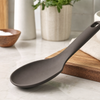
A seamless silicone spatula features a one-piece silicone body molded over a stainless steel core, eliminating removable heads, glued joints, or riveted connections. The steel core provides essential strength and stability for lifting heavier foods like thick pancakes or loaded omelets, while the seamless silicone exterior ensures no gaps where bacteria or food particles can hide.
For those who frequently cook with heavier foods, the seamless long spatula is ideal for flipping and lifting with confidence.
The Hidden Problem with Detachable Heads and Riveted Joints
Gaps and seams in multi-piece utensils create perfect hiding spots for food, oils, and moisture, leading to persistent odors and potential bacterial growth. Picture trying to remove tomato sauce residue from under a loose spatula head, or discovering curry oil that won't wash out of a riveted joint. These issues commonly appear in budget and bundle tools where manufacturers prioritize assembly cost over long-term hygiene.
Even tools that appear clean on the surface can harbor residue in these hidden spaces, affecting the taste of delicate foods and creating food safety concerns over time.
Cleaning Time: 30 Seconds with Seamless vs 3+ Minutes with Seamed Tools
DI ORO-style seamless tools require minimal effort: a quick rinse, light scrub with a sponge, and either dishwasher placement or air-drying. Total time: 30-60 seconds. Multi-piece tools demand removing heads (if possible), scrubbing joints with a brush, soaking stubborn residue, and carefully drying each component to prevent water spots or trapped moisture.
DI ORO tools are fully dishwasher safe, but their seamless design makes hand-washing equally effortless, a significant advantage during busy cooking sessions when you need the same tool multiple times.
Quick Self-Check – Do Your Current Tools Harbor Hidden Gunk?
- Press gently on removable heads and look for flex or oozing residue at seams
- Separate any detachable pieces and inspect interior surfaces for discoloration
- Perform a sniff test, if odors remain after thorough washing, replacement is warranted
- Check for food particles trapped in joints or crevices that resist normal cleaning
Performance & Feel – DI ORO vs Hi-Spec in Real Cooking Scenarios
Flex vs Strength – Getting the Scrape Just Right
DI ORO spatulas achieve optimal performance through engineered flexibility: slight flex at the edge for scraping bowls and pans clean, combined with a stiffer center thanks to the stainless steel core for lifting heavier foods without bending. This balance prevents the common frustrations of tools that are either too floppy to lift a loaded burger or too rigid to scrape batter from curved mixing bowls.
Test this at home by scooping up a fried egg, then scraping the pan's fond, note where your current spatula fails to perform both tasks effectively. For a versatile upgrade, consider the Seamless Pro 14-Inch Large Silicone Spatula for both strength and flexibility.
Edge Design – Why Your Brownies and Omelets Stick (or Don't)
DI ORO's thin, tapered edge slides cleanly under delicate foods without tearing or breaking, while thicker, blunt edges common in value kits tend to shove food around instead of lifting it. This difference becomes immediately apparent when flipping crepes, lifting cookies without breaking, or spreading batter evenly in a pan.
The precision edge design also prevents the frustrating experience of repeatedly attempting to get under stuck food, which often results in torn omelets or broken cookies.
Ergonomics – Handle Comfort in a 30-Minute Stir-Fry Session
DI ORO's ergonomic approach features contoured grips, balanced weight distribution, and smooth edges that won't dig into your hand during extended cooking sessions. Contrast this with squared or hard plastic handles that create pressure points and cause wrist fatigue during longer cooking tasks.
Try this simple test: cook one full 20-30 minute session with each tool and note any grip slips or wrist discomfort, the difference in hand fatigue becomes obvious during demanding recipes. If you often prepare stir-fries or need reliable grip, the 12-Inch Stainless Steel Kitchen Tongs are a great addition to your utensil drawer.
Performance Summary – DI ORO vs Hi-Spec in 4 Key Tasks
Stirring thick sauces or risotto: DI ORO's steel core prevents flexing under resistance, while seamless design won't snag on pan edges. Scraping batter from mixing bowls: Flexible edge conforms to bowl curves, making it easy to get every last bit. Flipping delicate foods: Thin, tapered edge slides under eggs or crepes without tearing. Serving and plating: Ergonomic handles and balanced weight make it easy to serve confidently, even with heavier dishes.
For those who want a bundled approach, the Bundles & Sets collection offers curated combinations for every kitchen need.
If you're interested in how DI ORO alternatives stack up against other brands, you might also enjoy reading about the ACFchefs alternative to DI ORO.
Frequently Asked Questions
What are the main differences in material safety between DI ORO silicone utensils and Hi-Spec tools?
DI ORO utensils use LFGB-certified, forever-chemical-free pro-grade silicone, ensuring no harmful substances touch your food. In contrast, Hi-Spec tools often use standard food-safe plastics or mixed materials that may not meet the same rigorous health-first standards.
How does the heat resistance of DI ORO kitchen tools compare to that of Hi-Spec utensils?
DI ORO kitchen tools are heat-resistant up to 600°F, making them ideal for high-heat cooking and baking. Hi-Spec utensils typically have lower heat resistance, usually maxing out between 400°F and 450°F, which can limit their use in more demanding cooking scenarios.
Why might a home chef choose DI ORO utensils over Hi-Spec despite the higher upfront cost?
Home chefs may choose DI ORO for its long-term durability, superior performance, and health-first materials that last 5+ years. The investment pays off with tools that perform better under heat, resist bacteria buildup, and come with a lifetime replacement policy, unlike many budget-focused options.
What benefits does seamless construction in DI ORO tools offer compared to multi-piece Hi-Spec utensils?
Seamless construction in DI ORO tools eliminates crevices where bacteria can hide, making cleaning easier and more hygienic. Multi-piece Hi-Spec utensils often have joints or seams that can trap food residue, reducing safety and daily kitchen joy.

Please upload banner from store admin blog pages