Hand Blender Recommendations: Creative Chefs Guide
Key Takeaways
- An unreliable blender can ruin your cooking experience and final dish quality.
- Choosing the right hand blender is essential for achieving smooth, professional results.
- High-quality hand blenders enhance your ability to create soups, smoothies, and more.
- Investing in the proper kitchen tools can elevate your culinary skills and confidence.
Table of Contents
- Why Every Creative Home Chef Needs the Right Hand Blender
- What Is a Hand Blender? Core Concepts for Kitchen Creators
- Top Hand Blender Recommendations for 2026 – Tested Picks That Deliver Pro Results
- How We Selected These Hand Blender Recommendations – Testing Methods and Criteria
- Key Features to Prioritize in Hand Blender Recommendations – Power, Ergonomics, and Design
- Corded vs. Cordless, Budget vs. High-Power: Smart Comparisons for Your Needs
- Troubleshooting Your Hand Blender: Fixes for Splatter, Overheating, and More
- Storage, Safety, and Pro Tips: Keep Your Hand Blender Ready for Action
Why Every Creative Home Chef Needs the Right Hand Blender
Picture this: You're midway through that silky butternut squash soup recipe when your ancient blender gives up, leaving you with chunky disappointment and a kitchen disaster. Don't let subpar tools sabotage your culinary ambitions. The right hand blender recommendations can transform your cooking from "good enough" to "where did you learn to cook like that?", whether you're perfecting holiday bisques or jumping on the latest smoothie trend.
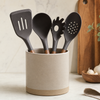
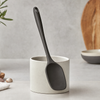
Hand blenders aren't just space-savers, they're creativity enablers. Blend directly in your pot, whip cream in seconds, or emulsify dressings without transferring between containers. When paired with DI ORO™ Seamless Spatulas or a 2-piece seamless blender spatula + jar spatula set, you've got a kitchen setup that performs as boldly as your culinary dreams.
For more inspiration on choosing the right utensils for blending and baking, check out our spatulas guide for expert tips and product spotlights.
What Is a Hand Blender? Core Concepts for Kitchen Creators

Hand blender = immersion blender = stick blender, all names for the same game-changing tool that submerges directly into your pot, bowl, or cup. Unlike countertop blenders that require pouring and transferring, hand blenders bring the power to your ingredients, making them perfect for aspiring chefs who want restaurant-quality results without the cleanup chaos.
Key components include the motor body (200-700W range), blending shaft (typically 5-8" stainless steel), blade guard for splatter prevention, and attachments like whisks and choppers. The magic happens when that shaft reaches 2-3 inches into your ingredients, creating the vortex that transforms chunky into silky in seconds.
For a deeper dive into the science and versatility of immersion blenders, see this comprehensive overview of immersion blenders.
Hand blender vs. countertop blender: Hand wins for small batches (1-4 cups), no-mess pot-direct blending, and storage efficiency. Vs. food processor: Hand blenders excel at liquid blending and emulsions, while processors dominate solid chopping. Vs. hand mixer: Blenders create smooth textures; mixers aerate and whip.
Pro tip for creative cooks: Test the fit before buying, your shaft must reach deep enough into your favorite soup pot to create that perfect vortex. Ideal for holiday roast gravies or trending smoothie bowls without sacrificing precious counter space.
Top Hand Blender Recommendations for 2026 – Tested Picks That Deliver Pro Results
All-Clad Stainless Steel - Best Overall Power
Best for: Serious home chefs who blend frequently and demand restaurant-quality results
This 600W powerhouse with 20 speed settings transforms fibrous vegetables into silk in 30 seconds. The twist-off shaft is dishwasher-safe, and the ergonomic design prevents fatigue during longer blending sessions. Ice crushing? No problem. The downside is weight (2.5 lbs) and price ($130-150), but the performance justifies both.
Breville Control Grip - Most Versatile
Best for: Home chefs who want multiple tools in one compact package
At 280W with included whisk, chopper, and jar attachments, this model maximizes drawer space efficiency. The pan guard prevents scratches on your cookware, and the nesting storage system keeps everything organized. Make mayo in 45 seconds with slow circular motions, it's that simple.
Vitamix Immersion - Best for Hot Ingredients
Best for: Soup enthusiasts and holiday entertainers
The 625W motor with wide guard handles heat up to 400°F, perfect for in-pot pureeing without cooling down. Five speed settings provide precise control, and it creates Christmas-worthy bisques in 20 seconds without transferring between containers.
Hamilton Beach 2-Speed - Best Budget Pick
Best for: Beginning cooks and occasional blenders
Under $50 with whisk and chopper included, this 250W model creates excellent vortex action for emulsions. Pulse three times for fibrous greens, and you'll get smooth results without the premium price tag.
KitchenAid Go - Best Cordless Freedom
Best for: Travel smoothies and small-space kitchens
The 60-minute battery life handles multiple smoothies in travel cups, and the 2-hour recharge keeps you mobile. Perfect for dorm rooms or RVs, but avoid ice blending for more than one minute to preserve battery life.
Other Notable Mentions
Cuisinart Smart Stick ($40): Beginner-friendly with intuitive controls and reliable performance for basic tasks. Beautiful by Drew Barrymore: Powerful budget emulsifier with aesthetic appeal and solid warranty coverage.
| Model | Power/Speeds | Key Attachments | Splatter Guard | Price Range | Best For |
|---|---|---|---|---|---|
| All-Clad Stainless | 600W, 20 speeds | Twist-off shaft | Wide guard | $130-150 | Heavy-duty blending |
| Breville Control Grip | 280W, variable | Whisk, chopper, jar | Pan guard | $80-100 | Versatility |
| Vitamix Immersion | 625W, 5 speeds | Heat-safe shaft | Extra wide | $120-140 | Hot soups |
| Hamilton Beach | 250W, 2 speeds | Whisk, chopper | Standard | $35-50 | Budget versatility |
| KitchenAid Go | Battery, variable | Travel cup | Compact | $60-80 | Portability |
Pair any of these hand blender recommendations with DI ORO™ Seamless Spatulas, our America's Test Kitchen winner that's heat-resistant to 600°F and made with forever-chemical-free silicone. Because what touches your food matters as much as how you blend it.
For more on how seamless spatulas can improve your food handling and blending experience, read our article on seamless spatulas for smooth food handling.
Quick Picks by Use Case
Best for Smoothies: KitchenAid Go (portable) or All-Clad (power)
Best for Small Kitchens: Breville Control Grip (nesting storage)
How We Selected These Hand Blender Recommendations – Testing Methods and Criteria
Our testing focused on real-world performance scenarios that matter to creative home chefs. We evaluated fibrous celery soup (smooth texture achieved in under one minute), ice crushing capability (10 cubes processed in 30 seconds), mayo emulsion stability (maintaining consistency for two minutes), and whipped cream performance (stiff peaks in 90 seconds or less).
Usability testing included grip comfort during five-minute sessions, one-handed speed dial accessibility, and weight distribution (ideal under 2 pounds). We assessed attachment utility, whisks achieving soft egg white peaks and choppers handling one-cup nut portions efficiently.
Durability evaluation covered 30-minute continuous runtime capacity and material quality comparison between stainless steel versus plastic components. Wattage thresholds proved critical: 300W minimum for stable emulsions, 400W+ for effective ice processing.
Before purchasing any of these hand blender recommendations, simulate your most frequent recipes. Test frozen berry smoothies if that's your routine, or verify shaft length for your deepest soup pot. Look for LFGB-certified shafts, the same health-first standard that makes DI ORO™ silicone tools forever-chemical free.
Pro testing tip: Check vortex creation by tilting the blender 15 degrees during operation. A proper vortex indicates sufficient power for your ingredient volume, preventing the frustration of incomplete blending that derails your culinary ambitions.
Key Features to Prioritize in Hand Blender Recommendations – Power, Ergonomics, and Design

Power specifications (200-700W) determine capability more than marketing claims. High wattage handles tough fibers in kale smoothies, while variable 5-20 speed settings prevent over-blending that turns perfect soup into runny disappointment. Match power to your ambitions, occasional users succeed with 250W, but daily smoothie makers need 400W minimum.
Ergonomic design separates kitchen workhorses from drawer clutter. Rubber grips, balanced weight distribution (1.5-2.5 pounds), and intuitive one-button triggers enable comfortable three-minute blending sessions without wrist strain. Test this before buying, your hands will thank you during holiday cooking marathons.
Essential attachments multiply functionality without multiplying storage needs. A quality whisk whips one cup of cream in under two minutes, while a chopper attachment handles nuts, herbs, and even small batches of salsa. Look for dishwasher-safe, detachable shafts for easy cleanup and longevity.
Splatter guards and blade design matter for mess-free blending. Wide guards prevent soup eruptions, and curved blades create a stronger vortex for smoother results. If you’re blending hot ingredients, ensure your model is rated for high temperatures and has a heat-resistant shaft.
Finally, prioritize health-first materials. Stainless steel shafts and BPA-free, LFGB-certified plastics ensure your food stays safe, just like our DI ORO™ spatulas, which are always forever-chemical free.
Corded vs. Cordless, Budget vs. High-Power: Smart Comparisons for Your Needs
The right hand blender recommendations depend on your cooking frequency and ambitions. Corded models deliver unlimited runtime with 500W+ power for demanding tasks like crushing frozen berries or pureeing fibrous vegetables. They excel during holiday cooking marathons when you're blending multiple batches of soup or whipping cream for desserts.
Cordless models offer 20-60 minute battery life with 200-400W power, perfect for quick mayo emulsions or single-serving smoothies. However, they struggle with ice crushing after 10 minutes of continuous use, making them better for occasional cooks than daily enthusiasts.
Budget models under $50 typically provide 200-300W with basic attachments, handling 80% of typical blending tasks. The Hamilton Beach 2-Speed crushes ice effectively and includes a whisk attachment, proving you don't need premium pricing for solid performance.
High-power models over $100 deliver 500W+ with premium materials and extensive speed control. They justify the investment if you blend daily or tackle challenging ingredients like raw nuts for butter or tough greens for smoothies.
| Type | Power Range | Runtime | Best Tasks | Price Range |
|---|---|---|---|---|
| Budget Corded | 200-300W | Unlimited | Soups, basic smoothies | $30-50 |
| Premium Corded | 500-700W | Unlimited | Ice crushing, nut butter | $100-150 |
| Cordless | 200-400W | 20-60 minutes | Quick emulsions, travel | $60-120 |
Advanced users benefit from 10+ speed settings for precise control, while beginners thrive with simple 2-speed models plus splatter guards. Pair any choice with DI ORO™ forever-chemical-free spatulas for safe ingredient handling during blending.
Troubleshooting Your Hand Blender: Fixes for Splatter, Overheating, and More
Splatter issues stem from improper container choice or technique. Use containers at least 4 inches deep and start blending at low speed for 5 seconds before increasing power. Keep the blade guard completely submerged, exposed blades create mess, not mixing.
Overheating occurs when motors run beyond their 2-minute continuous limit. Most hand blenders include thermal protection that automatically shuts off power. Allow 5 minutes cooling time between heavy blending sessions, especially when processing ice or thick mixtures.
Poor blending performance usually indicates overfilled containers or dull blades. Limit ingredients to 3 cups maximum and ensure liquid covers the blade guard. Sharpen blades monthly by pulsing through crumpled aluminum foil 20 times, or replace blades every 2 years with heavy use.
Cordless battery problems require proper charging habits. Fully charge for 2 hours before first use and avoid turbo settings for more than 30 seconds continuously. Batteries naturally degrade after 300-500 charge cycles, typically lasting 2-3 years with regular use.
Shaft leakage or odors develop when seals loosen or food particles accumulate. Tighten the shaft connection by turning 1/4 turn clockwise. Clean immediately after use, especially with hot ingredients, and air-dry completely before storage.
Quick Fix Checklist
- Splattering: Deeper container, start low speed
- Won't blend tough items: Check container capacity (max 3 cups)
- Motor stops: Cool 5 minutes, check for overload
- Shaft wobbles: Tighten connection, inspect for damage
- Burnt smell: Unplug immediately, air-dry 24 hours
Prevent issues by using DI ORO™ tongs for safe ingredient handling around hot soups and maintaining your blender with the same health-first standards we apply to our PFAS-free kitchen tools.
For more tips on maximizing your hand blender's effectiveness and keeping your kitchen tools in top shape, you might also enjoy our post on handy jar spatulas for scraping jars.
To learn more about food safety standards relevant to kitchen appliances and utensils, see the FDA's guidelines on preventive controls for human food.
Storage, Safety, and Pro Tips: Keep Your Hand Blender Ready for Action

Safety protocols prevent accidents during and after use. Always unplug before detaching components, and blend ingredients away from pot edges to avoid hot splatter. Wear an apron when working with sauces or soups, immersion blending can spray unexpectedly even with proper technique.
Optimal storage extends equipment life and maintains readiness. Wall-mounted holders work for kitchens with vertical space, while drawer storage requires slots at least 14 inches long. Coil cords loosely to prevent wire fatigue, and ensure complete air-drying before storage to prevent mold growth.
Daily maintenance is simple: rinse the blending shaft immediately after use, run the blender in a cup of soapy water for 10 seconds, then rinse and air-dry thoroughly. For stubborn residues, detach the shaft and soak in warm, soapy water. Never submerge the motor body, wipe it with a damp cloth only.
For health-first kitchens, use only LFGB-certified, forever-chemical-free utensils, like DI ORO™ spatulas, to avoid unwanted contaminants. Regularly inspect seals and connections for wear, and replace attachments as needed to keep your hand blender performing at its best.
Frequently Asked Questions
What key features should I look for when choosing a hand blender to ensure professional results?
Look for a hand blender with at least 200W of power, an ergonomic grip for comfortable handling, a detachable stainless steel blending shaft for easy cleaning, and variable speed settings to adapt to different recipes. These features help deliver smooth, consistent results and enhance your control in the kitchen.
How does a hand blender differ from a countertop blender, food processor, and hand mixer in terms of functionality?
A hand blender immerses directly into pots or bowls, blending ingredients in place without transferring, unlike countertop blenders which require pouring. It’s more versatile than a hand mixer, which is mainly for whipping, and more compact than a food processor, which handles chopping and slicing. This makes hand blenders ideal for quick, seamless blending tasks with minimal cleanup.
What are the advantages of using a hand blender for cooking soups, smoothies, and emulsions?
Hand blenders allow you to blend ingredients directly in the cooking vessel, saving time and reducing dishes. They create smooth textures for soups and smoothies and can emulsify dressings and sauces efficiently. Their compact design and variable speeds give you precision and flexibility to achieve professional-quality results.
How can I properly maintain and troubleshoot common issues with my hand blender, such as splattering or overheating?
To reduce splattering, use the blade guard fully submerged and start blending at low speeds, gradually increasing as needed. Prevent overheating by blending in short intervals and allowing the motor to cool between uses. Regularly detach and clean the shaft and blades to maintain performance and longevity.

Please upload banner from store admin blog pages