The Home Chef's Guide to Food Measure
food measure
Your Kitchen's Secret Weapon: Understanding Food Measures
Food measure refers to any method of quantifying ingredients--from measuring cups and spoons to digital kitchen scales. It's also the single biggest difference between a recipe that works and one that doesn't. Get it right, and your food reflects it every single time.
Why Accurate Measuring Matters for Home Chefs
A pinch too much baking soda. A heaping cup of flour instead of a level one. These small errors compound fast, turning a promising dish into a disappointing result. Mastering food measure isn't about being rigid--it's about giving your creativity a reliable foundation to build on.
Volume vs. Weight: Two Ways to Measure
Food measure covers every tool and technique used to quantify ingredients. Volume-based tools like measuring cups and spoons work well for liquids and casual cooking. Weight-based tools like a kitchen scale deliver superior precision for baking and portioning. Knowing which to reach for--and when--is what separates good cooks from great ones.
The DI ORO Difference: Quality You Can Trust
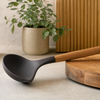
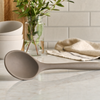
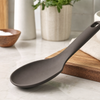
Great prep starts with tools that don't let you down. The DI ORO Seamless Soup Ladle is built with a one-piece silicone design, an 18/10 stainless steel reinforced core, heat resistance to 600°F, and BPA-free certification under both U.S. FDA and German LFGB standards. Zero forever chemicals. Zero compromise. When your tools hold up, your cooking does too.
A Baker's Best Friend: Mastering Measuring Cups and Spoons

The Classic Duo: Dry vs. Liquid Measuring Cups
Dry measuring cups are designed to be filled to the brim and leveled off. Liquid measuring cups have a pour spout and fill lines--they're meant to be read at eye level on a flat surface. Mix them up, and you're introducing consistent error into every recipe before you've even turned on the stove.
Spoonfuls of Success: Measuring Small Quantities
Measuring spoons handle everything from a tablespoon of olive oil to a quarter teaspoon of cayenne. For dry spices, fill and level with a straight edge. For thick liquids like honey, a light spray of cooking oil beforehand helps the ingredient slide out cleanly--no sticky residue, no guessing.
The Scooping Trap: How to Avoid Inaccurate Measurements
The most common mistake home chefs make? Scooping directly from the bag. That packs the ingredient, adding up to 20% more than the recipe actually calls for. Spoon dry ingredients into the measuring cup instead, then level with a straight edge. Never tap or shake the cup to settle the contents.
Measuring Cups and Spoons: Pros and Cons
Pros
- Fast and intuitive for most home recipes
- No equipment setup required
- Works well for liquids when you use the right liquid measuring cup
Cons
- Volume varies based on packing method
- Inconsistent results with dense dry ingredients like flour
- Less reliable than weight for baking precision
The Spoon-and-Level Method: A Step-by-Step
- Spoon flour into the measuring cup rather than scooping directly from the bag.
- Level dry ingredients with a straight-edged tool, not your finger.
- Read liquid measurements at eye level, not from above.
- Don't pack brown sugar unless the recipe specifically calls for it.
That single habit--spoon, then level--eliminates one of the most common sources of baking failure. Hold your cup over the bag or bowl, spoon in the ingredient until slightly overfilled, then drag a flat knife or bench scraper across the top. Simple, repeatable, right every time.
Our 4-Piece 18/8 Stainless Steel Measuring Spoon Set is built for exactly this kind of precision--sturdy enough to level with confidence, and designed to last well beyond your next kitchen overhaul.
The Precision Advantage: When and How to Use a Kitchen Scale
Baking Is Chemistry. Treat It That Way.
A 10% variance in flour can mean the difference between a tender crumb and a dense brick. Savory cooking offers more flexibility, but a food weight scale still removes guesswork from spice blends, pasta portions, and protein servings. Think of it less as perfectionism and more as giving yourself a repeatable win every time you cook.
Decoding Your Digital Scale: Tare, Units, and More
The tare function zeros out the weight of your bowl so you measure only what matters. Add one ingredient, tare, add the next--fewer dishes, less mess, more accuracy. Most digital scales toggle between grams, ounces, and pounds. For baking, grams win every time. They offer the finest resolution and match how most professional recipes are written.
| Method | Best For | Accuracy Level | Speed |
|---|---|---|---|
| Measuring Cups | Liquids, casual cooking | Moderate | Fast |
| Measuring Spoons | Small quantities, spices | Moderate | Fast |
| Food Scale (grams) | Baking, portioning, precision recipes | High | Moderate |
When to Reach for the Scale
Flour, almond flour, chocolate, butter--any ingredient whose density shifts with how it's stored belongs on a scale. A cup of all-purpose flour can weigh anywhere from 120 to 160 grams depending on whether it's just been sifted or sitting compressed in a canister. That 40-gram swing matters in a cake. It doesn't matter in a soup. Know the difference, and you'll know exactly which tool to grab.
Common Misconceptions That Are Quietly Wrecking Your Baking
The Flour Factor: Why Scooping Is Almost Always Wrong
Scooping flour directly from the bag compresses it--often adding 20 to 30 grams per cup beyond what the recipe intends. Professional bakers don't scoop. They spoon flour into the cup and level it, or they weigh it. One correction. More baking wins than almost anything else you could change in your kitchen routine.
Not All Cups Are Created Equal: The Density Problem
One cup of packed brown sugar weighs nearly twice as much as one cup of sifted powdered sugar. Same cup. Wildly different results. Density differences are why volume-based measuring works beautifully for some ingredients and completely falls apart for others. When a recipe lists weight, use weight. When it lists volume, use the right cup type and the right technique.
Leveling: The Step Most Home Cooks Skip
An unleveled tablespoon of baking powder can over-leaven a cake. An unleveled teaspoon of salt can ruin a delicate sauce. Keep a dedicated straight-edge tool near your measuring station--a bench scraper works perfectly. Consistent leveling is what makes a recipe reproducible across kitchens, across seasons, and across years.
When Eyeballing Works--and When It Doesn't
Experienced cooks can eyeball a handful of pasta or a splash of olive oil. They can't eyeball pastry ratios or bread hydration. Get the recipe right first with accurate measurement. Then cook from memory all you want. The DI ORO Seamless Soup Ladle's 3.8-inch bowl makes it a handy portioning tool once your base recipe is locked in--consistent serving sizes, no fuss.
Putting It All Together: A Measuring Routine That Actually Sticks

Four Habits That Change Everything
- Use measuring cups for liquids and a kitchen scale for dry ingredients when precision matters.
- Zero the scale (tare) with your bowl on it, then add ingredients one at a time.
- When using cups for dry ingredients, spoon and level--never scoop and pack.
- Write down the weights that work in your go-to recipes so you can repeat them without guessing.
That last one is underrated. The home chefs who cook with the most confidence aren't the ones with the fanciest equipment--they're the ones who've stopped reinventing the wheel every time they make their favorite dish.
Frequently Asked Questions
What are food measurements called?
Food measurements are the various methods and tools we use to quantify ingredients for our culinary creations. This includes volume-based tools like measuring cups and spoons, and weight-based tools such as a digital kitchen scale. It's all about getting those ingredients just right for delicious, consistent results.
What does 'food measure' mean in cooking?
'Food measure' refers to the precise quantification of ingredients, which is the secret weapon for any home chef. It's the foundation for consistent, delicious cooking, allowing your creativity to shine without guesswork. Mastering food measure gives you a reliable base for every dish you prepare.
What is a kitchen scale used for in cooking?
A kitchen scale, also known as a digital food scale, is used for highly accurate, weight-based measurement of ingredients. It's particularly useful for baking, where precision is paramount, and for portioning ingredients like spices or proteins. Using a scale helps you achieve repeatable success and consistent results in your kitchen.
Why is using a digital kitchen scale often better for baking?
Baking is a science, and a digital kitchen scale provides the highest level of precision, especially when measuring in grams. Ingredients like flour can vary significantly in volume depending on how they're packed, but their weight remains consistent. This accuracy removes guesswork, leading to a perfectly tender crumb every time.
What's the difference between dry and liquid measuring cups?
Dry measuring cups are designed to be filled to the brim and leveled off with a straight edge. Liquid measuring cups, on the other hand, have a spout and fill lines, and should be read at eye level on a flat surface. Using the correct type of cup for each ingredient prevents consistent errors in your recipes.
What is the best way to measure dry ingredients like flour?
For dry ingredients like flour, the 'spoon and level' method is key for accuracy. Spoon the ingredient into your dry measuring cup until it's slightly overfilled, then use a straight edge to level it off. Avoid scooping directly from the bag or tapping the cup, as this can pack the ingredient and add too much.
When should I use a kitchen scale versus measuring cups and spoons?
Use a kitchen scale for ingredients where precision is critical, especially in baking or when working with ingredients like flour, chocolate, or butter, which can vary in density. Measuring cups and spoons are great for liquids and casual cooking, offering speed and intuition for everyday recipes. Knowing when to use each tool separates good cooks from great ones.

Please upload banner from store admin blog pages