Safest Cooking Pots: Your 2026 Guide
safest cooking pots
Safest Cooking Pots: Your 2026 Guide
What Does "Safest Cooking Pots" Really Mean for Your Kitchen?
Here's what matters: the materials that touch your food and how they behave under heat. Safe cookware means choosing materials that stay stable, don't leach unwanted chemicals, and won't break down when you're searing, sautéing, or simmering.
The real question isn't just what pot you're using. It's what you're using WITH that pot. Even the safest ceramic or stainless steel can get scratched up by the wrong tools, compromising that safety you paid for.
Your Guide to Safe Cookware Materials
Ceramic non toxic cookware comes in two flavors: pure ceramic and ceramic-coated. True ceramic uses inorganic materials that won't release harmful fumes. Ceramic-coated? That's often metal with a synthetic layer underneath. Know the difference.
Stainless steel (especially 18/10 grade) delivers reliable performance without the drama. Cast iron gives you superior heat retention but needs proper seasoning. Glass? Completely inert but fragile.
Safety Overview
| Material | Heat Resistance | Chemical Safety | Durability |
|---|---|---|---|
| Ceramic | Excellent | Non-toxic when pure | Good with care |
| Stainless Steel | Very High | Inert material | Excellent |
| Cast Iron | Exceptional | Seasoned surface | Lifetime durability |
| Glass | Good | Completely inert | Fragile |
Skip These: Conventional Non-Stick Red Flags
Those slick non-stick surfaces? They're often synthetic compounds that degrade when things get too hot. Scratch them up or overheat them, and you'll get substances in your food that definitely weren't on the recipe.
Protecting Your Investment: Why Your Tools Matter Too
Even the safest materials can become unsafe through misuse. Overheating damages protective surfaces. Thermal shock causes cracks. The wrong utensils? They'll compromise your cookware's integrity faster than you think.
Watch for flaking on ceramic surfaces. Those chips contaminate food. Stainless steel showing pitting or discoloration? Time for replacement.
The DI ORO Advantage: Protecting Your Safe Cookware Investment
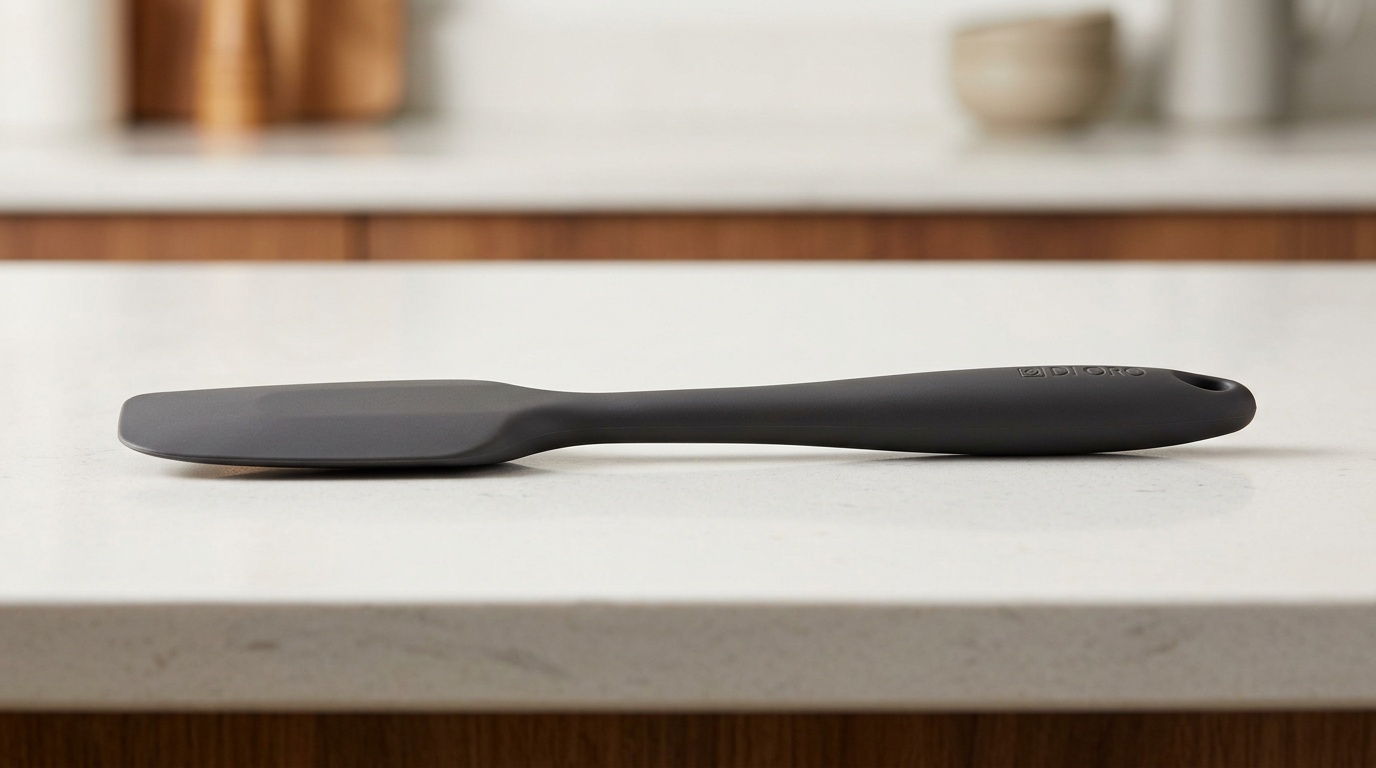
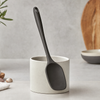
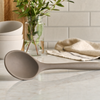
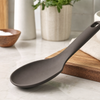
You've invested in safe pots. Now protect them with the right tools. The DI ORO Living Silicone Spatula Set features seamless, one-piece silicone that won't scratch your best non toxic cookware. BPA-free, LFGB-certified, heat-resistant to 600°F, and dishwasher safe.
These aren't just any spatulas. They're America's Test Kitchen winners, designed to protect the surfaces you've worked hard to keep safe.
Pro tip: A damaged spatula can ruin a perfectly good pan. Replace worn utensils before they damage your cookware.
Smart Shopping: Safe Cookware on Any Budget
Safe cookware doesn't require a trust fund. Think long-term value. A well-made piece lasting fifteen years costs less per use than cheap alternatives you'll replace every few years.
When shopping for best affordable non toxic cookware, look for independent testing certifications. These marks mean third-party verification of material safety. Not just marketing promises.
Building Your Safe Kitchen Arsenal
Start smart: buy versatile pieces instead of full sets. A quality stainless steel skillet and ceramic saucepan handle most cooking needs without the premium price tag. When hunting for the best non toxic cookware set, prioritize daily-use pieces over specialty items collecting dust.
Watch for seasonal sales from established manufacturers. Many offer significant discounts on ceramic cookware and stainless steel during holidays. Pro move? Sign up for newsletters from trusted brands to catch these deals.
Smart strategy: Mix and match materials based on your cooking style. The safest cooking pots often come from different manufacturers excelling in specific categories.
Where to Shop (and What to Avoid)
Stick with established retailers and manufacturer-direct websites. Those suspiciously cheap safest non stick cookware deals from random marketplace sellers? Often counterfeit products lacking the safety certifications they claim.
Legitimate brands proudly display certifications from recognized testing organizations. No documentation? Walk away.
Your Safe Kitchen Game Plan
Choosing the safest cooking pots boils down to understanding materials, matching cookware to your cooking style, and maintaining your investment. Whether you go with ceramic, stainless steel, cast iron, or glass, each offers distinct advantages when used correctly.
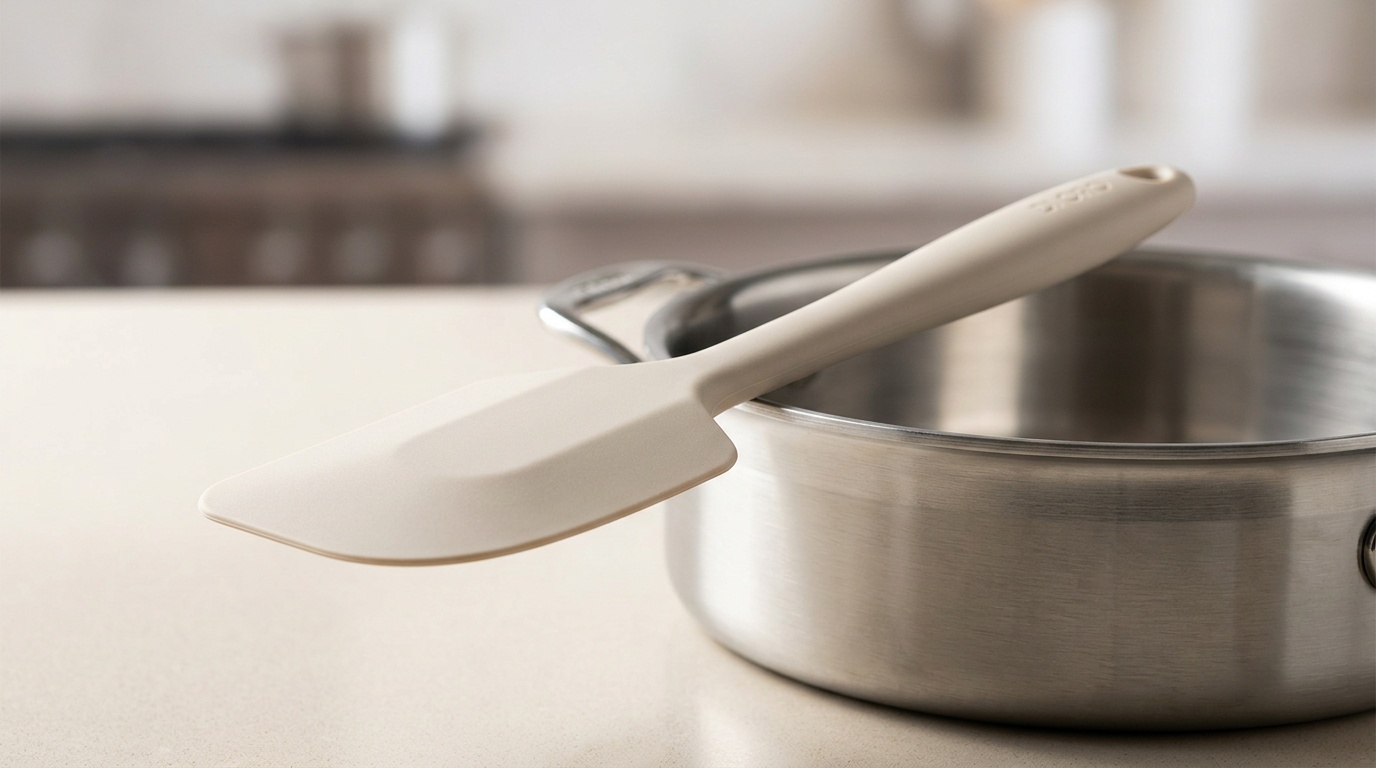
But remember. Safety extends beyond the pot itself. Pair your cookware with tools designed to protect those surfaces. The DI ORO Living Silicone Spatula Set's seamless design and BPA-free construction keeps your cookware scratch-free for years. Backed by the DI ORO Forever Warranty.
Cook boldly. Choose wisely. Your kitchen deserves tools that protect both your food and your health.
What's Next: The Future of Safer Cookware
Material science keeps pushing toward safer solutions. Plasma-spray ceramic technology creates durable surfaces without conventional coating compounds. Naturally derived ceramic formulations reduce reliance on synthetic components. These innovations promise better durability and more peace of mind.
Regulatory bodies worldwide are tightening cookware material standards. Expect clearer labeling and stricter testing protocols. These changes make identifying truly safe options easier for you.
Keep an eye on emerging technologies. Tomorrow's safest cooking pots may look completely different from today's options.
Frequently Asked Questions
What is the safest cookware for your health?
The safest cookware options are made from inert materials like ceramic, stainless steel, cast iron, and glass. These materials don't break down into harmful compounds during normal cooking and won't leach unwanted substances when heated or scratched. Quality stainless steel grades like 18/10 offer excellent corrosion resistance, while true ceramic cookware uses inorganic materials that don't release harmful fumes.
What kind of pots are not toxic?
Non-toxic pots are made from materials that remain stable under heat and don't release harmful chemicals into your food. Stainless steel, cast iron, ceramic, and glass cookware are all considered non-toxic options. Avoid conventional non-stick coatings that can degrade at moderate temperatures and release synthetic compounds when scratched or overheated.
Which is the most non-toxic cookware?
Glass and high-quality stainless steel are among the most non-toxic cookware options because they're completely inert materials. Glass doesn't react with food at all, while quality stainless steel grades maintain their integrity without leaching. True ceramic cookware also ranks highly for safety, provided it uses pure inorganic materials without synthetic coatings.
What is safer to cook with ceramic or stainless steel?
Both ceramic and stainless steel are safe cooking materials when you choose quality options. Stainless steel offers superior durability and heat resistance, while ceramic provides excellent non-stick properties without synthetic coatings. The key is selecting true ceramic cookware with inorganic materials and quality stainless steel grades like 18/10 for the best safety profile.
Which pans to stay away from?
Avoid conventional non-stick pans with synthetic coatings that can release harmful compounds when overheated or scratched. Stay away from cookware with unknown material compositions or suspiciously low prices from unverified sellers, as these often lack proper safety certifications. Any cookware showing signs of flaking, pitting, or coating damage should be replaced immediately.
How can I tell if my cookware is safe to use?
Look for independent testing certifications and check for any visible damage like scratches, chips, or discoloration. Quality safe cookware should have clear material specifications and come from established manufacturers with proper warranties. Replace any cookware showing signs of wear, as damaged surfaces can compromise food safety even with the safest materials.
Do I need to replace all my cookware at once to cook safely?
You don't need to replace everything immediately, but start with the pieces you use most often. Focus on versatile items like a quality stainless steel skillet and ceramic saucepan that cover most cooking needs. Gradually build your collection with safe materials, prioritizing daily-use pieces over specialty items that see less action in your kitchen.

Please upload banner from store admin blog pages