Basting Spoons Guide 2026: How to Choose & Use Like a Pro
Key Takeaways
- Basting spoons help achieve perfectly golden and moist roasts by redistributing flavorful pan juices.
- Using a proper basting spoon offers better precision and safety compared to regular table spoons.
- Basting spoons elevate home cooking to restaurant-quality results with even coverage.
- The right tool is often the secret behind a beautifully roasted dish, not just the recipe.
Table of Contents
The Home Chef's Guide to Basting Spoons: How to Choose, Use, and Love This Underrated Tool
Ever watched a perfectly golden turkey emerge from someone else's oven while yours looks pale and dry? The secret often isn't the recipe, it's the tool. Basting spoons transform ordinary roasts into restaurant-quality centerpieces by redistributing flavorful pan juices exactly where they're needed. Unlike makeshift table spoons that leave you wrestling with hot pans and uneven coverage, a proper basting spoon delivers precision, safety, and professional results every time.
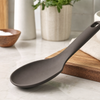
The best basting spoons combine thoughtful design with food-safe materials, offering the control and heat resistance that turn nerve-wracking holiday meals into confident culinary wins. Solid silicone spoons are especially popular for their durability and easy cleaning, while extra-large silicone spatulas can also help with basting larger cuts or spreading pan juices efficiently. From choosing the right bowl depth to mastering butter-basting techniques, this guide covers everything you need to elevate your cooking game.
Every home chef knows the frustration: you're roasting the perfect turkey or pan-searing a beautiful steak, and your regular spoon just isn't cutting it. Too shallow, too short, or worse, it melts under high heat. Enter the basting spoon, the unsung hero that transforms good cooks into confident ones. These specialized tools aren't just for Thanksgiving; they're your secret weapon for weeknight sheet pans, restaurant-style steak finishes, and any recipe where moisture, flavor, and that perfect golden finish matter.
Basting Spoons 101 – What They Are and Why They Matter for Home Cooks
What Is a Basting Spoon?
In 20 seconds: What makes a spoon a basting spoon?
A basting spoon features a deeper bowl (10-20ml capacity), longer handle (9-17 inches), and heat-resistant construction designed specifically for safely transferring hot liquids from pan to food surface.
A basting spoon is a specialized kitchen tool designed to collect and distribute hot pan juices, melted butter, or other cooking liquids over food surfaces. The bowl is deeper than a regular spoon, holding 2-4 teaspoons of liquid for efficient coverage. The handle extends 9-17 inches to keep hands safely away from heat sources, while the material, whether stainless steel, pro-grade silicone, or heat-treated wood, withstands temperatures up to 600°F or higher.
The finish matters too: smooth, non-porous surfaces prevent bacteria buildup and make cleaning effortless, while ergonomic grips reduce hand fatigue during extended cooking sessions.
What Is a Basting Spoon Used for in Cooking?
Basting spoons excel at four core tasks that elevate home cooking. For roasting meats, they distribute pan drippings every 20-30 minutes during cooking, essential for a 3-4 pound chicken or 12-18 pound turkey. Silicone spoon sets are ideal for pan-basting and let you bathe steaks in herb-infused butter for restaurant-quality results in your own kitchen.
Sheet-pan meals benefit from mid-cooking bastes that crisp edges and deepen flavors, while sauce drizzling adds professional polish to plated dishes. The controlled pour from a proper basting spoon means the difference between elegant sauce placement and kitchen chaos.
How Basting Works: Moisture, Flavor, and Browning
Basting works by creating a continuous cycle of fat and flavor compounds across food surfaces. Hot pan juices carry dissolved proteins, herbs, and aromatics that penetrate the outer layer while the fat promotes even browning through the Maillard reaction. Contrary to popular belief, basting doesn't "lock in moisture", it enhances surface flavor, improves texture, and creates that coveted golden appearance.
The technique works best on large roasts where surface area benefits from repeated flavor applications, poultry skin that crisps beautifully with fat circulation, and finishing steaks where butter-basting in the final minutes adds richness without overcooking. For smaller cuts or delicate fish, basting matters less since they cook quickly and can become oversaturated.
Basting Spoon vs Regular Spoon: What's the Difference?
Four key design differences separate basting spoons from regular spoons. Bowl depth increases liquid capacity from 1-2 teaspoons to 2-4 teaspoons, reducing trips to the pan. Handle length extends from 6-8 inches to 12-15 inches, keeping hands safely away from heat sources. Balance shifts weight toward the handle for better control when fully loaded, while heat resistance jumps from basic dishwasher-safe to oven-safe ratings up to 600°F.
Picture Thanksgiving morning: using a table spoon to baste an 18-pound turkey means constantly reaching into a 425°F oven with a short handle, struggling to collect enough drippings, and risking burns. A proper basting spoon lets you work confidently from a safe distance, gathering ample liquid in each scoop for thorough, even coverage.
For more on choosing utensils that withstand high temperatures, check out this guide to heat resistant silicone spoons for cooking.
Anatomy of a Great Basting Spoon (and Why Each Detail Matters)

The Bowl – Depth, Shape, and Capacity
The ideal basting spoon bowl holds 10-20ml (roughly 2-4 teaspoons) of liquid, enough for thorough coverage without waste or mess. Deeper bowls reduce the number of trips between pan and food, while shallow bowls offer more precise control for delicate work. Oval bowls navigate tight pan corners and work well with rectangular roasting pans, while round bowls are perfect for stirring and basting sauces.
Types of Basting Spoons and When to Use Each
Solid vs Slotted vs Perforated Basting Spoons
Solid spoons capture maximum liquid for classic basting with pan juices, melted butter, and deglazing sauces. Slotted spoons allow excess fat to drain back into the pan while retaining flavorful solids, perfect for basting vegetables or when you want flavor without heaviness. Perforated spoons offer the most precise draining and work well for delicate items that need gentle handling.
| Spoon Style | Best Use | Liquid Retention | Control Level |
|---|---|---|---|
| Solid | Pan juices, butter basting, deglazing | Maximum | Good for volume |
| Slotted | Vegetables, fat-conscious basting | Moderate | Excellent precision |
| Perforated | Delicate items, fine draining | Minimal | Maximum control |
Stainless Steel Basting Spoons
Stainless steel excels in high-heat situations, tolerating temperatures over 1000°F without degradation. These spoons work exceptionally well for searing and basting steaks, deglazing pans, and handling large roasts where durability matters most. The material conducts heat efficiently, helping you gauge the temperature of pan juices and sauces with confidence. For a versatile alternative, stainless steel kitchen tongs can also assist with turning and basting larger cuts of meat.
If you're interested in more creative ways to use basting spoons, you might enjoy this recipe for roasted asparagus that benefits from mid-cooking basting for extra flavor.
For a deeper dive into the science and history of basting, see this external resource on basting (cooking).
The Home Chef's Guide to Basting Spoons: How to Choose, Use, and Love This Underrated Tool
If you want to explore more kitchen essentials, browse our full range of kitchen utensils for every cooking need.
For additional tips on measuring and prepping ingredients, check out this article on stainless steel measuring spoons.
To learn more about safe cooking temperatures and food safety, consult this guide from the University of Maryland on cooking meat and poultry.
Frequently Asked Questions
What features should I look for when choosing the perfect basting spoon for home cooking?
Look for a basting spoon with a deep bowl to hold ample pan juices, a long handle for safe reach into hot pans, and a slightly angled design for precise pouring. Heat resistance and comfortable grip are key to making basting easy and mess-free.
How does a basting spoon improve the roasting process compared to using a regular table spoon?
A basting spoon offers better control and safety with its longer handle and deeper bowl, allowing you to evenly redistribute hot pan juices without splashing or burning yourself. This precision helps achieve a moist, golden roast that a regular spoon just can’t match.
What materials are best for basting spoons to ensure durability and heat resistance?
Pro-grade silicone is ideal for basting spoons because it’s heat-resistant, durable, and easy to clean. Look for BPA-free, forever-chemical-free silicone tools that can handle high temperatures without melting or warping.
Can basting spoons be used for cooking techniques beyond roasting, such as pan-basting steaks or drizzling sauces?
Absolutely. Basting spoons are versatile tools perfect for pan-basting steaks, drizzling sauces, or even spooning glazes. Their design offers control and precision, making them handy for a variety of cooking techniques beyond just roasting.

Please upload banner from store admin blog pages