Best Durable Food Storage Containers (2026 Guide)
durable food storage containers
Why Durability Matters in Food Storage Containers
The best durable food storage containers resist cracking, seal airtight, stack cleanly, and survive daily dishwasher cycles without warping or staining. For home cooks and commercial kitchens alike, durability isn't a bonus feature--it's the baseline.
What Cheap Containers Actually Cost You
Cracked lids. Mystery leaks in the fridge drawer. That one container that permanently smells like last Tuesday's chili. Cheap food storage fails in predictable ways: warped bases that won't stack, seals that lose grip after a month, plastic that stains the moment tomato sauce enters the picture. In high-volume kitchens, those failures multiply fast--and so does the frustration.
The Real Math on Buying Better
Replacing containers every few months adds up faster than most people realize. Durable food storage containers with lids that stay airtight reduce food waste, protect prep work, and keep kitchens organized without constant restocking. One well-built set outlasts three cheap ones. That's not a sales pitch--that's just arithmetic.
DI ORO's Take: No Weak Points, No Shortcuts
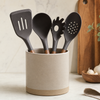
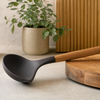
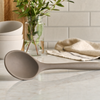
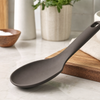
At DI ORO, we build tools around one principle: no shortcuts on materials, no weak points in the design. The Seamless Soup Ladle is a good example of that thinking in action. One-piece seamless silicone construction, an 18/10 stainless steel reinforced core, zero bacteria-trapping seams. It's the same philosophy great storage containers demand: certified materials, seamless where possible, and a build that holds up under real kitchen pressure--not just the first few uses.
Durable vs. Budget Containers
Pros of Durable Containers
- Airtight seals protect food longer
- Withstand repeated dishwasher cycles
- Resist staining and odor absorption
- Stackable designs save fridge and pantry space
- Lower long-term replacement cost
Trade-offs to Consider
- Higher upfront price per unit
- Heavier materials like glass add weight
- Fewer decorative color options in commercial-grade lines
DI ORO Insight: The Seamless Soup Ladle is built from US FDA and German LFGB certified silicone, heat resistant to 600°F, and backed by the DI ORO Forever Warranty. That same commitment to certified, chemical-free materials is exactly what you should demand from your food storage containers. What touches your food matters.
Top Materials for Durable Food Storage: Pros, Cons, and Best Picks

Plastic Isn't One Thing: PP, HDPE, and Polycarbonate
Not all plastic food storage containers are built the same. Polycarbonate offers excellent clarity and impact resistance but has largely fallen out of favor because of BPA concerns. Polypropylene (PP) is now the go-to for the best food storage containers for fridge use: lightweight, BPA-free, and dishwasher safe. Polyethylene (HDPE) dominates large commercial food storage containers for dry goods and bulk pantry storage, where chemical resistance and long-term durability matter more than transparency.
Glass and Stainless Steel: Built to Outlast Everything Else
Glass resists staining, absorbs zero odors, and moves safely from freezer to oven without complaint. Stainless steel thrives in commercial prep environments--no leaching, no warping, and it'll survive daily abuse that would destroy cheaper materials. Both carry a higher upfront cost and added weight. Neither degrades over time the way plastic eventually does. That's a meaningful difference if you're thinking long-term.
Why the Lid Makes or Breaks the Container
The lid is where most food storage containers with lids airtight claims live or die. Silicone gaskets maintain their seal through thousands of open-close cycles without cracking or compressing permanently--they flex to fit, grip under pressure, and don't absorb odors the way rubber does. At DI ORO, certified silicone is non-negotiable. The Seamless Soup Ladle uses US FDA and German LFGB certified silicone with zero BPA and no forever chemicals. That standard applies directly to what you should demand from any silicone seal touching your food.
Material Comparison at a Glance
| Material | Best Use | Dishwasher Safe | BPA-Free | Temperature Range |
|---|---|---|---|---|
| Polypropylene (PP) | Fridge, meal prep | Yes | Yes | Up to 250°F |
| HDPE | Pantry, bulk dry goods | Yes | Yes | Up to 248°F |
| Glass | Fridge, oven, freezer | Yes | N/A | Freezer to 450°F+ |
| Stainless Steel | Commercial prep, freezer | Yes | N/A | Freezer to 500°F+ |
| Silicone (certified) | Lids, seals, flexible bags | Yes | Yes | Up to 600°F |
DI ORO Insight: Certified silicone outperforms standard rubber gaskets on every durability metric that matters. When evaluating durable food storage containers, look for NSF certification on commercial-grade options and LFGB or FDA certification on any silicone components. Those certifications aren't marketing language--they're proof that materials have cleared independent safety standards.
For more detailed guidance on food storage safety and container conditions, the USDA provides a comprehensive Condition of Food Container Manual that covers inspection and maintenance practices to ensure container integrity over time.
Choosing the right container also means understanding what you're actually buying. The food safety experts at Iowa State University Extension break down how to select safe food storage containers--with solid guidance on health considerations and long-term durability worth reading before you spend a dollar.
Frequently Asked Questions
What food storage containers offer the longest lifespan?
For long-lasting food storage, materials like stainless steel and glass are excellent choices, as they do not degrade over time like some plastics can. High-quality polypropylene (PP) and HDPE plastics also offer significant durability for everyday kitchen use. The best durable food storage containers also feature certified silicone lids or seals that maintain an airtight grip through countless uses.
What are the healthiest materials for food storage containers?
When choosing food storage containers, prioritize materials that are certified and chemical-free. Polypropylene (PP) is a widely used BPA-free plastic for fridge storage. For lids and seals, certified silicone, like the US FDA and German LFGB approved silicone we use at DI ORO, ensures no unwanted chemicals touch your food. Glass and stainless steel are also excellent choices, known for their inert properties and resistance to leaching.
What should I look for in a reliable brand of food storage containers?
A reliable brand of food storage containers should prioritize materials that resist cracking, warping, and staining, ensuring airtight seals that protect your food. Look for certified materials, such as US FDA and German LFGB certified silicone for seals, and NSF certification for commercial-grade options. This commitment to quality, much like our philosophy at DI ORO, means your containers will stand up under real kitchen pressure and reduce replacement costs.
How do durable food storage containers help reduce food waste?
Durable food storage containers with lids that stay airtight are key to reducing food waste. They effectively protect prep work and leftovers from air exposure, which slows spoilage and keeps food fresher for longer. This means less food ends up in the bin, saving you money and making your kitchen more efficient.
Can durable food storage containers preserve food for many years, like 25 or 30?
While durable food storage containers significantly extend the freshness and quality of food for everyday use, preserving food for 25 or 30 years typically requires specialized long-term preservation methods beyond standard kitchen storage. Our focus at DI ORO is on providing tools and principles for daily culinary creativity, where containers that resist cracking, staining, and maintain airtight seals are essential for keeping ingredients fresh and organized.
What are the main benefits of investing in durable food storage over budget options?
Investing in durable food storage containers offers several benefits for the home chef. They provide airtight seals that protect food longer, withstand repeated dishwasher cycles without warping, and resist staining and odor absorption. While the upfront price might be higher, these containers offer lower long-term replacement costs and keep your fridge and pantry organized with reliable, stackable designs.
)
Please upload banner from store admin blog pages