Flexible Spatula Set: No Scratched Cookware
flexible spatula set that won't scratch cookware
A flexible spatula set that won't scratch cookware should combine a smooth silicone edge with enough support to lift food without folding. Check four details before buying: food-contact material, heat rating, construction, and care instructions. The right set protects coated pans while giving you control over pancakes, eggs, sauces, and roasted vegetables.
Key Takeaways
- You should look for a smooth silicone edge that provides enough support to lift food without bending.
- It is important to verify the food-contact material and heat rating before making a purchase.
- The proper construction and care instructions will ensure your coated pans remain safe from scratches.
- A quality set gives you better control when handling pancakes, eggs, sauces, and roasted vegetables.
For home chefs, a good utensil earns its drawer space. It should feel balanced, clean up easily, and handle real meals without melting handles or leaving rough edges behind.
What Makes a Flexible Spatula Set Safe for Nonstick Cookware?
A cookware-friendly set needs a smooth, flexible silicone edge and an internal core that keeps the head responsive. Silicone glides across coated surfaces, while reinforcement helps you slide beneath delicate eggs or heavier foods without the utensil collapsing. A rating up to 600°F also provides more heat headroom than many standard plastic or nylon tools.
Silicone vs. Plastic vs. Wood: Which Material Actually Protects Your Pans?
Silicone is a practical choice for coated cookware because it is pliable and less likely to gouge a surface than metal or a hard, damaged edge. It can bend around a skillet’s curve to reach beneath pancakes, omelets, fish, and sautéed vegetables. Plastic and nylon may work well at moderate temperatures, but heat can leave them rigid, rough, or misshapen. Wood is gentle, though its thicker edge is less precise for delicate foods and its porous surface requires more careful cleaning.
Construction matters as much as the material. A thin silicone coating can split away from a handle, creating seams that trap oil or batter. DI ORO uses pro-grade silicone that is BPA-free, FDA approved, LFGB certified, and free of forever chemicals. See the silicone spatula set collection for purpose-built options.
Heat Resistance Matters: Why 600°F Silicone Beats Standard Plastic
A utensil can encounter high heat while resting near a burner, pressing against a skillet, or stirring a thick sauce. CenturyLife’s silicone spatula testing reports that silicone tools can withstand temperatures up to 600°F, while nylon utensils may soften or melt above 400°F. Follow the care instructions and keep every utensil off active burners.
The Anatomy of a Well-Designed Spatula Set (No Drawer Clutter Allowed)

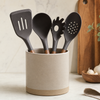
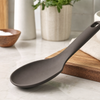
Each piece should handle a different job. A broad turner lifts burgers, pancakes, roasted vegetables, and tender fillets. A slimmer omelet spatula gives eggs room to move. A spoonula pairs a shallow bowl with a flexible edge for sauces, batters, frosting, and scraping a mixing bowl clean. Three useful shapes beat six near-duplicates.
How to Choose a Flexible Spatula Set That Won't Scratch Cookware
Start with the material, then inspect the edge and core. The set should list its food-contact standards, provide a heat rating suited to your cooking, and explain how to clean it. A smooth or unified design can also reduce gaps where food collects. Those details tell you more than a soft-looking product photo.
The Health-First Checklist: Avoiding Forever Chemicals and Microplastics
Because the utensil touches food and heat, look for specific material information rather than a broad “non-toxic” claim. DI ORO uses 100% BPA-free, FDA-approved, LFGB-certified food-grade silicone. These designations give shoppers concrete information about the silicone used in the tool. Related food-safety research can add context to your purchasing decision.
Run your fingers along the cooking edge before the first use. It should feel smooth and flexible, with no exposed metal, rough seam, or hardened section. A reinforced core should support the head without making it stiff. That balance helps the utensil slide under food while keeping pressure away from the pan’s coating.
Dishwasher Safe, Stain-Resistant, and Built to Last
Dishwasher-safe silicone makes cleanup easier after tomato sauce, curry, or chocolate frosting. Stain resistance helps the tool stay presentable between recipes, but care still matters: follow the manufacturer’s directions and don’t leave any utensil against an active burner. A little attention protects the tool. And your dinner.
Why DI ORO's Flexible Spatula Set Is an Award-Winning Choice
DI ORO designs silicone tools for home chefs who expect dependable performance and clear food-safety information. Its spatulas are shaped for everyday tasks, including flipping omelets, turning vegetables, and scraping bowls. A reinforced stainless steel core helps the head stay controlled under pressure, while pro-grade silicone remains gentle on coated cookware.
DI ORO also backs its kitchen tools with an industry-leading Forever Warranty. That combination of thoughtful construction, dishwasher-safe care, and long-term support reflects a simple belief: your utensils should be ready for the next ambitious recipe, too.
References
- PubMed food-safety research: https://pubmed.ncbi.nlm.nih.gov/18949881/
- Background on the spatula: https://en.wikipedia.org/wiki/Spatula
Frequently Asked Questions About Flexible Spatulas

Can silicone spatulas melt if left on a hot pan?
Food-grade silicone can tolerate high cooking temperatures, but no spatula should rest on an active burner or hot pan surface longer than necessary. Use the tool for stirring, turning, and lifting, then place it on a utensil rest between tasks.
How do I test if my spatula is truly non-scratch?
Start with a visual and touch check. The cooking edge should feel smooth, flexible, and free from exposed metal, rough seams, or hardened bits. During cooking, use light pressure and check the edge periodically for damage.
Is a flexible spatula set good for both baking and cooking?
Yes. A well-shaped silicone spatula can fold batter, scrape a mixing bowl, spread frosting, stir sauces, turn eggs, and lift tender foods from a skillet.
Frequently Asked Questions
What is the best spatula that won't scratch nonstick cookware?
The best spatula that won't scratch nonstick cookware is one made from food-grade silicone with a thin, flexible edge and a reinforced internal core. DI ORO's flexible spatula set uses pro-grade, BPA-free silicone that is FDA approved and LFGB certified, paired with a stainless steel core that holds its shape under everything from delicate eggs to heavier fillets.
Which is better, silicone or rubber spatulas for protecting pans?
Silicone spatulas outperform rubber and plastic options because silicone stays smooth and pliable even after repeated heat exposure, while rubber and nylon can become rigid, rough, or misshapen over time. A flexible spatula set that won't scratch cookware should also carry clear food-safety documentation rather than vague labels, which is why DI ORO uses certified food-grade silicone free of forever chemicals.
Can silicone spatulas melt if left on a hot pan?
Quality food-grade silicone spatulas will not melt under normal cooking conditions since they can withstand temperatures up to 600°F, well above typical stovetop heat. Standard nylon or plastic utensils may soften or melt above 400°F, making high-heat-rated silicone a far safer choice for stirring thick sauces or pressing against a hot skillet.
What is a flexible spatula called?
A flexible spatula goes by several names depending on its shape and function, including turner, flipper, omelet spatula, and spoonula. A well-designed flexible spatula set that won't scratch cookware typically includes a broad turner for pancakes and fillets, a slimmer omelet spatula for eggs, and a spoonula that combines a shallow bowl with a flexible edge for sauces and batters.
How do I choose a spatula set that won't scratch my cookware?
Choosing a flexible spatula set that won't scratch cookware starts with checking the food-contact material, heat rating, internal support, and construction quality before buying. Look for food-grade silicone with recognized certifications like FDA approval and LFGB certification, a reinforced core to prevent folding, smooth construction that leaves fewer gaps for food to collect, and dishwasher-safe care for easy cleanup.
What temperature should a nonstick-safe spatula withstand?
A nonstick-safe spatula should withstand at least 400°F, though premium silicone tools rated up to 600°F offer far more headroom for stovetop cooking. That extra heat tolerance matters because a spatula resting near a burner or pressing against a hot skillet can encounter intense temperatures that would cause standard nylon or plastic utensils to soften, warp, or melt.
Are silicone spatulas dishwasher safe and stain resistant?
Yes, quality silicone spatulas are both dishwasher safe and stain resistant, which simplifies cleanup after cooking with tomato sauce, curry, or chocolate frosting. A flexible spatula set that won't scratch cookware should still be cared for according to the manufacturer directions, including avoiding leaving any utensil against an active burner longer than necessary.

Please upload banner from store admin blog pages