Canning Water Bath vs Pressure Cooker: Which Wins?
canning water bath vs pressure cooker
Canning Water Bath vs Pressure Cooker: Which Wins?
Ever stared at a bumper crop of tomatoes and wondered which canning method will keep you out of the emergency room? You're not alone. The canning water bath vs pressure cooker debate trips up even seasoned home canners. Pick the wrong method and you're not just dealing with mushy pickles--you're risking dangerous bacterial growth. Let's cut through the confusion.
What Is Water Bath Canning and How Does It Work?
Water bath canning submerges sealed jars in boiling water (212°F at sea level) for a set time, creating a vacuum seal that locks out bacteria and mold. This straightforward method works for high-acid foods because acidity naturally stops Clostridium botulinum--the bacteria behind botulism--from multiplying.
The process? Simple. Sterilize your jars and lids. Fill jars with prepared food, leaving proper headspace (usually 1/2 inch). Wipe rims clean, apply lids, and tighten bands fingertip-tight. Lower jars into boiling water so at least 1 inch covers the tops. Process for your recipe's specified time, then remove and cool on a towel for 12 to 24 hours. That satisfying "ping" means success.
Best Foods for Water Bath Canning
Stick to high-acid foods: jams, jellies, pickles, salsas (from tested recipes), and most fruits. Tomatoes sit on the pH borderline, so always add bottled lemon juice or citric acid. Plain tomato sauce needs that acid boost to qualify for water bath safety.
Altitude Adjustments Matter
Live above 1,000 feet? Add processing time. At 3,001 to 6,000 feet, tack on 10 minutes for recipes calling for 20 minutes or less. Above 6,000 feet, add 15 minutes. Altitude affects boiling point--these adjustments aren't suggestions. They're insurance.
Pros
- Minimal equipment needed, often just a large stockpot
- Beginner-friendly with straightforward steps
- Great for jams, pickles, and acidic fruits
- No pressure monitoring required
Cons
- Limited to high-acid foods only
- Longer processing times than pressure methods
- Cannot safely preserve meats or low-acid vegetables
Understanding Pressure Canning: The Basics

Pressure canning cranks the heat to 240°F or higher by trapping steam inside a sealed vessel. This elevated temperature is the only home method that destroys botulism spores in low-acid foods like green beans, corn, and meat. Without it? You're gambling with food poisoning.
A pressure canner (not your everyday pressure cooker--though some modern electric models do both) uses a locking lid and weighted regulator or dial gauge to build 10 to 15 PSI. At sea level, 10 PSI raises the boiling point to about 240°F, penetrating dense foods and annihilating bacteria that shrug off boiling-water temperatures.
Essential Steps and Safety Precautions
Before processing, check your gauge for accuracy at a local extension office. Add 2 to 3 inches of water to the canner, load jars on the rack without crowding, and lock the lid. Heat on high until steam vents steadily, then vent for 10 full minutes to purge air pockets. Skip this step and you'll under-process your food.
After venting, place the weighted regulator on the vent pipe or close the petcock to build pressure. Once you hit your target PSI for your altitude, start timing and adjust heat to maintain steady pressure. When the timer ends, turn off heat and let pressure drop naturally. Never force-cool or pop the lid early--rushing breaks vacuum seals and cracks jars.
Foods That Require Pressure Canning
Any food with a pH above 4.6 needs pressure canning. That includes all meats, poultry, seafood, vegetables like green beans and corn, stocks, and soups. Even tomato sauce falls into a gray zone: plain crushed tomatoes may go water bath with added acid, but recipes with onions, peppers, or garlic often require pressure processing unless you acidify properly.
Water Bath vs Pressure Canning: Side-by-Side Comparison
Temperature, Time, and Equipment Differences
Choosing between canning water bath vs pressure cooker hinges on food acidity and required heat. Water bath canning tops out at 212°F--perfect for jams and pickles. Pressure canning hits 240°F--mandatory for green beans and chicken stock. Neither method wins the speed race: water bath jars might process in 10 minutes but take time to boil, while pressure canning includes venting and cool-down that stretches total time past an hour.
| Factor | Water Bath Canning | Pressure Canning |
|---|---|---|
| Max Temperature | 212°F at sea level | About 240°F at 10 PSI |
| Suitable Foods | High-acid: jams, pickles, acidified tomatoes | Low-acid: meats, vegetables, stocks |
| Equipment Cost | $20-$50 for a basic pot | $80-$300 for a dial-gauge or weighted-gauge canner |
| Processing Complexity | Simple: boil and time | Multi-step: vent, pressurize, cool naturally |
| Altitude Adjustment | Add minutes above 1,000 feet | Increase PSI above 1,000 feet |
When to Choose One Over the Other
Pick water bath canning for fruit preserves, tested-recipe salsas, and pickles. Choose pressure canning for anything savory and low-acid. Want to preserve garden vegetables or make shelf-stable bone broth? A pressure canner is non-negotiable. Trying to water-bath green beans wastes time and risks safety. Using pressure on strawberry jam? You'll end up with mush. Match the method to the food.
Safety First: Common Mistakes to Avoid in Home Canning

Risks of Using the Wrong Method
Water bath canning on low-acid foods can allow botulism toxin to form--silent, odorless, deadly. Pressure canning high-acid foods won't create that risk, but it'll turn berries to mush and waste energy. Follow USDA-tested recipes. Home pH testing doesn't replace tested processing times. For detailed guidance on canning water bath vs pressure cooker, check out this extension resource.
Stove Compatibility and Jar Placement Issues
Flat-bottom canners work on gas and electric coils, but some glass-top and induction cooktops may not support oversized bases or prolonged high heat. Check your stove manual before buying a 23-quart pressure canner. When loading jars, leave space between them so water or steam circulates. Stacking jars without a rack? That's asking for cracked glass.
Acidity, Headspace, and Proper Cooling
When a recipe calls for acidification (common with tomatoes), use bottled lemon juice or citric acid in the specified amount. After processing, let jars cool on a towel for 12 to 24 hours without tilting, tightening bands, or checking seals early. Disturbing hot jars breaks the vacuum. After cooling, press the center of the lid. A sealed lid stays down; a failed seal flexes. Refrigerate any jar that doesn't seal within 24 hours and use within a week.
Gear Up for Canning Success with Reliable Kitchen Tools
Must-Have Utensils for Prep and Handling
Beyond your canner, you'll need a jar lifter to move hot glass safely, a wide-mouth funnel to keep rims clean, and a bubble remover to release trapped air before sealing. A magnetic lid lifter helps you handle lids cleanly, and a sturdy ladle speeds filling. Choose tools that won't melt, bend, or shed material near boiling water and steam.
Why Quality Silicone Tools Make a Difference
Cheap plastic spatulas warp at canning temperatures and may leave residue in sauce or jam. Pro-grade silicone stands up to repeated heat exposure, and seamless designs prevent food from collecting in cracks. When you're scraping tomato paste from a pot or stirring hot fruit on the stove, a tool that stays rigid and clean makes prep smoother and safer.
DI ORO™ Recommendations for Canning Tasks
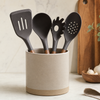
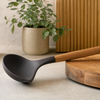
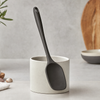
At DI ORO, we build tools for home cooks who refuse to compromise. Our seamless spatulas handle the heat and heavy lifting of canning prep. The large spatula folds fruit into sugar without bruising, scrapes pot bottoms clean, and stirs thick sauces without bending. Rated to 600°F and tested by America's Test Kitchen, it won't melt during marathon canning sessions. The spoonula excels at moving jam into jars and scraping every last bit from mixing bowls. Both are dishwasher-safe, BPA-free, and backed by our lifetime guarantee--because your tools should last as long as your preserved goods.
FAQ: Water Bath, Pressure Canners, and Pressure Cookers
Can you pressure can instead of water bath?
Can you pressure can instead of water bath for high-acid foods? Often yes, but only with a tested pressure-canning recipe for that specific food. Using extra pressure isn't automatically safer if the processing time and jar size haven't been tested for quality. For trusted tested recipes and detailed guidelines, see the National Center for Home Food Preservation.
How to can without a canner or pressure cooker?
If you're asking how to can without a canner or pressure cooker, stick to water bath canning for high-acid foods using a deep stockpot with a rack that keeps jars off the bottom. Low-acid foods still require a true pressure canner for safe home canning--there's no workaround.
Water bath vs steam canning: what's the difference?
Water bath vs steam canning comes down to heating medium: boiling water surrounds jars in a water bath, while steam canning uses steam in a covered vessel. Steam canning may work for some high-acid foods with tested recipes and processing times of 45 minutes or less, but always follow current, tested guidance for your specific recipe. Learn more about home canning practices on this Wikipedia page.
Bottom line on canning water bath vs pressure cooker
If you take one point from this canning water bath vs pressure cooker comparison, make it this: acidity decides the method. High-acid foods belong in a water bath; low-acid foods require a pressure canner. Period.
Final Take: Pick the Safe Method, Then Make It Delicious

When choosing between canning water bath vs pressure cooker, safety trumps convenience every time. Use water bath canning for high-acid recipes, break out a pressure canner for low-acid foods, and always follow tested processing times for your jar size and altitude. Keep a reliable spatula, funnel, and jar lifter within reach so you can focus on what matters: preserving summer's bounty and creating jars that'll make your future self very, very happy.
Frequently Asked Questions
Which canning method, water bath or pressure canning, is the right choice for my kitchen?
Choosing between water bath and pressure canning truly depends on the food you are preserving. Water bath canning is ideal for high-acid foods like jams, pickles, and most fruits, reaching temperatures up to 212°F. For low-acid foods such as meats, vegetables, and stocks, a pressure canner is non-negotiable, as it reaches higher temperatures, around 240°F, to safely destroy botulism spores. Matching the method to your food's acidity is the best way to ensure safety and delicious results.
What types of foods are unsafe to preserve using only a water bath canner?
Foods with a pH above 4.6, considered low-acid, cannot be safely preserved with water bath canning alone. This includes all meats, poultry, seafood, and most vegetables like green beans and corn. These foods require the higher temperatures achieved by a pressure canner to eliminate the risk of botulism spores. Always check your recipe and food acidity to pick the correct method for your culinary creations.
If I don't have a pressure canner, what are my options for preserving food?
Without a pressure canner, you are limited to preserving high-acid foods using the water bath method. This means you can safely make delicious jams, jellies, pickles, and acidified fruits. For any low-acid foods, like vegetables or meats, a pressure canner is the only safe home preservation method. Never substitute water bath canning for recipes that call for pressure canning, as it poses a serious safety risk.
Can I use a regular pressure cooker for canning my homemade goods?
While some modern electric pressure cookers have canning functions, traditional pressure cookers are not designed for safe canning. A true pressure canner uses a locking lid and a weighted regulator or dial gauge to build and maintain precise pressure, reaching temperatures of 240°F or higher. This consistent, high heat is essential for destroying botulism spores in low-acid foods, a level of safety a standard pressure cooker cannot reliably provide for canning.
How does living at a higher altitude impact my canning process?
Altitude significantly affects canning safety because it lowers the boiling point of water. For water bath canning, you must increase processing times when living above 1,000 feet to ensure adequate heat penetration. With pressure canning, you need to increase the PSI, pounds per square inch, to reach the required temperature for safe preservation. Always consult altitude adjustment charts for your specific elevation to keep your preserved foods safe and delicious.

Please upload banner from store admin blog pages