Consumer Reports on Reusable Keurig K-Cup Filters
consumer reports on reusable Keurig K-Cup filters
Consumer Reports on Reusable Keurig K-Cup Filters
What Consumer Reports Found About Reusable K-Cup Filters
Consumer Reports' original 2013 testing revealed something coffee lovers had suspected all along: reusable K-Cup filters save serious money. The average daily brewer could pocket $150 to $200 annually just by ditching disposable pods. Fast-forward to 2026? Those savings have exploded. Premium K-Cups now run $0.75 to $1.00 each. If you're brewing two cups daily, you're spending $547 to $730 every year.
A quality reusable filter costs $15 to $25. Ground coffee? About $0.15 per cup. Do the math: your annual coffee budget drops under $120. That's a difference worth waking up for.
What the Testing Actually Measured
The tests focused on three things: durability, brew quality, and how annoying these filters are to clean. Stainless steel mesh scored high for longevity and flavor extraction. BPA-free plastic models won points for being lighter and dishwasher-friendly. The big takeaway? Reusable filters matched or beat disposable pods when users nailed the grind size and filled baskets correctly.
The 2026 Numbers Tell a Bigger Story
| Brewing Method | Cost Per Cup | Annual Cost (2 cups/day) | 5-Year Total |
|---|---|---|---|
| Disposable K-Cups | $0.75-$1.00 | $547-730 | $2,735-3,650 |
| Reusable Filter + Ground Coffee | $0.15 | $110 | $550 |
| Net Savings with Reusable | $0.60-$0.85 | $437-620 | $2,185-3,100 |
The Landfill Problem Nobody Talks About
Americans toss roughly 10 billion K-Cups every year. Most land in dumps because of their mixed-material construction. One person switching to reusable eliminates 730 pods annually. That's real impact.
Want to level up your zero-waste game? Store pre-portioned coffee grounds in 10-Piece Reusable Snack Bags. Label them with grind type and date for grab-and-go mornings without measuring.
Quick Tip: Prep a week of coffee portions Sunday night. Stash them in DI ORO's reusable snack bags. No 6 AM measuring. Just brew and conquer.
Top Reusable K-Cup Filters We've Tested

Picking the right reusable filter comes down to what bugs you least: cleaning hassle, flavor clarity, or upfront cost. We ran leading models through daily brewing marathons to see what actually matters.
Keurig My K-Cup: The Official Option
Pros
- Works with all Keurig 2.0 and Plus models--no guessing
- Dishwasher-safe, no assembly, no headaches
- Wide basket fits coarser grinds without spilling
Cons
- Plastic can trap coffee oils over time
- Weaker extraction than stainless mesh competitors
- Pricier at $18 to $22
The official route removes compatibility drama. Its two-piece design makes filling and rinsing dead simple--perfect if you value convenience over extracting every nuance from your beans.
Stainless Steel: GoodCups Micro Mesh
Stainless steel delivers bolder, fuller-bodied coffee by letting more oils and fine particles through. GoodCups Micro Mesh uses double-layered 304-grade steel that won't corrode or hold onto flavors from yesterday's dark roast. The catch? Rinse these immediately after brewing--dried grounds in mesh are a pain. If you're after nuance and don't mind 30 extra seconds at the sink, the flavor upgrade pays off.
Budget-Friendly Plastic: Delibru and PureLine
Delibru and PureLine hit the sweet spot at $12 to $16 for multipacks. Both use BPA-free, food-grade plastic with fine mesh that balances extraction and cleanup. Delibru's taller basket holds up to 12 grams for stronger brews. PureLine's wider diameter plays nicer with medium-coarse grinds. These work for casual brewers who want savings without stainless steel investment. Pre-measure grounds into your 10-Piece Reusable Snack Bags to skip morning scooping and keep filters fresh between uses.
Will Your Keurig Accept a Reusable Filter?
Not every Keurig plays nice with third-party filters. Compatibility hinges on pod-recognition tech and basket clearance.
The Compatibility Breakdown
| Keurig Series | Direct Compatibility | Adapter Needed |
|---|---|---|
| K-Classic, K-Select, K-Compact | Yes (all third-party filters) | No |
| K-Elite, K-Café, K-Duo | Yes (official My K-Cup only) | Freedom Clip for third-party |
| K-Mini, K-Mini Plus | No | Not compatible |
| Keurig 2.0 (K200-K575) | Yes (My K-Cup Universal) | No |
DRM, Adapters, and Deal-Breakers
Keurig 2.0 machines scan pod lids for authorization. Third-party reusables need either the official My K-Cup Universal adapter or a Freedom Clip bypass sticker. The K-Mini series lacks vertical clearance for reusable baskets entirely. Check your model number (printed on the brewer's base) before buying.
Quick Compatibility Check
Find your model number on the bottom or back panel. K-Classic, K-Select, and original 1.0 series accept any reusable filter. K-Elite and K-Café owners should grab the official My K-Cup or add a Freedom Clip. K-Mini users? You're stuck with disposables or need a new brewer.
The Real Math: What You'll Actually Save
Numbers don't lie. Breaking down costs by brewing frequency shows exactly when your reusable filter pays for itself.
The Eight-Day Payback
Start with your daily cup count. Multiply by 365. At $0.85 per disposable K-Cup (2026 average), a three-cup habit costs $930 yearly. A $20 reusable filter plus $0.15 per cup in ground coffee drops that to $184 annually--a $746 savings. Your filter pays for itself in eight days. Everything after that? Pure profit.
What Your Household Actually Spends
| Daily Cups | Disposable Annual Cost | Reusable Annual Cost | Year-One Savings |
|---|---|---|---|
| 1 cup | $310 | $75 | $235 |
| 2 cups | $620 | $130 | $490 |
| 3 cups | $930 | $184 | $746 |
| 4 cups | $1,240 | $239 | $1,001 |
Two Brewers, One Budget Revelation
A household with two coffee drinkers (two cups each, daily) spends $1,240 on disposable pods annually. Switch to two reusable filters ($40 total) and bulk ground coffee? You're down to $239--saving over $1,000 in year one. Over five years, that's $5,000 redirected from landfill-bound plastic to... literally anything better.
Pro Move: Buy beans in bulk and grind weekly. Store portions in DI ORO's 10-Piece Reusable Snack Bags to lock in freshness and skip daily measuring. Label by roast or blend for variety without cabinet chaos.
How to Brew Better Coffee with Reusable Filters

Technique matters. Here's how to max out flavor and keep your filter running for years.
The Four-Step Brew
- Grind coffee to medium consistency--think table salt. Too fine clogs the mesh; too coarse weakens extraction.
- Fill to the indicated line (usually 10 to 12 grams). Overfilling causes overflow. Underfilling makes sad, weak coffee.
- Tap the filter on the counter to settle grounds evenly. This prevents channeling and supports uniform saturation.
- Insert, close the lid firmly, and brew at your preferred cup size. Start with 8 ounces for stronger results.
Keep It Running Forever
Rinse immediately after brewing while grounds are loose. Hold under running water and use a soft brush to clear mesh holes. Weekly deep clean: soak in equal parts white vinegar and water for 15 minutes, scrub, rinse. Stainless steel benefits from an occasional baking soda paste scrub to remove stubborn oils. Plastic models go on the dishwasher top rack.
Tools That Make Mornings Easier
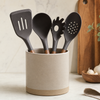
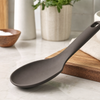
I'm Joe, DI ORO's Marketing Manager, and I'm all about small upgrades that feel like big wins. Our seamless spatulas and spoonulas (pro-grade, forever-chemical-free silicone tested to 600°F) work surprisingly well for coffee prep. The flexible edge scrapes grounds from bags and levels filter baskets without scratching mesh. It reaches into canister corners, cutting waste. Use a small spoonula to portion grounds into your filter, or transfer scoops into DI ORO's 10-Piece Reusable Snack Bags for quick, pre-measured mornings. Our silicone is BPA-free and LFGB-certified--built for repeat use and easy cleanup.
The bottom line? Reusable filters give you better control over flavor, less waste, and savings you'll see on every grocery receipt. If you're comparing options, prioritize fit with your Keurig model, mesh style, and how easy the basket rinses. Those details matter more than brand hype.
Consistent technique wins: right grind, level basket, quick rinse after brewing. Get those three things down, and you'll wonder why you waited so long to switch.
Note: This article discusses findings commonly cited in consumer testing and evaluations of reusable K-Cup filters. Always confirm fit and compatibility with your specific brewer model before purchasing. For insights on recycling these products, see recycling K-Cups.
Looking for more ways to save? Consumer Reports' detailed analysis covers K-Cup alternatives that will save you money.
Frequently Asked Questions
Do reusable K-Cup filters really work well?
Yes, reusable Keurig K-Cup filters absolutely work! Consumer Reports found they deliver coffee comparable to, or even better than, disposable pods when used correctly. They also offer significant cost savings and environmental benefits, which is a win for any home chef.
Are reusable Keurig K-Cup filters safe to use?
Yes, reusable Keurig K-Cup filters are considered safe for brewing your favorite coffee. Many models, like those made from BPA-free plastic or 304-grade stainless steel, are designed for food safety and durability. Choosing a quality reusable filter ensures you're brewing with materials you can trust.
How much money can I save with reusable K-Cup filters?
Switching to reusable Keurig K-Cup filters can save you a lot! Consumer Reports data from 2026 shows you could save between $437 and $620 each year compared to disposable pods. That's a significant amount for any home chef looking to brew smart.
What are the environmental benefits of using reusable K-Cup filters?
The environmental benefits are huge! By switching to a reusable K-Cup filter, you prevent 730 single-use pods from ending up in landfills each year. It's a simple step that makes a big difference for our planet, aligning with a thoughtful approach to cooking and living.
What types of reusable K-Cup filters are recommended?
The best reusable K-Cup filter depends on your preferences. Stainless steel mesh filters, like GoodCups, are great for longevity and a bolder flavor. BPA-free plastic options, such as Keurig My K-Cup or Delibru, offer convenience, dishwasher safety, and budget-friendly choices for everyday brewing.
Are reusable K-Cup filters compatible with all Keurig machines?
Not all Keurig machines are directly compatible with every reusable K-Cup filter. Older K-Classic and K-Select models work with most, while K-Elite and K-Café machines often need the official My K-Cup or a Freedom Clip. Unfortunately, K-Mini series brewers typically lack the space for reusable baskets.

Please upload banner from store admin blog pages