Cooking on Stove Top: Essential Guide for Home Chefs
cooking on stove top
Why Stovetop Cooking Beats the Oven for Everyday Meals
Your oven just turned your kitchen into a sauna. Again. When you're juggling dinner prep in July or racing against a 6 PM deadline, cooking on stove top delivers what your oven can't: speed without the sweat. One burner. One pan. Twenty minutes.
Keep Your Kitchen Cool During Summer
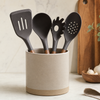
Stovetops concentrate heat where you need it--directly under your pan. Your oven? It radiates heat for 30+ minutes, spiking your AC bill and making meal prep miserable. A quick sauté keeps you comfortable while perfectly cooking proteins and vegetables. Pair with heat-resistant silicone tools like DI ORO's award-winning spatulas (tested to 600°F, BPA-free, and backed by America's Test Kitchen) to flip and stir without melted handles ruining dinner.
Save Time with One-Pot Simplicity
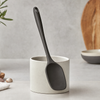
Stovetops cut your active cooking time in half. Temperature adjusts instantly--no opening doors or rotating pans. One skillet handles proteins, grains, and vegetables together. Fewer dishes. Faster cleanup. The Designer 3-Piece Everyday Spatula Turner Set includes three sizes for every task, from tight spaces to delicate flips. All dishwasher-safe. All backed by DI ORO's Forever Warranty.
Stretch Your Budget with Affordable Ingredients
Cheap meals without the oven rely on pantry staples: rice, beans, pasta, eggs, seasonal produce. That $10 chicken breast? Dice it, stir-fry it with frozen vegetables, and suddenly you're feeding four. Ground beef stretches further in skillets than meatloaf pans. Stovetops let you build flavor through browning and deglazing--turning budget cuts into dinners your family requests on repeat.
Quick Win: Start with three-ingredient recipes. Master sautéing onions, browning proteins, and simmering sauces before tackling advanced techniques. Your confidence will grow faster than your dinner rotation.
Master 5 Essential Stovetop Cooking Techniques

These five methods handle 90% of recipes. Learn them, and you'll stop second-guessing heat levels or timing.
Sautéing for Quick Veggie Sides
Sautéing uses medium-high heat and a small amount of fat to cook food quickly while preserving texture. Heat your pan for 60 seconds, add oil until it shimmers, then add vegetables in a single layer. Stir every 30 seconds with a silicone turner to prevent sticking. Bell peppers, zucchini, and green beans? Done in 4 to 6 minutes. The 18/10 stainless steel core in DI ORO spatulas won't bend when you need to scrape fond from the pan.
Stir-Frying Flavor-Packed Meals
High heat. Constant motion. Cut ingredients into uniform pieces for even cooking. Add aromatics (garlic, ginger) first for 15 seconds, then proteins for 2 to 3 minutes, followed by harder vegetables, then softer ones. Total time? Under 10 minutes. A heat-resistant spatula prevents burns when working at 500°F+ temperatures, and nonstick-safe edges protect your cookware investment.
Pan-Frying Juicy Proteins
Pan-frying creates golden crusts on chicken, pork chops, and fish. Pat proteins dry, season generously, and place in preheated oil without moving them for 3 to 4 minutes per side. Resist the urge to flip early--proteins release naturally when properly seared. A wide pancake spatula (4.3-inch blade) slides under delicate fish fillets without tearing, while BPA-free silicone keeps unwanted materials out of your food.
Simmering Hearty One-Pot Dinners
Simmering cooks food gently in liquid at 180 to 200°F--small bubbles, not a rolling boil. It's perfect for soups, stews, and braised meats that need time to tenderize. Brown proteins first, add liquid and aromatics, then reduce heat to low. Stir occasionally. One pot feeds six with minimal supervision.
Searing for Restaurant-Quality Results
Searing locks in moisture by creating a caramelized crust at high heat. Use a heavy pan, get it smoking hot, add oil, then add proteins. Don't touch them for 2 to 3 minutes. The Maillard reaction develops deep flavors impossible to achieve at lower temperatures. America's Test Kitchen recognized DI ORO's spatulas for their ability to handle these demanding techniques without compromising safety or performance.
Top Tools for Stovetop Success - No More Melted Handles
Your spatula just melted into your scrambled eggs. The handle you grabbed burned your palm. Cheap tools sabotage even simple recipes, but the right equipment transforms stovetop work from frustrating to effortless.
Heat-Resistant Silicone Spatulas and Turners
Professional-grade silicone withstands temperatures up to 600°F without degrading, melting, or releasing unwanted substances into your food. Look for 100% silicone construction (not just a coating over nylon) with stainless steel reinforcement for rigidity when scraping or flipping heavier proteins. BPA-free certification matters. LFGB certification from German testing labs sets the bar even higher. The Designer 3-Piece Everyday Spatula Turner Set includes three sizes for different tasks: a 9.5-inch cookie spatula for tight spaces, an 11.6-inch classic for everyday use, and an 11.2-inch pancake spatula with a 4.3-inch blade for delicate foods.
Why Nonstick-Safe Utensils Protect Your Pan Investment
Metal utensils scratch nonstick coatings, exposing metal underneath and reducing pan life. Silicone edges glide across surfaces without gouging, protecting your cookware while ensuring consistent results. Nonstick-safe tools also stop coating flakes from entering your meals. Every DI ORO spatula features a food-grade surface with a nonslip grip, staying comfortable during longer cooking sessions. Dishwasher-safe construction means cleanup takes seconds, not minutes of hand-scrubbing.
DI ORO's Award-Winning Picks from America's Test Kitchen
America's Test Kitchen named DI ORO the Best All-Purpose Silicone Spatula after testing 12 competitors. Testers praised the balance between flexibility for scraping bowl curves and rigidity for lifting heavier foods. The 18/10 stainless steel core prevents bending under pressure while the seamless silicone design reduces crevices that trap residue. DI ORO backs every spatula with a Forever Warranty covering the life of the product. You break it, we replace it. That simple.
| Technique | Best Spatula Size | Key Feature Needed |
|---|---|---|
| Sautéing vegetables | Classic (11.6-inch x 3-inch) | Flexible edge for scraping |
| Flipping proteins | Pancake (11.2-inch x 5.2-inch) | Wide blade for support |
| Stir-frying | Classic (11.6-inch x 3-inch) | Heat resistance to 600°F |
| Scraping fond | Cookie (9.5-inch x 2.75-inch) | Stainless steel core |
10 Quick Stovetop Recipes for Busy Home Cooks
These recipes prove you don't need fancy equipment or hours of prep to feed your family well. Each uses affordable ingredients and one pan.
One-Pot Chicken and Rice Under 30 Minutes
Brown diced chicken thighs in olive oil for 4 minutes, remove, then sauté diced onion and minced garlic for 2 minutes. Add 1.5 cups rice, 3 cups chicken broth, and return chicken to the pan. Simmer covered for 18 minutes. Stir in frozen peas during the last 3 minutes. Season with salt, pepper, and lemon juice. Use a heat-resistant spatula to scrape browned bits from the bottom before adding liquid--that's where the flavor lives.
Budget Beef Skillet for Family Dinners
Cook 1 pound ground beef over medium-high heat, breaking it apart with a spatula until no pink remains (about 6 minutes). Drain excess fat, add diced bell peppers and corn, then stir in cooked pasta and tomato sauce. Simmer 5 minutes until flavors meld. Top with shredded cheese after removing from heat. This cheap meal feeds six for under $12 and reheats beautifully for lunch leftovers.
Vegetarian Stir-Fry with Protein Swaps
Heat sesame oil until shimmering, add pressed tofu cubes or chickpeas, and cook without stirring for 3 minutes per side. Remove, then stir-fry snap peas, broccoli, and sliced carrots for 5 minutes. Return the protein, add soy sauce and ginger, and toss for 1 minute. Serve over rice. Swap proteins based on what's on sale: eggs, tempeh, or edamame work equally well.
Make-Ahead Summer Veggie Sauté
Sauté zucchini, yellow squash, cherry tomatoes, and corn kernels in butter for 8 minutes until tender but not mushy. Season with basil, garlic powder, and Parmesan. Make double batches when produce prices drop, then refrigerate for quick side dishes throughout the week. Reheat in 2 minutes on medium heat, stirring with a nonstick-safe spatula.
Meal Prep Tip: Cook proteins and grains separately on Sunday, then combine with fresh vegetables on weeknights. Your active cooking time drops to 10 minutes while maintaining flavor and nutrition. Store components in separate containers for maximum freshness.
Pro Tips to Avoid Common Stovetop Mistakes

Even experienced cooks burn garlic or end up with rubbery chicken when they skip these fundamentals. Small adjustments separate mediocre meals from memorable ones.
Perfect Heat Levels and Pan Matching
Match your burner size to your pan diameter. Oversized burners waste energy and create hot spots that burn food edges while leaving centers undercooked. Medium heat means different temperatures on gas versus electric stoves. Test by holding your hand 6 inches above the pan: if you can hold it there for 4 seconds, you're at medium. Cast iron needs 5 minutes to preheat. Stainless steel needs 2. Nonstick pans shouldn't exceed medium-high heat, and high-heat silicone tools rated to 600°F protect cookware while reducing scorched residue.
Oil Choices and Prep for Even Cooking
Different oils have different smoke points. Olive oil smokes around 375°F--poor for high-heat searing. Use avocado oil (about 520°F) or refined coconut oil (about 450°F) when stir-frying or pan-frying proteins. Always pat proteins dry before cooking. Surface moisture steams food instead of browning it, limiting caramelization. Cut vegetables into uniform sizes so everything finishes simultaneously. A 1-inch chicken cube cooks at a similar rate as a 1-inch pepper chunk, but mismatched sizes leave you with burnt edges and raw centers.
Cleaning and Maintenance for Long-Lasting Tools
Dishwasher-safe silicone tools simplify cleanup, but hand-washing extends their life. Avoid abrasive scrubbers that create microscopic scratches where residue collects. Store spatulas flat or hang them to prevent warping. Check stainless steel cores periodically for loosening, though quality construction like the 18/10 reinforcement in DI ORO spatulas prevents that issue. Replace any tool showing cracks, discoloration, or stickiness--signs of material breakdown that may transfer to your food. Pro-grade, BPA-free silicone holds up for years when cared for properly, which is why DI ORO backs every spatula with warranty coverage.
Temperature Control Mastery: Invest 10 minutes learning your stove's heat output. Boil water on each burner and time how long it takes to reach a rolling boil. Your fastest burner becomes your searing station; your slowest handles delicate sauces. This knowledge prevents countless failures.
Stovetop work transforms from daily chore to creative outlet when you understand technique, choose the right tools, and avoid common pitfalls. Start with one-pot meals using affordable ingredients. Master heat control for your specific equipment. Equip yourself with spatulas that won't melt or bend. Your next dinner is 20 minutes away.
Frequently Asked Questions
Should pan handles be facing in or out when on the stovetop?
For safety and ease of movement in your kitchen, pan handles should always face inward, over the stovetop. Just be sure they aren't directly over another active burner. This simple practice prevents accidental bumps and keeps handles out of reach from curious hands, making your cooking experience smoother and safer.
Is stovetop cooking difficult for beginners?
Absolutely not, stovetop cooking is incredibly approachable for anyone starting their culinary journey. Our article encourages beginning with simple recipes using just a few ingredients. By mastering basic techniques like sautéing onions or browning proteins, you'll quickly build confidence and expand your dinner rotation.
What is 350 degrees on a stovetop?
Unlike an oven, stovetop cooking relies on direct, immediate heat control rather than a fixed temperature like 350 degrees. You adjust your burner to achieve visual cues, such as oil shimmering for sautéing or small bubbles for simmering. This gives you instant command over your meal, allowing for precise adjustments as you cook.
What's it called when you cook something on the stove?
When you cook something on the stove, it's broadly referred to as "stovetop cooking." This umbrella term covers a variety of essential techniques, including sautéing for quick veggies, stir-frying for flavor-packed meals, pan-frying for juicy proteins, simmering hearty dinners, and searing for restaurant-quality results. Each method offers a fantastic way to create delicious dishes.
Which direction should you not face while cooking?
While the article highlights how stovetop cooking keeps your kitchen comfortable, maintaining full awareness of your cooking area is key. You should always face your stovetop directly to monitor your food and safely use your tools. This ensures you can react quickly, adjust heat, and handle everything from flipping with a DI ORO spatula to stirring a simmering sauce with confidence.
Why is stovetop cooking better than oven cooking for everyday meals?
Stovetop cooking truly shines for everyday meals by offering unmatched speed, control, and comfort. It concentrates heat directly under your pan, keeping your kitchen cool, especially during warmer months. Plus, many stovetop dishes are one-pot wonders, meaning fewer dishes and faster cleanup, which is a win for any busy home chef.

Please upload banner from store admin blog pages