Cookware Non Stick vs Stainless Steel: Ultimate 2026 Guide
cookware non stick vs stainless steel
# Non-Stick vs Stainless Steel Cookware: 2026 GuideStainless Steel vs. Non-Stick: Understanding the Core Differences
The cookware non stick vs stainless steel debate isn't about picking a winner--it's about understanding what each brings to your kitchen and when to reach for it. Stainless steel delivers serious heat tolerance and searing power. Non-stick offers that satisfying slide for delicate ingredients. Both have earned their place in professional and home kitchens, and each excels where the other struggles.
Heat Distribution and Cooking Performance
Stainless steel pans with aluminum or copper cores distribute heat evenly and hold onto it, making them perfect for high-temperature cooking. They develop fond--those flavorful brown bits that become the foundation of restaurant-quality pan sauces. Non-stick surfaces prioritize convenience over browning, working best at medium or lower temperatures where coatings stay stable and food releases with barely any fat.
Durability and Longevity
Quality stainless steel cookware lasts decades. Seriously--these pans can outlive your mortgage. They tolerate metal utensils, dishwashers, and oven temperatures that would wreck non-stick coatings. Non-stick pans typically need replacing every two to five years as coatings break down from heat and daily use, even with careful handling.
Safety and Food Reactivity
Stainless steel is nonreactive. Your tomato sauce won't pick up metallic flavors, and that splash of wine in your pan deglazes beautifully without weird taste interference. Modern non-stick cookware has improved dramatically in safety--older coatings containing PFOA raised legitimate health concerns, but today's PFOA-free options address many of those worries. That said, overheating any non-stick surface above manufacturer limits releases fumes you don't want in your kitchen.
| Feature | Stainless Steel | Non-Stick |
|---|---|---|
| Maximum Heat Tolerance | 500°F+ (often oven-safe) | 350-450°F (varies by coating) |
| Food Release | Requires proper preheating and fat | Easy release with minimal oil |
| Utensil Compatibility | Metal utensils safe | Requires silicone, wood, or nylon |
| Lifespan | Decades with proper care | 2-5 years on average |
| Dishwasher Safe | Yes | Hand-washing recommended |
When to Reach for Stainless Steel

High-Heat Cooking and Searing
Stainless steel thrives where non-stick fails. Period. Searing a ribeye or browning chicken thighs demands temperatures that would destroy most non-stick coatings. The cookware non stick vs stainless steel health conversation often misses this practical point: stainless steel lets you crank the heat without worrying about coating breakdown. That golden crust on your pork chops? Easier to nail with stainless.
Versatility Across Cooking Methods
Start a braise on the stovetop, then slide the entire pan into a 400°F oven. Stainless steel handles this move effortlessly. You can whisk directly in the pan, scrape up fond aggressively, and toss it in the dishwasher afterward. This durability makes stainless steel the workhorse for cooks who want one pan that covers multiple techniques.
Building Flavor Through Deglazing
Those caramelized bits stuck to your pan after searing? Flavor gold. Stainless steel encourages fond development, then releases it beautifully when you deglaze with wine, stock, or even water. Non-stick surfaces prevent sticking so well that they also limit the browning reactions that build depth in sauces and gravies. Can't have it both ways.
When Non-Stick Shines: Delicate Foods and Everyday Cooking
Effortless Release for Delicate Ingredients
Non-stick cookware earns its spot when you're working with foods that fall apart easily. Flaky fish fillets, thin crepes, and soft scrambled eggs release cleanly without tearing. The coating creates a barrier between food and metal, giving you confidence while your technique develops.
Low-Fat Cooking Without Sacrifice
Need to cut back on oil? Non-stick surfaces require only a light coating of fat, helping you reduce butter or oil usage without sacrificing performance. This matters for health-conscious cooks who want less cleanup and fewer stuck-on disasters.
Breakfast Favorites and Quick Meals
Pancakes, omelets, and hash browns were basically designed for non-stick pans. These breakfast staples cook fast and flip easily, keeping cleanup minimal. Quick weeknight stir-fries and one-pan dinners benefit from the same easy release. The trade-off? You'll need gentle tools--metal utensils scratch non-stick coatings, reducing performance and potentially introducing coating particles into your food.
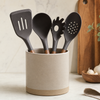
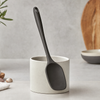
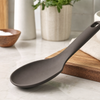
Protect Your Investment: Non-stick cookware works best with heat-resistant silicone tools that will not scratch the coating. DI ORO's pro-grade spatulas are heat-resistant to 600°F, BPA-free, and LFGB certified, helping keep cookware in good shape. Explore our Silicone Spoonula for an ideal utensil to use with your non-stick cookware.
Building Your Complete Cookware Arsenal: The Best of Both Worlds

Why Professional Cooks Use Both
Walk into most restaurant kitchens and you'll find both stainless steel and non-stick pans in active rotation. Professional cooks understand that cookware non stick vs stainless steel isn't an either-or decision. They reach for stainless steel when searing proteins or building pan sauces, then switch to non-stick for delicate fish or eggs. Non-stick surfaces excel at different tasks than their stainless counterparts.
Start Smart, Expand Strategically
Your cooking style determines where you start. If you're working on sauces, searing proteins, and building technique, invest in quality stainless steel first. If you cook eggs daily, want minimal cleanup, or you're building confidence with delicate ingredients, start with a solid non-stick pan. Most home chefs eventually land somewhere in the middle with both types ready to go.
Here's what matters more than the pan debate: the tools you use with your cookware. Protecting your investment--whether non-stick or stainless steel--starts with using heat-resistant silicone utensils instead of metal. Metal spatulas damage non-stick coatings and can mark even durable stainless steel over time, shortening your cookware's lifespan.
Your Cookware Is Only as Good as Your Tools
Non stick vs stainless steel vs ceramic? The comparison means less when you're using tools that scratch, chip, or damage your pans. Heat-resistant silicone tools work across all cookware types, protecting your investment while giving you the control you need. DI ORO's Designer 3-Piece Elite Spatula Turner Set features 100% silicone construction, heat resistance to 600°F, and BPA-free, LFGB-certified materials. These spatulas flip delicate fish, turn burgers, and fold crepes without scraping your pans--extending cookware life whether you're team stainless, team non-stick, or (smartly) both.
As you develop your skills, your cookware needs will evolve. A non-stick pan that once felt perfect for everything gives way to specialized pieces that excel at specific tasks. Stainless steel often becomes more appealing as you tackle recipes demanding precise heat control and pan sauce work. New coating technologies continue improving non-stick longevity, while stainless steel manufacturers refine heat distribution through better construction.
Build your kitchen thoughtfully. Start with essentials matching your real cooking habits. Pair quality cookware with tools that protect what you've invested in--and fit your health preferences. Whether you're weighing non stick vs stainless steel health concerns or calculating long-term costs, the best choice reflects what you cook, how you cook, and what matters most to you. Cook boldly. Protect smartly. Your pans will thank you.
Frequently Asked Questions
Which is better, nonstick or stainless steel cookware?
As a home chef, you'll find that neither non-stick nor stainless steel cookware is universally 'better,' but rather they each excel in different cooking scenarios. Stainless steel is perfect for high-heat searing and building rich flavors through fond, while non-stick is your go-to for delicate foods that need effortless release, like eggs or fish. It's about having the right tool for the job to truly cook with heart.
What is the healthiest type of cookware to use?
When considering the healthiest cookware, both modern non-stick and stainless steel options are safe choices for your kitchen. Stainless steel is nonreactive, so acidic foods won't pick up metallic flavors. Today's non-stick cookware is PFOA-free, addressing past health concerns, though it's always wise to use it at medium or lower temperatures to keep coatings stable and avoid overheating.
What are the downsides of stainless steel pans?
While stainless steel cookware is incredibly versatile and durable, it does require a bit more technique for perfect food release. You'll need proper preheating and a bit of fat to prevent sticking, especially compared to the effortless slide of non-stick surfaces. Also, while building fond is fantastic for flavor, some home chefs might find the cleanup a little more involved if they're not deglazing properly.
Why do chefs use stainless steel pans?
It's a common misconception that chefs *only* use stainless steel pans. While stainless steel is a workhorse in professional kitchens for its ability to handle high heat, sear beautifully, and create flavorful fond for sauces, non-stick also has its place for delicate items. Chefs choose stainless steel for its durability and versatility, allowing them to move pans from stovetop to oven and use metal utensils, making it ideal for many cooking methods.
Do chefs use non-stick or stainless steel cookware?
Professional chefs wisely use both non-stick and stainless steel cookware, understanding that each has unique strengths. They reach for stainless steel for high-heat cooking, searing meats, and deglazing to build deep flavors. For delicate tasks like cooking eggs, fish, or crepes, non-stick pans are invaluable for their easy food release and minimal need for added fat. It's all about selecting the right tool to achieve culinary perfection.
How long does non-stick cookware last compared to stainless steel?
Stainless steel cookware is a true long-term partner in your kitchen, often lasting for decades with proper care. Its durability allows it to withstand metal utensils, dishwashers, and high oven temperatures. Non-stick pans, on the other hand, typically need replacement every two to five years as their coatings naturally wear down from heat exposure and daily use, even when treated gently with silicone tools like DI ORO's pro-grade spatulas.

Please upload banner from store admin blog pages