Frozen Drinks Blender: The Ultimate Guide
frozen drinks blender
Beyond the Smoothie: What Actually Makes a Frozen Drinks Blender Different
A true frozen drinks blender handles dense ice loads without stalling, produces silky-smooth texture in seconds, and holds up to repeated heavy use. Standard smoothie blenders overheat or leave chunky ice behind. The difference comes down to three things working together: motor strength, blade geometry, and jar design.
What Exactly Makes a Blender "Frozen Drink Ready"?
Not every blender earns the title. A frozen-drink-capable machine starts at 1,000 watts minimum, pairs that power with hardened stainless blades angled to pull ice into the cutting zone, and uses a jar narrow enough at the base to keep ingredients moving. Underpowered blenders stall on full ice loads and burn out motors fast--often right in the middle of your margarita pitcher.
Beyond Ice Crushing: Key Features Worth Looking For
The DI ORO Advantage: Built for Your Boldest Blends
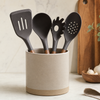
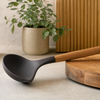
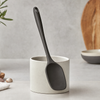
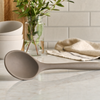
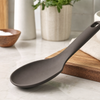
Great blending doesn't stop at the machine. Getting every last drop of your frozen masterpiece out of the jar requires the right tool. The DI ORO 2-Piece Seamless Blender Spatula + Jar Spatula Set is engineered specifically for blender jars--its flexible, curved head follows the contours of any jar without scratching. Pro-grade, 100% food-safe silicone means nothing unwanted ends up in your drink. Thick slushie bases, dense margarita mix, frozen fruit pulp? Zero waste. That's the idea.

The Art of the Blend: Ingredient Layering and Texture Secrets

The Foundation: Liquid First, Always
Loading order is the single biggest factor in smooth, even texture. Liquid goes in first--no exceptions. Whether you're making a classic frozen margarita or easy blender alcoholic drinks for a crowd, that liquid base protects your blades, creates the vortex that pulls ice downward, and prevents the air pockets that cause stalling.
Soft Ingredients: The Bridge Layer
After liquid, add soft ingredients: fresh fruit, yogurt, sherbet, or premixed cocktail bases. They act as a cushion between the liquid and the frozen components above, keeping everything moving once the motor engages. Skip this layer and you're asking your blender to work a lot harder than it needs to.
Frozen Ingredients: Ice and Fruit Strategy
Frozen ingredients go in last. For drinks to make with a blender non alcoholic, frozen fruit does double duty--it chills the drink and adds body without watering it down the way excess ice does. When using standard ice cubes, crush them first if your machine isn't rated as a cocktail blender with ice crusher capability. Smaller pieces reduce motor strain and blend faster.
Nailing the Texture Every Time
Pulse first, then blend on high. Short pulses break up large ice chunks before the full-speed run--it protects the motor and produces a consistently smooth pour. If the mixture climbs the jar walls without blending, stop and scrape down with your DI ORO 2-Piece Seamless Blender Spatula + Jar Spatula Set before restarting. Over-blending melts ice too quickly and turns your frozen drink into lukewarm slush. Aim for 30 to 45 seconds on high after pulsing, then serve immediately.
Blender Power and Blade Dynamics: What the Specs Actually Mean
Wattage: How Much Power Do You Actually Need?
For frozen blender drink recipes with heavy ice loads, 1,000 watts is the floor, not the goal. Home blenders in the 1,200 to 1,500-watt range handle full pitchers of frozen margaritas or daiquiris without thermal shutoff. Below that threshold, motors overheat fast under repeated use--a common complaint in underpowered machines marketed as "smoothie" blenders.
Blade Design: The Part Nobody Talks About Enough
Wattage without the right blade geometry delivers very little. Blades angled at varying heights create a multi-plane cutting action that pulls ice into the cutting zone continuously. Flat, single-plane blades push ice to the sides instead of processing it, leaving chunks no matter how powerful the motor. Hardened stainless steel holds its edge under repeated ice contact; cheaper alloys can dull within weeks of regular use.
Jar Material and Design: More Than Just a Container
Choosing the Right Jar
Tritan/BPA-Free Plastic
- Lightweight and shatter-resistant
- Handles acidic citrus mixers safely
- Better for high-volume entertaining
Glass Jars
- Heavy, especially when full of ice
- Can crack under thermal shock
- Not ideal for frozen drink volumes
Where DI ORO Fits Into Your Blender Setup
The best blender setup accounts for what happens after the motor stops. Thick frozen fruit pulp and dense slushie bases cling to jar walls, and standard spatulas can't reach the curved base without scratching. The DI ORO 2-Piece Seamless Blender Spatula + Jar Spatula Set is built with pro-grade, 100% food-safe silicone that flexes to fit any jar contour. Less left behind. Less mess. More drink in the glass.
Frozen Drink Masterclass: Troubleshooting and Recipes to Try Tonight
Common Frozen Drink Problems--and How to Fix Them
Even a great blender produces disappointing results when the approach is off. The three most common failures each have a straightforward fix:
- Chunky texture: Pulse longer before switching to high speed. Large ice pieces need breaking down before continuous blending begins.
- Watery result: Swap half your ice for frozen fruit. Frozen banana, mango, or strawberries add body and chill at the same time.
- Motor stall: Add liquid first, always. Without a liquid base, blades have nothing to pull ingredients into the cutting zone.
Why Your Blender Stalls (It's Usually Not the Motor)
Most stalling comes from air pockets, not weak motors. When frozen ingredients bridge across the jar above the blades, the motor spins freely while nothing blends. High-end machines solve this with a tamper. Without one, stop the blender, scrape the walls down with your DI ORO 2-Piece Seamless Blender Spatula + Jar Spatula Set, and restart on pulse. That curved, flexible head reaches the jar base without scratching--fast workflow, jar intact.
Three Frozen Blender Drink Recipes to Start With
These frozen drinks blender recipes work at any skill level:
- Classic Frozen Margarita: 2 oz tequila, 1 oz triple sec, 1 oz lime juice, 1 cup ice. Blend 40 seconds on high.
- Frozen Strawberry Lemonade (non-alcoholic): 1 cup frozen strawberries, 3 oz lemonade, 1/2 cup ice. Blend 30 seconds. Creamy, bright, and gone in minutes.
- Frozen Piña Colada: 2 oz rum, 2 oz coconut cream, 4 oz pineapple juice, 1 cup ice. One of the easiest crowd-pleasing blender drinks you can make--and it scales beautifully for a group.
Small Upgrades, Big Results
Once the fundamentals click, a few small tweaks make a real difference. Freeze your juice into cubes instead of using plain ice--flavor stays concentrated as it melts rather than diluting your drink. Rim your glass before blending so the drink goes straight from jar to table. Pre-chill your glasses in the freezer for 10 minutes beforehand to buy extra time before melting starts. And when every last drop matters, the DI ORO 2-Piece Seamless Blender Spatula + Jar Spatula Set gets it out cleanly--no scraping, no waste, no mess on the counter.
Frequently Asked Questions
Can you make a frozen drink in a blender?
Yes, you certainly can, and with the right blender, it's a culinary delight! A true frozen drinks blender is designed to handle dense ice loads and create silky-smooth textures, making it perfect for your favorite frozen concoctions. It uses specific motor strength, blade geometry, and jar design to achieve this.
Which blender is best for frozen drinks?
The best blender for frozen drinks needs at least 1,000 watts, with home blenders in the 1,200 to 1,500-watt range being ideal for full pitchers. Look for hardened stainless steel blades angled to pull ice into the cutting zone and a jar narrow at the base to keep ingredients moving. Variable speed control and a BPA-free jar for acidic mixers are also excellent features for crafting perfect frozen concoctions.
What is the best way to blend frozen fruit?
For blending frozen fruit, whether in a personal or larger blender, the key is sufficient power, ideally 1,000 watts or more, and specialized blade design. Hardened stainless steel blades that pull fruit into the cutting zone, paired with a jar that keeps ingredients circulating, will ensure a smooth, creamy texture every time. Using frozen fruit is a fantastic way to add body and chill without watering down your drink.
How do you blend a frozen drink for the best texture?
To blend a perfect frozen drink, always start with liquids first, then add soft ingredients like fruit or yogurt, and finally, your frozen components. Begin with short pulses to break up ice, then blend on high for 30 to 45 seconds until smooth. If ingredients climb the jar walls, simply scrape them down with a DI ORO Blender Spatula before continuing to ensure an even blend.
What's the best way to load ingredients for frozen drinks?
For that perfect, smooth texture, always layer your ingredients starting with liquids at the bottom. Next, add soft ingredients like fresh fruit or yogurt, which act as a cushion. Finally, place your frozen items, such as ice or frozen fruit, on top. This layering protects your blades and creates the necessary vortex for an even blend.
Are there special tools that make blending frozen drinks easier?
Absolutely! Beyond a powerful blender, a specialized spatula set designed for blender jars is a game-changer. Our DI ORO 2-Piece Seamless Blender Spatula + Jar Spatula Set, for example, features flexible, curved heads that effortlessly scrape every last drop of your frozen masterpiece from the jar without scratching. It's perfect for thick slushie bases and dense mixes, ensuring zero waste and a clean finish.

Please upload banner from store admin blog pages