The Ultimate Kitchen Tools List for Every Cook
kitchen tools list
Your Kitchen's Dream Team: Essential Tools for Every Home Chef
The best kitchen tools list includes spatulas, whisks, measuring tools, quality knives, and cutting boards. Focus on heat-resistant, non-toxic materials that won't scratch your cookware or compromise your food safety.
Beyond the Basics: What "Essential" Really Means
"Essential" doesn't mean expensive gadgets collecting dust in drawers. It means tools you grab daily. Tools that solve real cooking problems. And tools that perform without fail.
Think spatulas that won't melt mid-flip, whisks that actually incorporate air, and measuring cups that deliver precision every time.
The DI ORO Difference: Why Quality Tools Matter
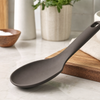
Cheap tools fail when you need them most. Our Omelette Spatula shows what thoughtful design looks like: a 100% silicone handle that resists heat up to 600°F, reinforced with an 18/10 stainless steel core, and made from BPA-free, FDA-approved materials. When America's Test Kitchen recognizes your spatulas as award winners, quality isn't negotiable.
Pro Tip
Forever chemicals can hide in many kitchen tools. DI ORO's pro-grade silicone is free of PFOA, PFOS, and other harmful compounds because what touches your food matters.
Start Smart: Categorizing Your Kitchen Toolkit
Smart cooks organize their kitchen tools list into three categories: daily workhorses (spatulas, whisks, knives), problem solvers (heat-resistant handles, comfortable grips), and specialty additions (cuisine-specific tools).
Start with workhorses. Add problem solvers. Then expand strategically.
The Everyday Workhorses: Tools You'll Reach for Daily

Spatulas & Turners: More Than Just Flipping
Great spatulas do more than flip pancakes. They scrape bowls clean, fold delicate batters, and spread frosting without scratching surfaces.
The key? Finding tools that stay rigid under pressure but gentle on cookware. Look for reinforced cores that won't bend when lifting heavier foods, paired with silicone edges that protect nonstick coatings.
The Mighty Whisk: Aeration and Emulsification
Whisks incorporate air into cream and help bind oil with vinegar. Wire count matters: fewer wires work well with heavier batters, while more wires suit delicate foams. Balloon whisks excel at whipping. Flat whisks work better in shallow pans.
Choose stainless steel wires that won't rust or bend after repeated use.
| Tool Type | Primary Use | Key Feature | Material Priority |
|---|---|---|---|
| Spatula | Flipping, scraping, folding | Heat resistance up to 600°F | Pro-grade silicone with steel core |
| Whisk | Mixing, aerating, emulsifying | Wire flexibility and count | Stainless steel wires, comfortable grip |
| Measuring Tools | Accurate ingredient portions | Clear markings, nested storage | BPA-free plastic or stainless steel |
| Chef's Knife | Chopping, dicing, slicing | Sharp edge retention | High-carbon stainless steel blade |
Measuring Cups & Spoons: Precision for Perfection
Baking demands accuracy. Measuring tools deliver consistency.
Dry measuring cups should have flat rims for leveling, while liquid measures need clear spouts and easy-to-read markings. Nested sets save space, but individual pieces often provide better accuracy. Stainless steel resists staining and won't absorb odors like some plastic options.
Knives & Cutting Boards: Your Prep Powerhouses
A sharp chef's knife makes cooking enjoyable instead of frustrating. Eight-inch blades handle most tasks, from mincing herbs to breaking down whole chickens.
Pair knives with cutting boards that protect blade edges: wood and bamboo stay gentle on steel, while plastic boards offer easy sanitizing. Color-coded boards help prevent cross-contamination between proteins and produce.
Solving Kitchen Frustrations: Tools That Make Life Easier
The Scratch-Free Solution: Protecting Your Cookware
Metal utensils can damage nonstick surfaces and shorten the life of good pans. Silicone-edged tools glide across coatings without scraping, helping cookware last longer.
Quality silicone stays flexible at high temperatures while remaining firm enough for everyday cooking tasks.
Heat-Resistant Heroes: No More Melted Handles
Plastic handles can soften at the worst times, leaving residue and derailing dinner. Our silicone handles withstand temperatures up to 600°F without softening or releasing fumes.
This means you can stir sauces directly in hot pans and flip foods on high-heat skillets without worrying about handle failure.
Safety First
Some kitchen tools contain chemicals that can leach into food when heated. DI ORO's pro-grade silicone is LFGB certified and free of PFOA, PFOS, and other harmful compounds.
Ergonomic Excellence: Comfort and Control in Your Hand
Poorly designed handles can cause fatigue and reduce precision during longer cooking sessions. Comfortable grips distribute pressure more evenly and reduce strain on wrists and fingers.
Non-slip surfaces help maintain control, even with wet or greasy hands.
The Multi-Taskers: Tools That Do More with Less
Smart cooks choose versatile tools that handle multiple jobs efficiently. A quality spatula flips, scrapes, spreads, and folds without requiring constant utensil swaps.
Measuring cups can double as mixing vessels for small batches. Sharp knives can handle everything from delicate herbs to tougher root vegetables.
Fewer tools mean less clutter and faster cleanup.
Building Your Culinary Arsenal: Beyond the Absolute Essentials
Specialty Tools for Specific Cuisines & Techniques
Once your basic kitchen utensils list is complete, consider cuisine-specific additions. Asian cooking often benefits from woks and bamboo steamers. Italian dishes may call for a pasta machine and a zester for fresh cheese.
French techniques can benefit from a mandoline slicer and an immersion blender.
Buy specialty tools only after you've learned the techniques they support.
The Art of the Gadget: When to Invest and When to Skip
Gadgets promise convenience but often deliver clutter. Invest in tools you use weekly, and skip single-purpose items that your core set can handle.
Electric can openers can take up counter space when a manual version works well. Garlic presses can feel convenient until you realize a knife can mince garlic quickly and clean up more easily.
Caring for Your Tools: Longevity and Performance
Quality tools reward proper care with years of service. Wash knives soon after use and store them in a block or on a magnetic strip. Silicone tools, including spatulas, are dishwasher safe; a gentler cycle can help keep them looking new.
Oil wooden cutting boards monthly to reduce cracking. Sharp tools are typically safer than dull ones, so plan for regular sharpening.
Pros
- Quality tools can last for years with proper care
- Heat-resistant materials help reduce replacement costs
- Multi-use designs help reduce kitchen clutter
- Better tools can improve consistency and results
Cons
- Higher upfront cost than cheaper alternatives
- Learning curve for proper maintenance
- Temptation to buy specialty gadgets that rarely get used
Building the right kitchen tools list takes time and experience. Start with daily workhorses that solve real problems. Prioritize safety and durability over flashy extras. Expand based on your cooking habits.
Quality tools can turn cooking into a more enjoyable, creative part of your day.
Frequently Asked Questions
What kitchen tools should every home chef have?
For any home chef, a core kitchen tools list includes high-quality spatulas, versatile whisks, precise measuring tools, sharp knives, and reliable cutting boards. These are your daily workhorses, designed to solve common cooking problems and perform consistently. We believe in tools that you'll reach for every day, making your culinary journey smoother and more enjoyable.
Can you list the most important kitchen tools and their uses?
Absolutely! Spatulas are for flipping, scraping, and folding, while whisks aerate and emulsify ingredients. Measuring cups and spoons ensure accuracy, especially for baking, and a sharp chef's knife paired with a good cutting board makes prep work a pleasure. These foundational tools are designed to handle a wide range of cooking tasks, helping you create delicious meals with confidence.
Why is quality important when choosing kitchen tools?
Quality matters because cheap tools often fail when you need them most, leading to frustration and wasted ingredients. Well-designed tools, like our Omelette Spatula with its 100% silicone handle and stainless steel core, resist heat up to 600°F and perform without fail. Investing in quality means your tools are reliable, safe, and built to last, supporting your culinary passion for years to come.
What materials are best for essential kitchen tools?
When building your kitchen tools list, prioritize heat-resistant, non-toxic materials that protect your cookware and food safety. Pro-grade silicone with a reinforced steel core is excellent for spatulas and turners, offering flexibility and durability without scratching surfaces. For whisks, measuring tools, and knives, high-carbon stainless steel is a fantastic choice for its strength, precision, and resistance to rust.
How can I protect my cookware with the right kitchen tools?
Protecting your cookware starts with choosing tools that are gentle on surfaces. Metal utensils can damage nonstick coatings, shortening the life of your favorite pans. Opt for silicone-edged tools that glide across surfaces without scratching, ensuring your cookware stays in great condition. Our tools are designed with this in mind, helping your kitchen investments last longer.
Are there any specific DI ORO tools that are great kitchen essentials?
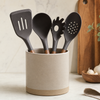
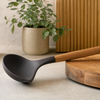
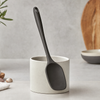
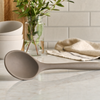
Absolutely! Our Designer 2-Piece Essential Spatula Turner Set, currently on sale for $27.97 from $32.97, is a fantastic starting point for any kitchen essentials list. The 2-Piece Silicone Spoon Set, available in black, red, and stone for $24.97, also offers versatility and durability. These tools are crafted to meet the demands of passionate home chefs, making daily cooking a joy.
How do I organize my kitchen tools effectively?
Smart cooks organize their kitchen tools list into three categories: daily workhorses, problem solvers, and specialty additions. Start by ensuring you have your essential workhorses like spatulas and knives readily accessible. Then, add problem solvers, such as tools with heat-resistant handles or comfortable grips, before expanding with cuisine-specific specialty items. This approach keeps your kitchen clutter-free and efficient.

Please upload banner from store admin blog pages