Kitchen Tools List Guide: What You Really Need
kitchen tools list guide
Your Kitchen's Dream Team: The Essential Tools Every Home Chef Needs
Ever opened your kitchen drawer and faced a jumbled mess of gadgets you never use? You're not alone. The secret to a functional kitchen isn't having every tool imaginable. It's having the right ones that actually work. This kitchen tools list guide cuts through the clutter to show you what you truly need to cook with confidence.
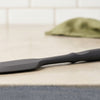
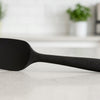
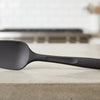
Your essential kitchen toolkit needs just 15-20 quality tools: sharp knives, cutting boards, measuring cups, mixing bowls, and heat-resistant spatulas like DI ORO's Omelette Spatula. Focus on materials that won't melt, scratch your pans, or harbor bacteria. Quality beats quantity every time.
What Makes a Tool Worth Your Counter Space?
Smart kitchen tools fall into four camps: prep tools (knives, boards, bowls), cooking tools (spatulas, tongs, whisks), measuring tools (cups, spoons, scales), and serving tools (ladles, serving spoons). The best ones? They multitask without breaking a sweat.
The Foundation: Your Must-Have Prep Powerhouses
Start with a sharp chef's knife. Your kitchen MVP. Add a paring knife and two cutting boards (one for proteins, one for produce). Toss in nested mixing bowls, measuring cups, and measuring spoons. These tools handle 80% of your prep work.
Skip the gadgets that do one job poorly. A quality tool that handles three jobs well? That's what we're after.
Heat Heroes: Tools That Won't Melt Under Pressure
Your stovetop demands tools that can take the heat. Literally. The DI ORO Omelette Spatula laughs at 600°F temperatures thanks to its pro-grade silicone construction and reinforced stainless steel core. No more melted spatula disasters.
Round out your heat team with silicone-tipped tongs, a whisk, and a wooden spoon. These cover flipping, stirring, whisking, and serving without scratching your precious cookware.
Baking Precision: Where Measuring Matters Most

Baking is chemistry, not art. Your soufflé won't forgive a "pinch of this, splash of that" approach like stovetop cooking will. You need measuring cups that mean business, mixing tools with backbone, and spatulas that can fold without deflating your masterpiece.
Start with nested measuring cups and spoons, a large mixing bowl, and a reliable whisk. That same Omelette Spatula moonlights beautifully as a baking tool. Its thin, flexible edge slides under cookies without breaking them, and it handles hot pans like a champ.
Get Your Numbers Right
Invest in both dry and liquid measuring tools. Flour measurements can swing wildly depending on how you scoop. A kitchen scale eliminates guesswork and turns baking from prayer to precision.
The Grand Finale: Serving Tools That Showcase Your Skills
You've cooked. You've conquered. Now don't fumble the handoff. Your serving tools should move food gracefully while keeping everything looking Instagram-ready.
A slotted spoon drains excess liquid, serving tongs provide control without poking holes, and the right spatula keeps portions intact. The Omelette Spatula's seamless design prevents bacteria buildup in crevices, while its comfortable grip gives you steady control for restaurant-style plating.
When You Want to Show Off
Think about your entertaining style. A carving knife and fork set handles holiday roasts, while a sharp-edged pie server cuts clean slices every time. Salad servers, soup ladles, and pasta forks solve specific serving challenges that basic utensils can't touch.
Material Girl (or Guy): Why What It's Made Of Matters
Your kitchen tools are only as good as what they're made from. Cheap plastic melts. Flimsy metal warps. Quality materials cost more upfront but save you from the frustration of repeated replacements.
Material Safety Alert
What touches your food matters. DI ORO's pro-grade silicone is BPA-free, FDA approved, and LFGB certified. Because your health isn't negotiable.
Silicone rocks for heat resistance and cookware protection. Stainless steel adds strength. Wood and bamboo bring natural antimicrobial properties but need more TLC. The common thread? Quality materials perform better and last longer.
Comfort Zone: Tools That Feel Right
Ever finished chopping onions with cramped hands? Poorly designed tools punish you during extended use. Look for balanced weight, grippy handles, and sizes that fit your hands. Your wrists will thank you.
Reinforced cores resist bending under pressure while maintaining flexibility where you need it. Seamless construction eliminates weak points that fail under stress.
Clean Sweep: Why Seamless Design Wins
Bacteria love hiding in crevices and joints. Seamless tools give germs nowhere to lurk, making cleanup simpler and more thorough. Dishwasher-safe options save time and support deep cleaning.
Building Your Arsenal: Smart Shopping Strategies

Smart cooks build their kitchen arsenal around actual cooking habits, not flashy infomercials. Start with versatile workhorses that handle multiple tasks. Add specialized tools only after you've identified specific needs.
The 80/20 Rule for Kitchen Tools
You'll use 20% of your tools 80% of the time. Focus your budget on these workhorses: a quality spatula, sharp knife, cutting board, mixing bowls, and measuring tools.
Avoid gadget addiction by asking: "What three things will I use this for?" Single-purpose tools rarely earn their drawer space unless you use them weekly.
Kitchen Starter Pack: Your First 10 Must-Haves
New cooks need reliability over variety. Start with a chef's knife, cutting board, mixing bowls, measuring cups, wooden spoon, can opener, vegetable peeler, and a heat-resistant spatula.
One excellent spatula beats five cheap ones that melt or scratch your pans. Invest in tools that grow with your skills instead of requiring replacement as you improve.
Level Up: Advanced Tools for Serious Cooks
Ready to expand? Add a mandoline for consistent slicing, a kitchen scale for baking precision, and a probe thermometer for perfect doneness. Each addition should solve a real problem you face regularly.
Choose tools that complement your existing collection. A quality whisk opens up sauce-making possibilities, while proper tongs make grilling and sautéing safer and more controlled.
Built to Last: The DI ORO Difference
There's a difference between buying tools and making investments. DI ORO tools are built for the long haul. Pro-grade silicone construction, 600°F heat resistance, and materials that protect both your food and cookware.
Our Forever Warranty isn't marketing fluff. It's our promise to stand behind what we make. If you're building a kitchen you can count on, choose tools that show up for both Tuesday night dinners and holiday showstoppers.
Quality kitchen tools make cooking feel easier and more rewarding. They respond predictably, hold up to real use, and support your technique development with confidence. Your culinary creativity deserves tools that match your ambition.
Frequently Asked Questions
Why is choosing quality kitchen tools important for home chefs?
Investing in quality kitchen tools means you get tools that perform reliably, protect your cookware, and last longer. It means cooking with confidence, knowing your tools won't melt or scratch your favorite pans, saving you from constant replacements. Quality materials like DI ORO's pro-grade silicone are designed to withstand daily use without compromise.
What are the main categories of kitchen tools for a functional kitchen?
Kitchen tools generally fall into prep, cooking, measuring, and serving categories. Prep tools like knives and cutting boards get you started, while cooking tools such as spatulas and tongs handle the heat. Measuring tools ensure precision, and serving tools help present your creations beautifully.
Which materials should I look for when buying kitchen tools?
Prioritize materials like pro-grade silicone, which offers excellent heat resistance and protects your cookware, and stainless steel for durability. DI ORO's silicone is BPA-free, FDA approved, and LFGB certified, ensuring food safety. Wood and bamboo are also good choices for their natural properties.
How does ergonomic design benefit a home chef's experience?
Ergonomic design means tools feel comfortable and balanced in your hand, reducing fatigue during longer cooking sessions. Features like grippy handles and balanced weight distribution prevent slipping and accidents. This thoughtful design allows you to maintain control and cook with greater ease.
What makes kitchen tools easy to clean and hygienic?
Seamless construction is key for hygienic kitchen tools, as it eliminates crevices where bacteria can hide. Tools like the DI ORO Omelette Spatula, with its seamless silicone design, are easy to clean thoroughly. Dishwasher-safe options further simplify cleanup, ensuring your tools are always ready for your next culinary adventure.
How many essential kitchen tools does a home chef truly need?
A functional kitchen toolkit doesn't require dozens of gadgets; you truly need just 15-20 quality tools. Focus on versatile workhorses like sharp knives, cutting boards, measuring cups, mixing bowls, and heat-resistant spatulas. These core items will handle most of your cooking tasks with confidence and ease.