Silicone Cooking Utensil Tips: DI ORO Guide
silicone cooking utensils tips
Why Silicone Tools Are Your Kitchen's Secret Weapon
Here's what every home chef needs to know: professional kitchens choose silicone for three unbeatable reasons. Heat resistance up to 600°F means no more melted spatula disasters. Non-reactive surfaces protect your nonstick pans from scratches. And that perfect flexibility? It scrapes every last bit of sauce from your bowls.
But here's the catch. Not all silicone is created equal. You want BPA-free, LFGB-certified silicone with a stainless steel core that won't bend under pressure.
The DI ORO Difference: Pro-Grade Silicone You Can Trust
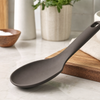
The Silicone Spoonula features US FDA- and German LFGB-certified silicone with an 18/10 stainless steel reinforced core. This award-winning design earned recognition from America's Test Kitchen because professional-grade materials make everyday cooking safer and more enjoyable.
How Silicone Outperforms the Competition
| Feature | Silicone | Plastic | Wood |
|---|---|---|---|
| Heat Resistance | Up to 600°F | May soften or melt around 250°F (varies by plastic) | Can burn or char |
| Nonstick Safe | Will not scratch | May scratch coatings (varies by plastic) | May wear surfaces over time |
| Dishwasher Use | Often dishwasher safe (check the product directions) | May warp or crack | Often hand-wash recommended |
| Bacteria Resistance | Non-porous surface | May trap residue in scratches | Can absorb moisture and odors |
Real Kitchen Problems, Real Solutions
Ever watched a plastic spatula melt into your scrambled eggs? We've all been there. Quality silicone tools handle high-heat searing without compromising what touches your food. The flexible edges conform to pan curves, making it easy to scrape up fond and sauces. When shopping, consider comfort, weight, and grip. Your hands will thank you during those marathon holiday cooking sessions.
The "Bake It Clean" Care Guide: Keep Your Tools Like New
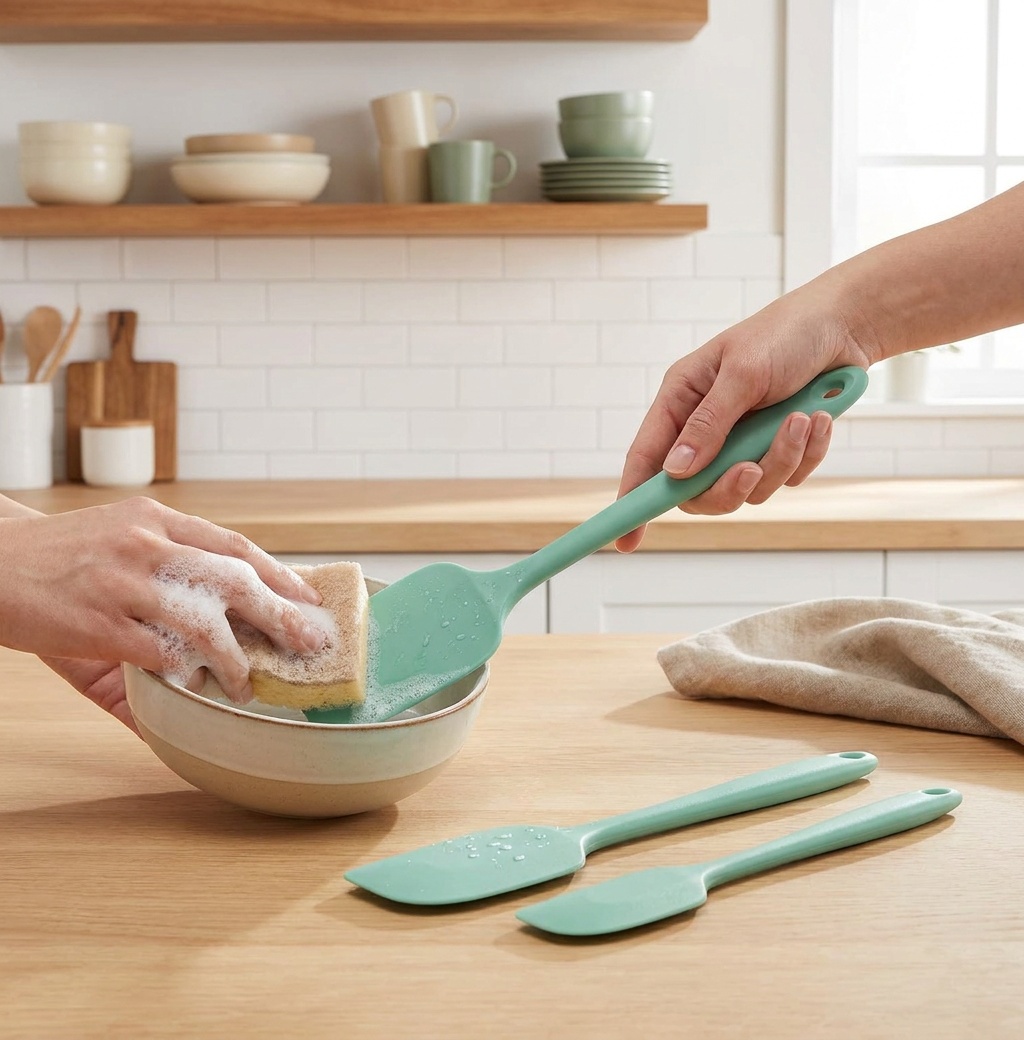
Daily Maintenance Made Simple
Warm, soapy water handles most messes. Use a soft sponge. No harsh scrubbing needed. Stubborn bits? Let your tools soak for 10 minutes before washing. Rinse thoroughly and air-dry completely to prevent water spots. Dishwasher safe tools go on the top rack, but hand-washing often extends their lifespan.
The Odor Eraser: "Baking" Away Garlic and Onion Smells
Garlic and onion odors clinging to your tools? Here's a pro trick: place clean, dry silicone utensils on a baking sheet and heat them at 350°F for 10 minutes. This heat treatment releases stubborn odor compounds. Let them cool completely before handling. Works like magic.
Tackling Tough Stains
For stubborn stains, make a paste with baking soda and water. Apply, wait 30 minutes, then scrub gently with a soft brush. Grease buildup calls for degreasing dish soap. White vinegar tackles mineral deposits from hard water. Match your cleaning method to the mess. No need for aggressive scrubbing.
Smart Storage: Keeping Your Tools in Shape
Store silicone tools flat in drawers or hang them on hooks to maintain their shape. Avoid cramming them into tight spaces where they'll bend. Keep sharp objects separate to prevent accidental cuts. Good storage preserves those thin, flexible edges that make silicone tools so effective.
Safety First: What You Need to Know About Silicone
Decoding "Forever-Chemical Free"
"Forever chemicals" (PFAS) stick around in the environment for decades. When brands use "forever-chemical free," they're signaling that PFAS compounds aren't intentionally added. Since wording varies by manufacturer, look for clear certifications and testing documentation.
Food-Grade Certifications That Actually Matter
LFGB certification from Germany sets strict standards for food-contact materials, evaluating migration and purity. BPA-free means no bisphenol A. FDA-compliant materials meet US food contact requirements. Look for brands that back these claims with credible testing. Not just marketing speak.
Safety Insight: Pro-grade silicone gets tested for material migration at elevated temperatures. Focus on recognized certifications and clear manufacturer support rather than flashy marketing language.
Why Manufacturing Standards Matter
Manufacturing standards and material sourcing affect consistency. Facilities with documented quality systems maintain tighter controls over inputs and production. Traceability helps manufacturers verify silicone composition from raw materials through finished products. When a brand explains its quality checks in plain language, that's a good sign.
Common Concerns: Leaching and Heavy Metals
Quality silicone is designed for safe food contact within its rated temperature range. Contamination concerns usually trace back to poor manufacturing controls, not silicone itself. Certification testing includes migration checks where materials are heated and analyzed for transfer into food simulants. Focus on certifications and reputable sourcing. That's your best protection.
Pro Techniques: Master Your Silicone Tools
Nailing the Perfect Flip
Slide the spatula fully under your food before lifting. That flexible edge should conform to the pan curve and support the entire surface. Use quick, confident motions to prevent breaking. For delicate items like fish or pancakes, angle the spatula slightly upward to create a gentle ramp. The omelette spatula excels at this delicate work.
Fond Scraping Like a Pro
Fond. Those beautiful browned bits on your pan bottom. Adds incredible flavor to sauces. Use firm, steady pressure with the spatula edge, working in consistent strokes. Silicone is gentle on nonstick coatings while loosening those precious browned proteins and sugars. Add liquid gradually while scraping to deglaze. The seamless long spatula gives you excellent reach and control.
Design Details That Make a Difference
Handle length affects control during flipping and stirring. A well-sized handle provides reach without feeling unwieldy. Reinforced cores reduce bending under pressure while keeping just enough flex at the edge. Balanced weight prevents wrist strain during longer cooking sessions. The seamless series utensils nail these ergonomic principles.
Choosing the Right Tool for the Job
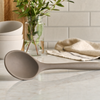
Spoonulas excel at stirring, scraping, and serving when you need both scooping and spreading abilities. Flat spatulas handle flipping and turning. Curved edges work beautifully in round-bottom pans and mixing bowls. Match the tool to your food: delicate items benefit from thinner edges, while denser foods need a firmer feel. For soups, the seamless soup ladle offers perfect capacity and control.
Frequently Asked Questions
What are the disadvantages of silicone cooking utensils?
While high-quality silicone cooking utensils are fantastic, some lower-grade options might absorb odors or stains over time. Storing them improperly can also lead to creasing. Choosing certified, pro-grade silicone, like our DI ORO tools, and following proper care helps avoid these minor issues, ensuring your tools stay in top shape.
Does silicone release microplastics when heated?
Quality silicone cooking utensils, especially those with certifications like LFGB and FDA compliance, are designed to be stable and non-reactive at high temperatures, up to 600°F. This means they do not release microplastics or harmful compounds into your food. Always look for reputable brands that provide clear testing and documentation for peace of mind in your kitchen.
Does silicone release toxins when cooking?
When you choose certified food-grade silicone cooking utensils, like those from DI ORO, you can cook with confidence. These tools are rigorously tested for material migration at elevated temperatures to ensure no harmful substances transfer to your food. Focusing on products that are BPA-free and LFGB-certified helps ensure a safe cooking experience for you and your family.
Why do silicone kitchen utensils get sticky?
If your silicone kitchen utensils feel sticky, it is often due to a buildup of grease or food residue that wasn't fully removed during washing. To fix this, try soaking them in warm, soapy water for about 10 minutes before scrubbing gently with a soft sponge. For tougher grease, a degreasing dish soap works wonders to restore that smooth, clean feel.
Do chefs use silicone utensils?
Absolutely, many professional chefs rely on silicone cooking utensils in their kitchens. They appreciate silicone's high heat resistance, non-reactive nature that protects nonstick cookware, and its flexibility for scraping bowls clean. Pro-grade silicone tools are a secret weapon for making everyday cooking both easier and safer, proving their worth in demanding culinary environments.

Please upload banner from store admin blog pages