Silicone Cooking Utensils Guide 2026: DI ORO
silicone cooking utensils guide
The Complete Silicone Cooking Utensils Guide: Why Pro Chefs Are Making the Switch
Beyond the Basics: Why Silicone Utensils Are Your Kitchen's New Best Friend
The Melting Point: A Common Kitchen Frustration Solved
We've all been there. You're searing that perfect steak when your plastic spatula decides to become one with the pan. Traditional utensils warp, bend, and melt when things heat up. This silicone cooking utensils guide reveals the upgrade your kitchen deserves.
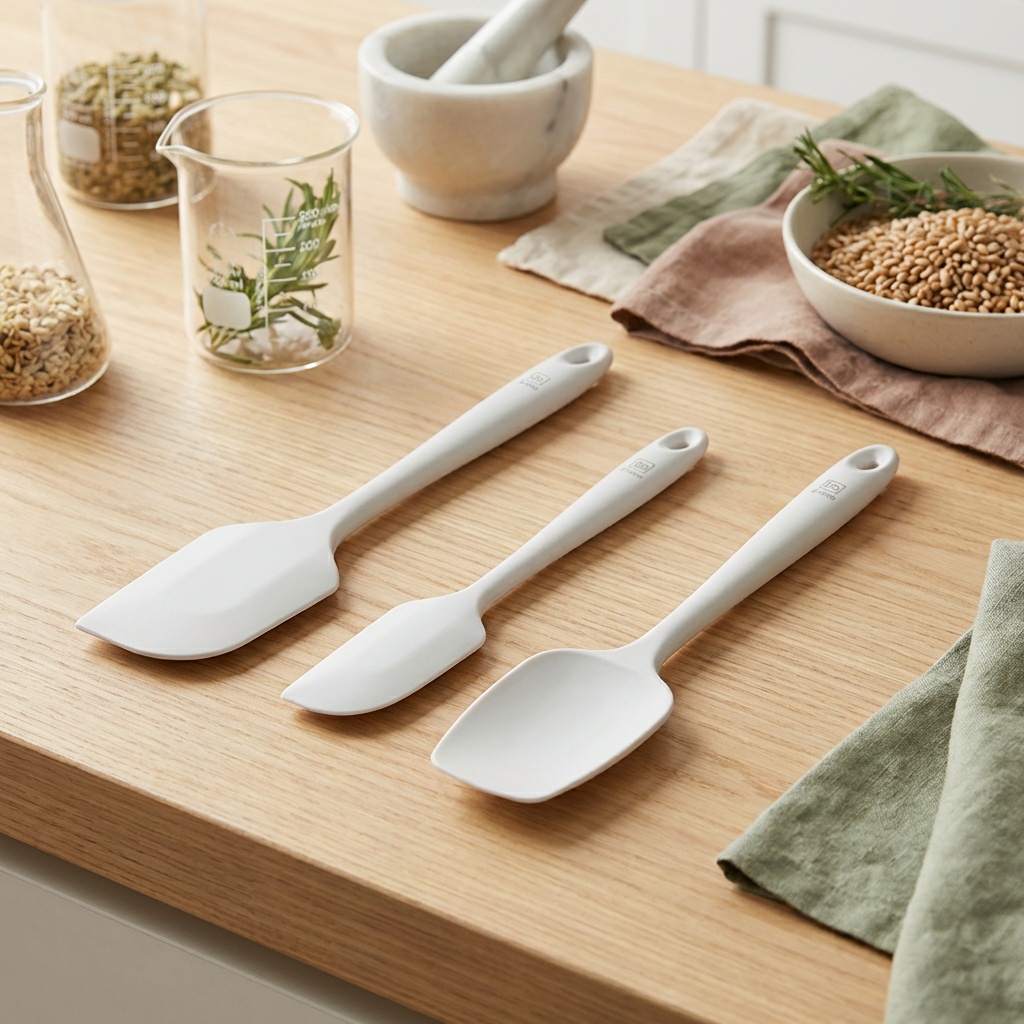
Silicone tools laugh at temperatures up to 600°F, putting an end to melted gadgets mid-recipe. The Silicone Spoonula proves this point with pro-grade, BPA-free construction that protects your cookware and your sanity.
Scratch-Free Results: Protecting Your Precious Cookware
Metal tools are cookware killers. They gouge nonstick surfaces and destroy expensive pans in months. Not silicone.
Flexible silicone glides without scratching, extending your cookware's lifespan by years. It bends to follow curves, scrapes sauce from corners, and never leaves a mark. Your pans will thank you.
Flexibility and Control: Mastering Every Stir and Flip
Rigid utensils force you to fight your ingredients. Silicone works with you, not against you. It bends where needed, scrapes where metal can't, and bounces back after every use.
The reinforced stainless steel core inside DI ORO tools adds muscle without sacrificing flex. You get confident control from the first flip to the final scrape.
The DI ORO Difference: Pro-Grade Silicone for Home Chefs
Not all silicone is created equal. Some companies cut corners with cheap materials that can contain unwanted additives. DI ORO doesn't play that game.
We use premium materials certified BPA-free and LFGB-approved, so nothing harmful touches your food. Our Seamless Series removes hidden crevices where bacteria love to hide, making cleanup simple and your kitchen safer.
Award-Winning Quality You Can Trust
America's Test Kitchen, Cook's Illustrated, and Food Network don't hand out awards to just anyone. They've recognized DI ORO products because our tools perform when it matters. Our Seamless Spatula earned top honors as their best all-purpose choice.
Break it? We replace it. That's the DI ORO Forever Warranty promise, covering defects or damage indefinitely.
Decoding Silicone Safety: What "Food-Grade" Really Means
The PFAS Question: What You Need to Know
PFAS (forever chemicals) are making headlines for all the wrong reasons. Some kitchen products contain these compounds, which don't break down naturally and can accumulate over time.
The good news? Quality silicone utensils don't need PFAS to perform. Reading labels and choosing certified materials gives you peace of mind about what's touching your food.
BPA-Free and LFGB Certified: The DI ORO Standard
Look for both BPA-free and LFGB certification when shopping for silicone kitchen tools. BPA-free alone doesn't tell the whole story. LFGB certification. A German standard that's among the world's strictest. Confirms materials can handle demanding conditions without leaching unwanted compounds.
Heat Resistance Ratings: Understanding the Numbers
Heat ratings aren't just marketing speak. Budget silicone often warps above 400°F, while pro-grade options like DI ORO stay strong up to 600°F. That 200-degree difference matters when you're searing steaks or making caramel.
Always check that your tool's rating matches how you cook. No one wants a spatula that melts during Sunday brunch.
How to Spot Quality Silicone: A Buyer's Checklist
- Check for LFGB or FDA food-grade certification
- Verify BPA-free labeling
- Confirm heat resistance exceeds 500°F
- Inspect for seamless construction without seams or gaps
- Look for stainless steel reinforcement in stirring tools
Silicone vs. Other Materials: A Head-to-Head Kitchen Comparison
Silicone vs. Wood: The Classic Debate
Wood has charm. There's something satisfying about a well-worn wooden spoon that's stirred a thousand meals. But wood has drawbacks. It absorbs flavors, harbors bacteria in its grain, and eventually cracks.
Silicone offers the best of both worlds. It's gentle like wood but won't hold onto last night's garlic or split down the middle after six months of use. Both materials have their place, but silicone wins for busy cooks who want low-maintenance performance.
Silicone vs. Metal: Durability and Your Nonstick Pans
Metal tools are tanks. They last forever and can handle any job. The problem? They're murder on nonstick coatings.
Silicone protects your investment while still getting the job done. A steel core inside many silicone tools provides the strength you need for heavy stirring without the surface damage.
| Material | Heat Resistance | Pan Safety | Maintenance | Lifespan |
|---|---|---|---|---|
| Pro-Grade Silicone | Up to 600°F | Nonstick safe | Dishwasher safe (varies by brand) | Long-lasting with proper care |
| Wood | Limited | Pan safe | Hand washing is common | Varies by use and care |
| Metal | Excellent | Can scratch coatings | Dishwasher safe (varies by finish) | Long-lasting |
| Nylon/Plastic | Often below 400°F | Varies | Dishwasher safe (varies by brand) | Varies |
When to Reach for Each Material
Best Uses for Silicone
- Nonstick cookware protection
- High-heat cooking techniques
- Scraping bowls and pans clean
- Stirring acidic sauces
- Very high sous vide temperatures (verify the tool's rating first)
- Direct contact with an open flame
Your Silicone Utensil Arsenal: Tools for Everyday Kitchen Tasks
The All-Star Spatula: Flipping, Scraping, and Spreading
A good spatula is like a reliable friend. Always there when you need it. Look for generous surface area, reinforced construction, and seamless design. DI ORO's Seamless Spatula handles everything from delicate crepes to hefty burger patties with steady control.
The Mighty Spoonula: Stirring and Serving
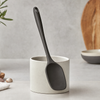
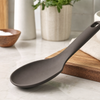
The spoonula is the Swiss Army knife of kitchen tools. It combines a spatula's scraping power with a spoon's scooping ability. The DI ORO Spoonula scrapes jars completely clean while working perfectly for soups, sauces, and desserts. No more waste, no more frustration.
The Precise Turner: Delicate Fish to Pancakes
Slotted turners are lifesavers for delicate foods. They drain excess liquid while supporting fragile items like fish fillets or stuffed mushrooms. Thin leading edges slide beneath delicate foods without breaking them, while flexible construction protects nonstick surfaces.
The Versatile Whisk: Aerating Sauces to Beating Eggs
Wire whisks and nonstick pans don't mix. Silicone-wrapped whisks solve this problem by combining gentle pan contact with effective mixing power. They resist staining from turmeric and other strong ingredients while being easier to clean than traditional whisks.
Caring for Your Utensils: Making Them Last
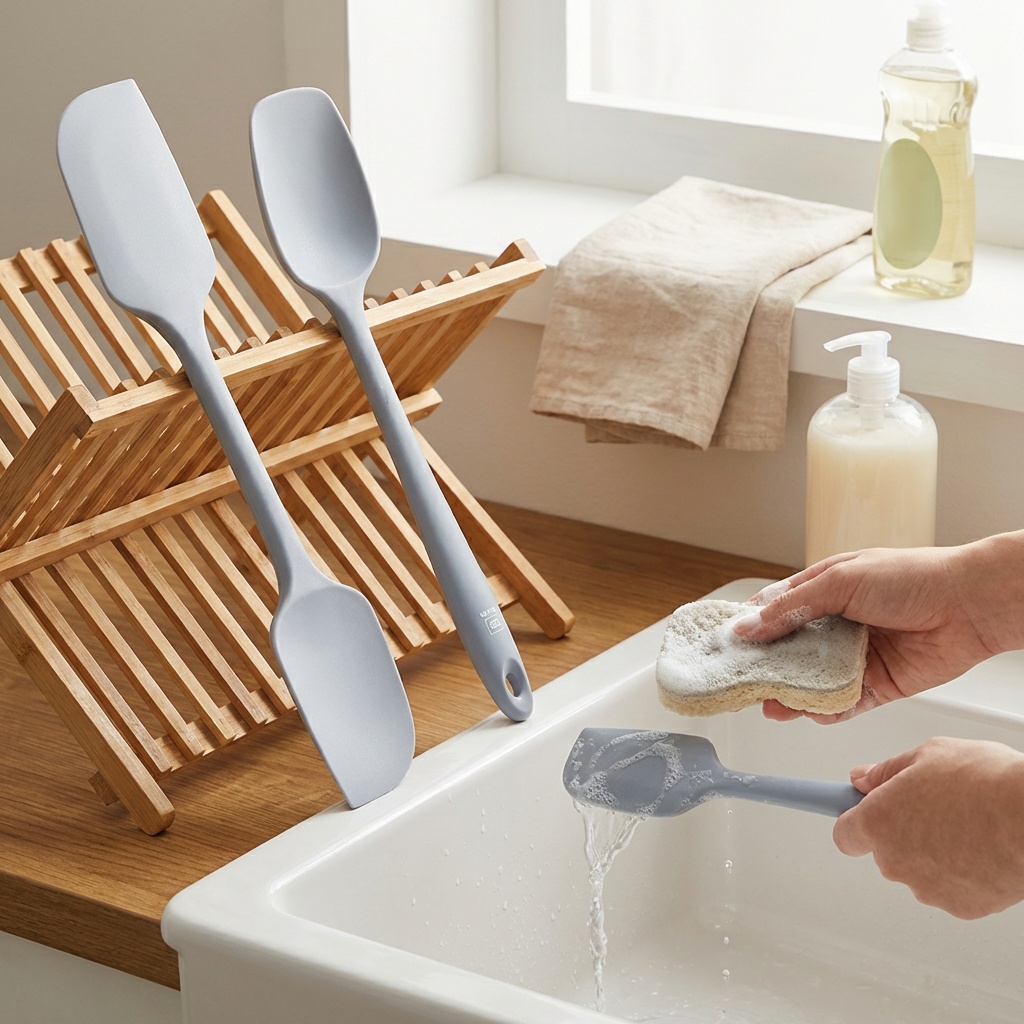
Dishwasher Duty: Yes or No?
The Silicone Spoonula is dishwasher safe, though hand washing helps preserve its finish longer. High-heat dry cycles can dull exterior surfaces over time. For best results, a quick wash with mild soap keeps them looking new.
Tackling Tough Stains: Simple Solutions
Tomato sauce and turmeric can leave their mark, but they don't have to be permanent. Mix baking soda with lemon juice to create a gentle paste. Apply it, let it sit for 15 minutes, then scrub gently with a soft brush. Most stains disappear without harsh chemicals.
Proper Storage for Longevity
Drawer dividers prevent bending during storage. Wall-mounted racks keep tools accessible while maintaining their shape. Avoid storing heavy items on top of silicone tools. Prolonged pressure can deform thinner pieces permanently.
The DI ORO Forever Warranty: Our Promise
Every DI ORO utensil carries our Forever Warranty, covering replacement for defects or damage indefinitely. It's how we stand behind the tools we make and support home chefs who cook with passion.
Frequently Asked Questions
What should I look for when buying silicone cooking utensils?
Look for LFGB or FDA food-grade certification, BPA-free labeling, and heat resistance exceeding 500°F. Check for seamless construction without gaps where bacteria can hide, and consider tools with stainless steel reinforcement for added strength. Quality silicone utensils like DI ORO's products meet these standards with 600°F heat resistance and professional-grade materials.
Are there any downsides to using silicone cooking utensils?
Budget silicone utensils may warp above 400°F and lack proper certifications, potentially containing unwanted additives. Some lower-quality options can retain odors or stains from certain ingredients. That's why choosing certified, professional-grade silicone with proper heat ratings and seamless construction makes all the difference in performance and safety.
Do silicone cooking utensils release harmful chemicals when heated?
High-quality silicone utensils with LFGB certification and BPA-free materials are designed to withstand demanding conditions without leaching unwanted compounds. Professional-grade silicone like DI ORO's products maintains stability up to 600°F without releasing harmful substances. Always verify certifications and heat ratings to ensure your tools meet safety standards.
Are silicone cooking utensils safe for your health?
Yes, when you choose certified silicone utensils that are BPA-free and LFGB approved. These certifications confirm the materials can handle high temperatures without leaching harmful compounds into your food. DI ORO uses premium materials that meet these strict safety standards, giving you confidence that nothing harmful touches your meals.
Which brand makes the best silicone cooking utensils?
DI ORO stands out with recognition from America's Test Kitchen, Cook's Illustrated, and Food Network for their professional-grade construction. Their seamless design eliminates bacteria-hiding crevices, while 600°F heat resistance and reinforced stainless steel cores provide superior performance. The Forever Warranty backing every product shows their confidence in long-lasting quality.
How do I properly care for my silicone cooking utensils?
Most quality silicone utensils are dishwasher safe, though hand washing with mild soap helps preserve their finish. High-heat dry cycles may dull surfaces over time, so air drying works best. For tough stains, a simple baking soda paste can help restore their original appearance without damaging the material.
Can silicone utensils handle high-heat cooking methods?
Professional-grade silicone utensils can withstand temperatures up to 600°F, making them perfect for searing and other high-heat techniques. This heat resistance eliminates the frustration of melted tools mid-recipe that plagues traditional utensils. Always verify your specific tool's heat rating matches your cooking style before use.

Please upload banner from store admin blog pages