DI ORO: Silicone Cooking Utensils Safe Guide
silicone cooking utensils safe guide
What Makes Silicone a Kitchen Superstar?
Wondering if silicone cooking utensils deserve a spot in your kitchen arsenal? Here's the science: silicone earns its place through chemistry, not clever marketing. Made from silica (yes, the same stuff in sand), food-grade silicone goes through serious processing to strip away impurities. What you get is a material that's flexible yet tough, heat-resistant, and naturally repels odors and bacteria. Unlike plastic, it won't leach weird stuff into your morning eggs. Unlike metal, it won't scratch your favorite nonstick pan. It's the perfect middle ground your cookware's been waiting for.
The Building Blocks and What "Food-Grade" Actually Means
Silicone starts its life as silica. A natural element you'd find in quartz sand. Through some pretty impressive industrial magic, it transforms into that bendy material you know and love. "Food-grade" isn't marketing fluff; it's a real designation meaning the silicone's been tested and certified free of nasty fillers, plasticizers, and other additives you definitely don't want near your food. Look for certifications from the US FDA or German LFGB. These aren't participation trophies. These agencies demand independent testing before products earn their stamps of approval. DI ORO carries both certifications on every single piece, because we believe your spatula should meet the same standards as your ingredients.
Safety Standards: Your Silicone Utensils' Report Card
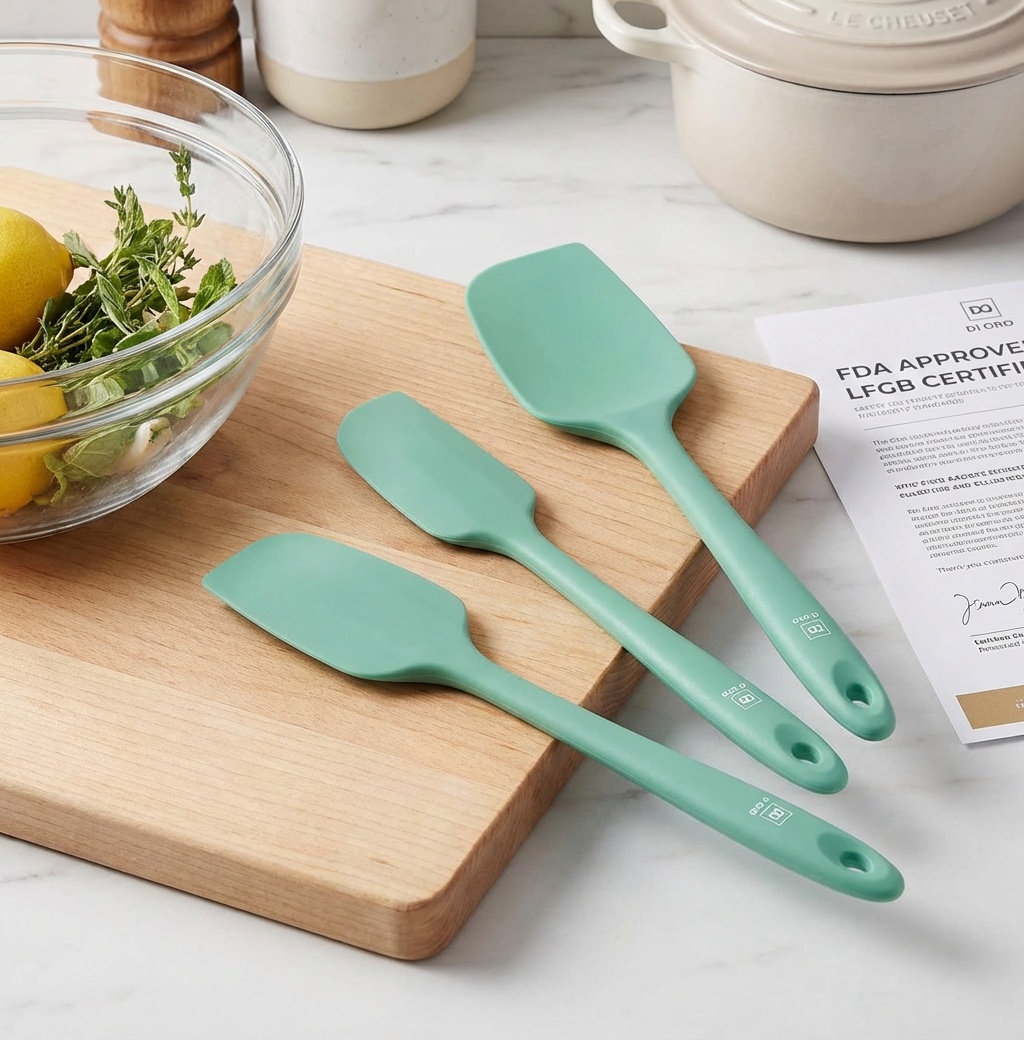
Decoding "Safe": What FDA and LFGB Certifications Mean for You
Two certifications matter most for kitchen silicone: US FDA approval and German LFGB certification. Both require manufacturers to submit products for independent laboratory testing that checks for leachable compounds, temperature stability, and material purity. LFGB standards are particularly tough. They often require food-contact simulation over extended periods. When a product carries both stamps, you're getting double verification from two of the strictest regulatory bodies around. DI ORO holds both certifications on our Silicone Spoonula and the entire Seamless Series.
Heat Test: How Hot Is Too Hot?
Premium silicone laughs in the face of high heat. Quality pieces handle temperatures up to 600°F without melting, warping, or releasing funky fumes. This makes them perfect for stirring that bubbling pasta sauce, flipping pan-seared chicken, or scraping caramelized goodness from your cast iron. The key word here? "Premium." Cheap silicone might go soft at lower temps, leading to sad, warped tools. DI ORO's pro-grade silicone keeps its cool (or should we say hot?) at 600°F, so you can cook with confidence whether you're working a screaming-hot griddle or a rolling boil.
Setting the Record Straight on "Forever Chemicals"
Let's clear up some confusion. PFAS compounds. Those "forever chemicals" you've heard about. Are synthetic materials used in some nonstick coatings and industrial applications. Silicone is chemically different from these fluoropolymers. Think of them as distant cousins who don't even exchange holiday cards. DI ORO's silicone is BPA-free and contains zero PFAS, backed by those certifications we mentioned earlier.
Why High-Quality Silicone Utensils Are Game-Changers
Your Cookware's Best Friend
Good silicone doesn't just help you cook. It protects your investment in quality cookware. Those soft, flexible edges glide across delicate surfaces without leaving battle scars. Metal utensils? They'll score your nonstick coating faster than you can say "warranty void." Silicone helps preserve those surfaces you depend on, whether it's a well-seasoned cast iron or a sleek ceramic pan. The flexible blade bends to fit pan curves, scraping up every bit of fond and sauce without any damage.
Comfort That Counts
Ever notice how your hands feel after prepping a big meal with clunky tools? Cooking fatigue is real, and poorly designed utensils make it worse. Premium silicone utensils feature ergonomic handles built for the long haul. DI ORO's Seamless Series includes an 18/10 stainless steel core that gives you strength without the bulk. Result? A tool that feels substantial but comfortable, reducing wrist strain during those marathon cooking sessions.
Premium vs. Budget: What You're Really Getting
Premium Benefits
- Heat resistant up to 600°F
- Stainless steel reinforced core helps prevent bending
- LFGB and FDA certified; BPA-free
- Dishwasher safe and odor-resistant
- Forever Warranty covers defects and damage indefinitely
Budget Options May Offer
- Lower heat thresholds around 400°F
- Thinner construction that may warp
- Single certifications or none
- Potential odor retention over time
Shopping Smart: How to Choose and Care for Safe Silicone Utensils
The Touch Test: Spotting Quality Silicone
Quality silicone announces itself through feel. Give it a gentle bend. Premium pieces spring back without losing their shape. Check for warning signs that scream "replacement time": cracks, permanent bend marks, or that sticky feeling even after washing. Weird discoloration or funky smells that won't quit? Those are red flags telling you the material's breaking down. When you spot these issues, it's time to say goodbye.
DI ORO: The Kitchen Tools That Earned Their Stripes
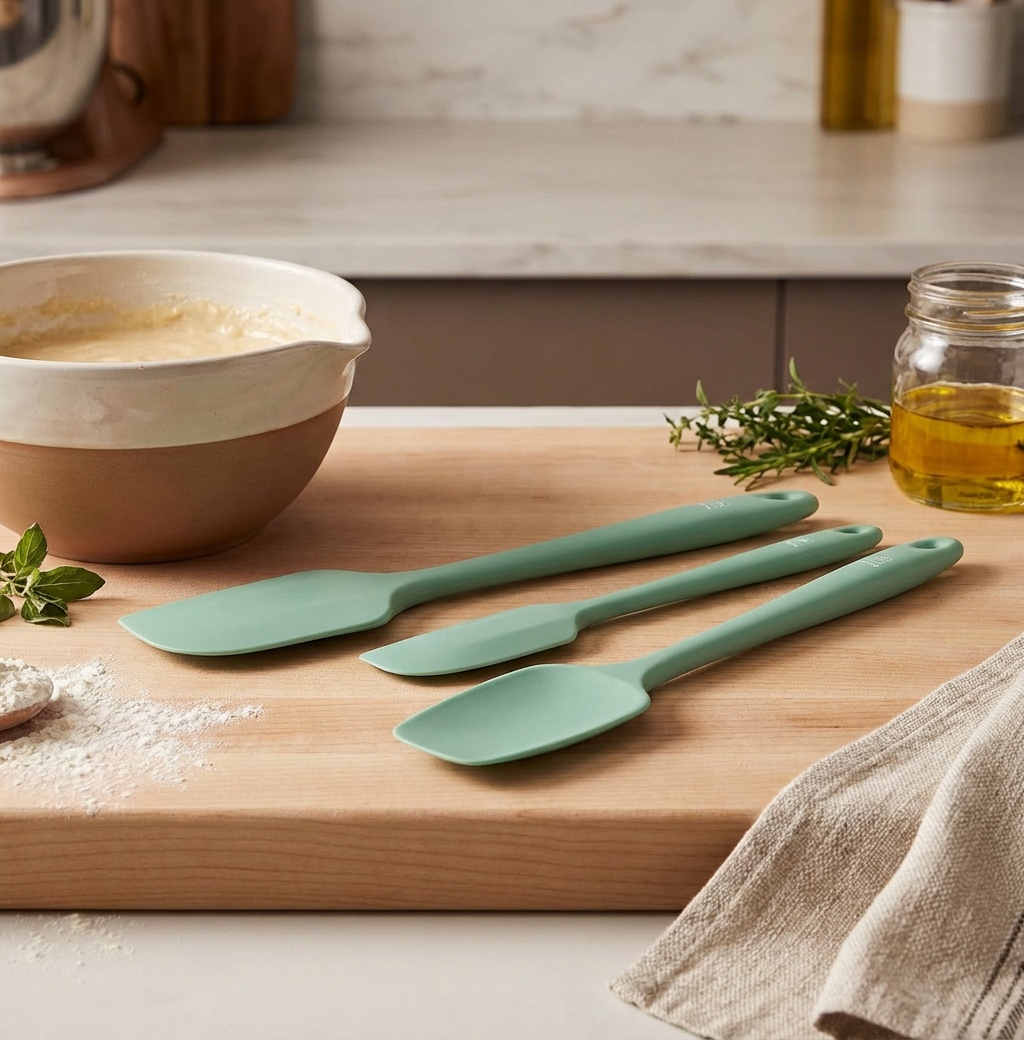
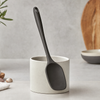
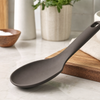
Our Silicone Spoonula puts everything we've discussed into practice. It's certified BPA-free and battle-tested by America's Test Kitchen, offering heat resistance up to 600°F. The stainless steel core gives you the backbone you need for serious cooking while the flexible edge babies your nonstick surfaces.
We're so confident in our tools that DI ORO backs every single product with a Forever Warranty. Defects? Damage? Manufacturing hiccups? We've got you covered indefinitely. Check out dioro.com to explore our Seamless Series and discover tools built to perform, protect, and outlast your expectations.
Bottom Line: Safe silicone cooking utensils start with proper certifications (FDA, LFGB), stay BPA-free, and handle temperatures up to 600°F. Choose quality tools with proven durability and warranties that show the maker's got confidence in their product.
Your Kitchen Deserves Better
Choosing kitchen tools shouldn't require a chemistry PhD. As cooking standards evolve, more home chefs want materials that protect both their food and their favorite pans. You're not just buying a spatula. You're investing in tools that'll have your back for years to come. This guide shows why certified, pro-grade silicone stands apart as the smart, durable choice.
When silicone meets stringent FDA and LFGB standards, you get peace of mind served with every meal. It handles the heat, fights off bacteria, and keeps your cookware looking new.
Frequently Asked Questions
Are silicone cooking utensils safe for my family's health?
Absolutely! Food-grade silicone, like what we use at DI ORO, is rigorously processed from natural silica and certified free of harmful fillers. It's designed to be a thoughtful, safe choice for your kitchen, resisting heat and bacterial buildup without leaching unwanted compounds.
Does silicone release microplastics or 'forever chemicals' when I cook with it?
No, that's a common misconception. Food-grade silicone is chemically distinct from plastics and PFAS 'forever chemicals,' so it won't leach those into your food. Our DI ORO silicone is specifically BPA-free and PFAS-free, ensuring a clean cooking experience for every meal.
Are there any reasons why I shouldn't use silicone cooking utensils?
For home chefs who prioritize quality and safety, there aren't many downsides to certified food-grade silicone. While low-grade silicone might soften at lower temperatures, premium silicone, like our DI ORO tools, maintains its integrity up to 600°F and protects your valuable cookware.
What is the healthiest material for kitchen utensils?
Silicone offers a wonderful middle ground for kitchen utensils. Unlike plastic, it won't leach petroleum derivatives, and unlike metal, it won't scratch your nonstick coatings or cast iron. Its flexibility, heat resistance, and odor-repelling properties make it a top choice for a healthy and happy kitchen.
What should I look for to ensure my silicone cooking utensils are truly safe?
Always look for 'food-grade' silicone that carries certifications from reputable bodies like the US FDA or German LFGB. These certifications mean the silicone has undergone independent testing for purity and temperature stability. At DI ORO, we proudly hold both for our silicone tools.
How hot can silicone cooking utensils get before they're no longer safe?
Premium food-grade silicone is incredibly heat resistant, performing well up to 600°F without melting, warping, or releasing fumes. This high tolerance makes it ideal for everything from stirring hot soups to scraping caramelized sugars with confidence.
How do I know when it's time to replace my silicone utensils?
Quality silicone should feel substantial and spring back when bent. If you notice cracks, permanent deformation, a sticky texture after cleaning, or a lingering odor, it's a sign the material is degrading. When these issues appear, it's time to retire that utensil and welcome a new one into your kitchen.

Please upload banner from store admin blog pages