Silicone Spatula Tips: DI ORO's 2026 Guide
The Mighty Tip: Why Your Silicone Spatula's Head Is Everything
Your spatula's tip does all the heavy lifting. While handles get the glory, the business end determines whether you scrape every last bit of brownie batter or leave half behind. Smart silicone spatula tips are not just about flexibility. They are engineered for specific tasks, from delicate folding to aggressive scraping.
Beyond the Basics: What Truly Defines a Great Spatula Tip?
A superior spatula tip combines three elements: edge precision, material integrity, and thermal stability. The best tips feature tapered edges that conform to bowl curves while maintaining enough structure for effective scraping. Pro-grade silicone construction ensures consistent performance without degradation, even at high temperatures up to 600°F.
The Science of Scrape: How Tip Design Dictates Performance
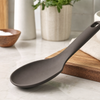
Tip geometry affects everything from mixing efficiency to food release. Beveled edges create better contact with surfaces, while rounded corners help prevent scratching on nonstick cookware. The Omelette Spatula exemplifies this approach with its precision-molded tip that glides smoothly while maintaining scraping power, featuring a 100% silicone handle and heat resistance up to 600°F.
Pro Tip
Test your spatula's edge flexibility by gently pressing it against a bowl. Quality tips bend without creasing and return to the original shape immediately.
Flexibility vs. Firmness: Finding the Sweet Spot for Every Task
Different cooking techniques demand different tip characteristics. Delicate folding requires flexibility to preserve air bubbles in batters. Scraping caramelized bits needs firmness for effective removal. The ideal spatula balances both through graduated flexibility. Softer at the edge and firmer at the core with 18/10 stainless steel reinforcement.
Decoding Silicone Spatula Shapes: Your Guide to Task Mastery
Shape determines function in spatula design. Understanding how different tip profiles tackle specific kitchen challenges improves efficiency and results.
The All-Arounder: Versatile Tips for Daily Kitchen Wins
Medium-width tips with gentle curves handle many kitchen tasks. These workhorses excel at stirring sauces, scrambling eggs, and general mixing without specializing too narrowly. Look for tips measuring 2-3 inches wide with moderate flexibility.
The Precision Scraper: Mastering Tight Corners and Every Last Drop
Narrow, pointed tips access bowl corners and jar bottoms that wider spatulas miss. These precision tools shine when scraping ingredients like vanilla paste or nut butters. Their focused design maximizes ingredient recovery while minimizing waste.
The Gentle Turner: Flipping with Finesse, Not Frustration
Wide, thin tips slide easily under delicate foods without breaking. Perfect for pancakes, fish fillets, and cookies, these spatulas distribute lifting force across a larger surface area. The Omelette Spatula exemplifies this approach with its broad, gently curved profile.
| Tip Style | Best For | Width | Flexibility |
|---|---|---|---|
| All-Purpose | Daily mixing, stirring | 2-3 inches | Medium |
| Precision Scraper | Jars, corners, detail work | 1-1.5 inches | High |
| Turner | Flipping, lifting delicate foods | 3-4 inches | Medium-Low |
Specialty Tips: When to Reach for the Niche
Specialized tip designs tackle specific challenges. Offset spatulas work well for cake decorating, while spoon-shaped tips excel at stirring thick batters. Mini spatulas handle small-batch baking and jar scraping with a level of precision that full-size tools cannot match.
| Tip Shape | Best For | Key Feature |
|---|---|---|
| Wide & Thin | Flipping delicate foods | Even weight distribution |
| Narrow & Pointed | Corner scraping | Maximum precision |
| Curved Edge | Bowl mixing | Consistent surface contact |
| Spoon Shape | Thick batters | Folding without deflation |
Built to Last: Spotting Durable Silicone Spatula Tips That Will Not Quit
Quality construction separates temporary tools from long-term kitchen companions. Understanding material science and manufacturing techniques helps you identify spatulas that keep performing through years of daily use.
Material Matters: What to Look for Beyond "Silicone"
Not all silicone performs equally. Food-grade, BPA-free, FDA-approved, and LFGB-certified silicone resists staining, odor absorption, and degradation better than cheaper alternatives. LFGB certification reflects European safety standards, while FDA approval covers basic food-contact safety. Pro-grade materials maintain flexibility and strength through thousands of wash cycles.
The Seamless Advantage: Why Construction Is Key to Longevity
Seamless, one-piece construction eliminates failure points where bacteria can hide and cracks can develop. Tips that are molded separately and bonded to handles create weak spots that can eventually separate. Single-piece manufacturing supports consistent material properties throughout the tool and can extend usable life.
Heat Resistance Real Talk: Protecting Your Spatula From Meltdown Moments
Temperature ratings matter more than marketing claims. Quality silicone spatula tips can withstand 600°F without softening. This threshold covers stovetop cooking and many oven tasks. Lower-rated materials can seem adequate until high heat causes permanent damage.
Quality Check
Bend the tip gently. Premium silicone returns to shape immediately without white stress marks or creasing. Inferior materials show permanent deformation or discoloration.
The Unsung Heroes: Advanced Silicone Spatula Tips for Modern Cooks
Modern cooking demands more than basic scraping. Today's silicone spatula tips can serve as precise tools for techniques ranging from delicate pastry work to weeknight meal prep.
Beyond Scraping: Spatula Tips for Delicate Folding and Aeration
Proper folding preserves air bubbles that create light textures in soufflés and mousses. Thin, flexible tips move through mixtures with less deflation. A gentle curve supports controlled movement that keeps volume while still achieving full incorporation.
The Ergonomic Edge: How Spatula Tip Design Aids Hand Comfort
Tip weight and balance affect hand fatigue during longer cooking sessions. Well-designed tips distribute mass evenly, reducing wrist strain. Stainless steel cores provide rigidity without excessive weight, supporting control during detailed work.
Cleaning Smarts: Tips for Keeping Your Spatula Tip Pristine (and Cleaner)
Proper maintenance extends spatula life and supports food safety. Dishwasher-safe materials simplify cleanup, and hand washing with warm, soapy water can also be effective. Pay special attention to the tip edge where residue can collect. Avoid abrasive cleaners that scratch surfaces and create spots that are harder to clean.
The DI ORO Difference: Engineering Solutions for Real Kitchen Problems
At DI ORO, design starts with real kitchen challenges. Our spatulas focus on seamless construction and high-heat performance, using BPA-free, FDA-approved, and LFGB-certified materials.
Mastering Your Spatula Selection: Final Considerations
Smart spatula selection combines your cooking style with quality construction. The best silicone spatula tips deliver consistent performance across everyday tasks while supporting materials and build quality you can trust.
Heat resistance up to 600°F, seamless construction, and food-grade materials form a strong baseline for a worthwhile spatula choice. These factors determine whether your tool performs reliably through years of service or fails at the worst time.
Consider your go-to cooking routines when choosing tip styles. Daily meal prep benefits from versatile all-purpose designs, while baking often calls for precision scrapers and gentle turners. A small set of complementary shapes covers common kitchen scenarios without cluttering drawers.
When your spatula responds predictably, scrapes cleanly, and holds up to high heat, cooking feels smoother and more confident. Keep an eye on certifications, construction methods, and real-world performance. Not just packaging claims.

Please upload banner from store admin blog pages