Silicone vs Nylon Omelette Spatula: Which Wins?
Choosing the right spatula for your morning omelette matters more than you might think. It is not just about flipping eggs; it is about preserving your pan, ensuring your food’s safety, and making each fold as smooth as silk. The debate of silicone vs nylon omelette spatula is more than a kitchen preference. It is a decision that impacts your cooking experience from heat resistance to chemical safety.
Whether you are a weekend brunch enthusiast or a weekday breakfast warrior, knowing which spatula material delivers on performance and peace of mind sets the foundation for better omelettes and less cleanup frustration. Here is the rundown you need before you even step near the stove.
Silicone vs Nylon Omelette Spatula: Which One Should You Trust for Your Morning Flip?
Why your omelette spatula material matters more than you think
Flipping an omelette is a delicate dance: you need a tool that slides effortlessly under the egg, folds it without tearing, and withstands the heat of your pan without warping. The material of your spatula directly affects all of these factors. Nylon, while popular, has a melting point around 400°F (200°C), which is dangerously close to the temperatures you might reach when searing fillings or cooking with butter. That means your nylon spatula could soften, warp, or even release unwanted substances into your food. Silicone, especially the kind used in DI ORO’s Omelette Spatula, is heat-stable up to 600°F (315°C), designed to handle high temperatures without any degradation or chemical migration.
Beyond temperature resilience, the flexibility, edge thinness, and nonstick pan compatibility make silicone the superior choice for omelettes. Unlike nylon, silicone will not leave black marks or damage your nonstick surface, and its non-slip grip means you flip with confidence, not fear.
The short answer for home cooks who want to decide fast
Before You Flip, Check for:
- Heat resistance above 500°F for safe high-heat cooking
- Thin, flexible edges to fold omelettes without tearing
- Nonstick pan-friendly materials that do not scratch or mark
- Chemical safety certifications, like FDA and LFGB approvals
- Comfortable, non-slip handles for secure flipping
- Durability backed by a solid warranty
Heat Resistance Face-Off: Can Nylon Handle Searing Heat Without Melting?

Nylon's melting point and what happens near a hot pan
Nylon’s melting threshold sits around 400°F (200°C), which often overlaps with typical cooking temperatures, especially when butter or oil heats the pan beyond medium heat. When exposed to such heat, nylon spatulas may soften, warp, or lose structural integrity. This can cause the spatula’s edge to become less effective at sliding under your omelette, and worse, it risks melting small fragments into your food. Many home cooks report their nylon spatulas warping after just a few uses, particularly when attempting high-heat searing or pan-frying fillings.
Why DI ORO silicone is tested to 600°F without degradation
The Omelette Spatula from DI ORO features pro-grade silicone tested rigorously up to 600°F (315°C). This means it withstands temperatures well beyond typical stovetop cooking, including searing and sautéing. Unlike nylon, DI ORO’s silicone maintains its shape, flexibility, and strength, ensuring it will not melt or degrade even during intense heat exposure. The material’s resilience also prevents any chemical migration, making it safe for your food and pan.
Real-world omelette scenarios: high heat, butter, and fillings
Omelettes often involve cooking at high heat to quickly set eggs while sautéing fillings like peppers, onions, or cheese. Butter, commonly used for flavor, can reach temperatures exceeding 400°F in the pan, putting nylon spatulas at risk. In contrast, the heat resistance of DI ORO’s silicone ensures the spatula performs flawlessly without softening or melting. This durability means you can sauté and flip without worrying about damage or contamination. The 18/10 stainless steel core embedded inside the silicone adds strength, so the spatula does not bend or flop even with heavy omelettes or chunky fillings.
| Feature | Nylon Spatula | DI ORO Omelette Spatula (Silicone) |
|---|---|---|
| Heat Resistance | Up to ~400°F (200°C); risk of melting at high heat | Up to 600°F (315°C); no melting or warping |
| Structural Integrity | Softens and warps near hot pans | Maintains shape and flexibility under heat |
| Chemical Safety | Potential chemical release near melting point | Inert, FDA and LFGB certified, forever-chemical-free |
| Pan Protection | Can scratch or leave black marks when edges fray | 100% silicone surface, zero scratching |
Chemical Safety Deep Dive: Does Nylon Leach Into Your Eggs?
What the BfR report says about oligomer migration from nylon
The German Institute for Risk Assessment (BfR) has examined the safety of nylon utensils and found that nylon can release oligomers. Small chemical fragments. Into food when exposed to temperatures above 70°C (158°F). While these oligomers are not fully banned, their migration into hot food raises questions about long-term health effects. This risk is especially relevant for utensils used in direct contact with hot eggs or oily fillings, which can reach temperatures well above the BfR threshold during cooking.
How food-grade silicone stays inert and forever-chemical-free
Silicone, especially the pro-grade type used in DI ORO’s Omelette Spatula, is chemically inert, meaning it does not interact with or leach into food under normal cooking conditions. It is BPA-free, FDA approved, and LFGB certified. Unlike nylon, silicone contains no oligomers that can migrate into your meals, offering a forever-chemical-free solution. This translates into peace of mind that your spatula will not compromise your food’s safety, even at high temperatures. If you are still debating a silicone vs nylon omelette spatula, consider the long-term health benefits of inert materials.
Microplastic migration in hot scrambled eggs: what the science shows
Recent research highlights concerns about microplastic release from worn or degraded kitchen utensils. Nylon, as a plastic polymer, can shed microscopic particles, especially when exposed to heat and abrasion. These microplastics may accumulate in food, posing health risks. Silicone, by contrast, is a durable polymer that resists degradation and does not shed microplastics during typical cooking. The solid, one-piece design of DI ORO’s spatula prevents cracks or crevices where particles could form, making it a safer choice for repeated use with hot, delicate eggs.
Omelette-Specific Performance: Folding, Flipping, and Nonstick Pan Protection
Edge thinness and flexibility for gentle omelette folding
Crafting the perfect omelette is an art, and the right spatula is your paintbrush. For that signature fold, you need a tool that can gracefully slide beneath the delicate egg layers without tearing them. An ideal omelette spatula features an edge that is both thin and flexible, allowing it to scoop up the cooked portion cleanly and effortlessly. Nylon spatulas, while sometimes rigid, can lack the finesse needed here. Their thicker, stiffer edges can snag, rip, or push the omelette around rather than lifting it. This lack of precision can lead to messy, broken omelettes, no matter how skilled the cook. A spatula that bends just enough to conform to the pan’s curve and lift the egg without resistance is key to achieving that professional, folded finish every time.
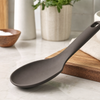
DI ORO’s Omelette Spatula is engineered with this very principle in mind. Its pro-grade silicone edge is precisely shaped to be thin and pliable, designed to slip under even the most fragile omelette layers with ease. This flexibility ensures that the spatula contours to the pan’s surface, making for a smooth, clean lift and fold. It is this attention to detail in the edge design that truly sets a high-performance omelette spatula apart, transforming a potentially frustrating maneuver into a satisfying, successful flip.
Slotted vs solid heads: moisture management for chunky vs delicate fillings
Regarding omelettes, the type of filling can dramatically influence how you approach the flip. Delicate fillings like cheese or finely chopped herbs require a solid spatula head to ensure they do not fall through any openings. A solid head also helps to gently push and fold the omelette neatly. Conversely, if you are working with chunkier ingredients or want to drain excess moisture from sautéed vegetables before folding, a slotted spatula might seem appealing. Yet, for the primary task of flipping and folding an omelette itself, a solid, non-porous surface is generally superior. Slotted designs are more suited for tasks like lifting fried foods from oil and are less ideal for the delicate handling an omelette demands.
The DI ORO Omelette Spatula features a solid, one-piece silicone head. This design is paramount for omelette success; it provides a smooth, unbroken surface that cleanly lifts and folds the egg mixture and its contents without any risk of ingredients slipping through. This solid construction also prevents any liquid or small bits from getting trapped in crevices, making it easier to clean and more hygienic. It is the dependable choice for any omelette, ensuring that every bite stays perfectly contained within the delicate egg casing.
Why nylon's black marks and fraying edges ruin nonstick pans
One of the biggest frustrations for home cooks is damaging their expensive nonstick cookware. Nylon spatulas, particularly when subjected to heat or friction, can develop frayed edges or leave behind dark, stubborn marks on your pan's surface. This wear and tear is not just unsightly; it is a direct assault on the integrity of your nonstick coating. Those frayed nylon fibers can scratch the delicate surface, compromising its nonstick properties and making it prone to food sticking. The black marks are often residue from the nylon itself, which can be difficult to remove and may indicate that the spatula is degrading and potentially transferring material to your food. This makes nylon a risky choice for anyone who cherishes their nonstick pans.
How DI ORO's solid silicone design protects your cookware
DI ORO’s commitment to protecting your kitchen extends to your cookware. The Omelette Spatula is designed to be gentle on all surfaces, ensuring your nonstick pans remain in pristine condition. The choice between a silicone vs nylon omelette spatula ultimately comes down to your priorities for safety and pan longevity.
Quick Decision Guide: What’s the Best Spatula for Your Omelette Pan?

When to choose silicone (and what to look for)
Choosing the right spatula for your omelette pan boils down to heat resistance, flexibility, and cookware protection. Silicone spatulas excel in all these areas, especially when crafted with pro-grade, food-safe materials. For omelette flipping, look for a spatula with a thin, flexible edge. Around 1-2mm. To gently fold and slide under delicate eggs without tearing. Opt for a design reinforced with a stainless steel core to avoid unwanted bending during thicker omelette flips. Heat resistance matters too: silicone spatulas rated up to 600°F handle searing pans and buttery fillings without melting or warping, unlike nylon, which softens near 400°F. Plus, silicone’s non-reactive surface will not leach chemicals or damage your nonstick coatings, making it the go-to choice for safety and performance.
When nylon might still make sense (and when it definitely does not)
Nylon spatulas may appeal because of their lower cost and firm structure, but their limitations quickly become clear. Nylon melts at approximately 400°F, risking deformation on high-heat stovetops often used to cook omelettes. They also tend to leave black scuff marks on nonstick pans and can fray over time, which compromises both your cookware and the utensil’s lifespan. Nylon’s potential to release oligomers into food above 158°F, as reported by the BfR, raises safety concerns especially with hot, fatty foods like omelettes cooked in butter or oil. Nylon might still work for low-heat tasks or occasional flipping, but for any serious home chef who cooks regularly or values kitchen health, nylon spatulas are not a reliable choice.
Our top pick: DI ORO Solid Silicone Spatula
At DI ORO, we stand behind the Omelette Spatula as the premier tool for omelette enthusiasts. It combines 100% BPA-free, LFGB-certified silicone with an 18/10 stainless steel core, offering unmatched durability and precision. The spatula’s thin, flexible edge makes folding and flipping effortless, while its heat resistance to 600°F ensures it will not warp or melt near hot pans. Designed with a non-slip handle, it stays comfortable and safe even during the busiest breakfast rush. Covered by DI ORO’s Forever Warranty, the Omelette Spatula supports your cooking journey for years without worry. It is a smart investment for home chefs who want professional-grade performance without compromise.
Frequently Asked Questions About Silicone vs Nylon Spatulas
Can silicone spatulas flip a heavy omelette without bending too much?
Yes. Silicone spatulas designed with an internal stainless steel core, like the DI ORO Omelette Spatula, provide the perfect balance of flexibility and strength. This construction allows for gentle folding and sliding under omelettes without bending excessively, even with thicker fillings. Pure silicone without reinforcement tends to be too floppy for heavy flipping, so look for products with this feature to handle your omelette with confidence.
Does nylon leave black marks on nonstick pans?
Unfortunately, nylon utensils often leave behind black scuff marks on nonstick surfaces as the edges wear down or melt slightly during cooking. These marks not only affect the pan’s appearance but can degrade the nonstick coating, shortening its lifespan. In contrast, silicone spatulas with smooth, solid edges and no metal cores are 100% safe and will not scratch or mark your pans, preserving your cookware investment.
Are silicone spatulas safe for high-heat cooking?
Absolutely. High-quality food-grade silicone spatulas, especially those tested up to 600°F like DI ORO’s Omelette Spatula, withstand typical and even intense stovetop heat without melting, warping, or releasing chemicals. Silicone remains inert under heat, ensuring your food stays pure and safe. This makes them ideal for cooking techniques that involve searing, sautéing, or flipping in hot butter or oil.
How do I clean and maintain my omelette spatula?
Cleaning your omelette spatula is straightforward. Both silicone and nylon spatulas are dishwasher safe, but hand washing with warm soapy water helps prolong the tool's life. For silicone spatulas, avoid abrasive scrubbers that might damage the surface. The DI ORO Omelette Spatula’s solid design prevents food from getting trapped, making it hygienic and easy to keep spotless. Regular cleaning ensures your spatula stays odor-free and ready for flawless flips every time.

Please upload banner from store admin blog pages