4-Cup Measuring Cup Guide: Choose the Best in 2026
4-cup measuring cup
What is a 4-Cup Measuring Cup?
A 4-cup measuring cup is your kitchen's workhorse for tackling bigger batches. With a full quart of capacity, it's designed for measuring liquids like stock, milk, and water, plus bulkier dry ingredients like flour and sugar. Unlike standard 1- or 2-cup versions, this size lets you measure everything in one go without multiple pours or refills.
Most 4-cup measuring cups feature clear measurement markings in cups, ounces, and milliliters, along with a pour spout and handle for easy transfer. Materials range from glass and plastic to silicone, each offering different benefits for heat resistance, durability, and storage. The best ones combine accuracy with practical design, so you can measure, mix, and pour without making a mess or second-guessing your recipe.
Look for clear, permanent markings, a comfortable handle, and a material suited to your cooking style. Glass works for microwaving and hot liquids, while silicone offers flexibility and storage convenience. Prioritize accuracy, easy-to-read measurements, and dishwasher-safe construction for everyday reliability.
Benefits of a 4-Cup Measuring Cup
Efficiency is the biggest win. Measuring a quart of chicken stock or four cups of flour happens in one step instead of four, saving time and reducing cleanup. This size handles batch cooking, recipe doubling, and large-format baking without breaking stride.
Versatility goes beyond measuring. Use it as a mixing bowl for pancake batter, a vessel for melting butter in the microwave, or a container for whisking dressings. The pour spout gives you control when transferring liquids to pots or pans, minimizing spills and drips.
Space savings matter too. One 4-cup measuring cup replaces multiple smaller sizes for most tasks, freeing up drawer space. Silicone versions collapse for compact storage, while glass and plastic models nest with other kitchen essentials. You'll reach for this tool constantly once it's part of your setup.
How to Choose a 4-Cup Measuring Cup
Material determines performance. Glass handles heat beautifully and won't absorb odors, making it perfect for microwaving or measuring hot liquids. Plastic is lightweight and shatter-resistant but can stain over time. Silicone offers flexibility, heat resistance, and collapsible storage without compromising accuracy.
Measurement clarity is non-negotiable. Look for markings that are etched, molded, or permanently printed—not surface-painted labels that fade after dishwasher cycles. Multiple measurement systems (cups, ounces, milliliters) add convenience for international recipes and ingredient conversions.
Handle comfort and spout design affect daily use. A sturdy, ergonomic handle helps prevent slipping when the cup is full and heavy. A well-designed spout supports a controlled pour without dribbling down the side. Test the grip angle if possible; it should feel balanced in your hand.
Dishwasher safety saves hassle. Confirm the material can handle heat and detergent without warping or clouding. Stability matters too. A wide base helps prevent tipping on the counter, especially when you're measuring sticky ingredients or working one-handed.
For precise results, consider adding measuring tools like our 4-Piece 18/8 Stainless Steel Measuring Cup Set to your kitchen arsenal.
Care and Maintenance Tips
Hand-washing preserves measurement markings longer than dishwashers, especially on plastic models with printed labels. Use warm, soapy water and a soft sponge to avoid scratching transparent surfaces. Glass cups tolerate stronger scrubbing better than plastic or silicone if you're dealing with stubborn residue.
Avoid thermal shock with glass measuring cups. Don't transfer them directly from the freezer to boiling water, or from the microwave to a cold countertop. Let them adjust to room temperature first to help prevent cracking. Store with other glassware to reduce the risk of chips from metal pots and pans.
Silicone cups need occasional deep cleaning to help prevent oil buildup. Soak in hot water with baking soda, then rinse thoroughly. Plastic versions may develop cloudiness over time from hard-water deposits. A vinegar soak can restore clarity and remove mineral film without damaging the material.
For helping with cleanup after your cooking, consider a space-saving silicone drying rack that complements your kitchen setup.
Common Mistakes to Avoid
Measuring flour by scooping directly from the bag compacts it, giving you 20% to 30% more than the recipe intends. Spoon flour into your 4-cup measuring cup instead, then level with a straight edge. This method supports accuracy for baking, where precision matters most.
Reading liquid measurements at eye level helps prevent errors. Checking from above makes liquids appear fuller than they are, while looking from below shows less volume. Set the cup on a flat surface and crouch down to read the marking at the meniscus (the curved surface of the liquid).
Overfilling past the rim defeats the purpose of measured capacity. A true 4-cup measuring cup holds one quart when filled to the top line—not when liquid spills over the edge. Leave headroom for safe pouring and accurate measurement, especially with hot liquids that can expand.
Using the wrong material for the task can create problems. Some plastic cups can warp when measuring near-boiling water or very hot melted butter. Glass can shatter if dropped or exposed to extreme temperature changes. Match your cup's material to the job, and keep a backup in a different material if you cook a wide range of recipes.
Frequently Asked Questions
Can I use a 4-cup measuring cup for dry ingredients?
Yes, but technique matters. Spoon dry ingredients like flour and sugar into the cup rather than scooping to avoid packing. Level the top with a knife for accuracy. Liquid measuring cups can work for dry ingredients when you adjust your method.
Is glass or plastic better for hot liquids?
Glass is typically the better choice for hot liquids because it handles heat well and won't warp in the microwave. Plastic can deform at higher temperatures, depending on the material and construction. Always check the manufacturer's heat rating before using any cup with very hot liquids.
How do I know if markings are permanent?
Etched or molded markings usually last the longest because they're part of the material itself. Painted or printed labels can fade after repeated dishwasher cycles. Run your fingernail over the markings: if they're raised or recessed, they're more likely to be permanent; flat printed marks tend to wear faster.
Creative Uses Beyond Measuring
Your 4-cup measuring cup doubles as a prep tool for tasks that need precision and control. Use it to brine chicken breasts by mixing salt, sugar, and water directly in the cup before transferring to a container. The measurements and pour spout make ratio-based recipes like vinaigrettes and marinades easier to repeat.
Microwave cooking becomes simpler with a glass measuring cup. Melt chocolate, soften cream cheese, or heat milk for hot cocoa without dirtying extra bowls. The handle often stays cooler than the cup itself, and the spout lets you pour melted ingredients directly into your mixing bowl.
Portion control for meal prep gets easier too. Measure cooked rice, pasta, or grains into containers for the week ahead. The clear markings help you stay consistent without guessing. It's faster than weighing everything on a scale and works well for many volume-based ingredients.
Final Recommendations
Choose glass if you regularly work with hot liquids or want microwave compatibility. The durability and heat resistance can justify the extra weight, and quality glass models can last for years with proper care. If possible, pick permanently etched markings over painted labels to reduce fading.
Silicone makes sense for tight storage spaces or households with young cooks. The collapsible design and shatter-resistant construction can reduce accidents, while high heat ratings can cover many everyday tasks. Confirm the markings are molded into the material, not printed on the surface.
Plastic works for cold ingredients and budget-conscious kitchens, but it often has a shorter lifespan. Staining from tomato sauce and cloudiness from hard-water deposits are common over time. If you select plastic, look for BPA-free options with recessed measurement lines that resist wear.
Prioritize a wide base for stability and a comfortable handle that feels balanced when full. If you can, test the pour spout angle to see if it delivers a clean pour without drips. A well-designed cup should feel natural in your hand and match your cooking habits, storage constraints, and the types of recipes you make most often.
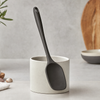
For those who love to cook and measure with precision, enhancing your kitchen with a silicone spoonula ensures easy mixing and scraping of measured ingredients.

Please upload banner from store admin blog pages