Baking Rack Guide: Types, Uses & Top Picks for 2026
baking rack
What Is a Baking Rack and Why Do Home Bakers Need One?
A baking rack is a wire grid designed to elevate food during or after cooking. It allows air to circulate underneath cookies, cakes, roasted vegetables, and meats, preventing sogginess and speeding up cooling. Whether you're pulling cookies from the oven or crisping bacon, a quality rack helps you get more consistent results.
Core Functions of Baking Racks in Everyday Baking
Racks serve three primary roles. First, they cool baked goods evenly by letting air flow around all surfaces, reducing carryover cooking that turns crisp edges soft. Second, oven-safe wire racks elevate proteins and vegetables above drippings, creating crispier skin and roasted textures. Third, they support vertical storage for cookies, cakes, and bread, freeing up counter space during holiday baking.
Baking Rack vs Cooling Rack: Key Differences Explained
The terms overlap, but not all cooling racks are oven-safe. Cooling racks are designed for countertop use after baking, typically with thinner wires and lower heat tolerance. Oven-safe racks use thicker stainless steel construction rated for high temperatures, often 450°F or above. If your rack lacks explicit oven-safe labeling, treat it as cooling-only to avoid warping or coating damage.
Common Pain Points That Baking Racks Solve for Home Chefs
Pros
- Prevents soggy bottoms on cookies, pastries, and fried foods
- Enables even browning on roasted meats and vegetables
- Can speed cooling compared to flat surfaces
- Maximizes counter space during multi-batch baking
Cons
- Cheap models warp under high heat, ruining pan fit
- Chrome-plated options can rust after repeated dishwasher cycles
- Thin wires bend under heavy roasts or sheet pans
- Poor sizing leaves gaps or overhangs on standard pans
Pairing your rack with heat-resistant tools helps with safer transfers. DI ORO's award-winning spatulas, tested to 600°F and made with pro-grade silicone that’s BPA-free and LFGB certified, let you flip and lift without scratching racks or melting mid-task. Explore our award winning kitchen utensils for the best baking experience.
Types of Baking Racks for Home and Commercial Kitchens

Understanding rack categories helps you match tools to tasks. Home bakers typically need one oven-safe rack for roasting and one countertop rack for cooling, while commercial kitchens often use full-size sheet pan compatibility and multi-tier storage stands.
Cooling Racks, Oven-Safe Wire Racks, and Storage Options
Countertop cooling racks prioritize airflow with tighter wire spacing to prevent small cookies from slipping through. Oven-safe wire racks feature reinforced construction and raised edges to contain drippings when placed inside sheet pans. Rack stands stack multiple tiers vertically, which helps during holiday prep when counter space disappears.
Shapes and Sizes: Round, Rectangular, and Sheet Pan Compatible
Rectangular racks dominate because they fit standard half-sheet (13 x 18 inches) and quarter-sheet (9 x 13 inches) pans. Round racks suit layer cakes and pies but offer less versatility. Measure your pans first: a rack should sit inside the pan rim with about 1/4-inch clearance on all sides for proper fit and stability.
| Rack Type | Best For | Typical Size | Oven-Safe |
|---|---|---|---|
| Countertop Cooling | Cookies, cakes, pastries | 10 x 15 to 12 x 17 inches | Rarely |
| Sheet Pan Wire Rack | Roasting, bacon, vegetables | Fits half-sheet pans | Yes (often 450°F+) |
| Round Cooling Rack | Layer cakes, pies | 10- to 12-inch diameter | No |
| Multi-Tier Stand | Batch cooling, storage | Holds 3–6 racks | No |
Home Use vs Professional: Finding the Right Fit
Home kitchens rarely need commercial-grade full-size racks designed for 18 x 26-inch sheet pans. A pair of half-sheet compatible racks handles most tasks, from weeknight dinners to holiday cookie swaps. Pros often benefit from heavier-gauge wire and cross-bracing that supports large roasts without flexing.
Materials and Durability: Choosing a Rack That Lasts
Material choice determines whether a rack lasts for years or fails quickly. Stainless steel is common in pro kitchens because it resists rust, tolerates dishwasher cycles, and holds up under heavy loads. Chrome-plated steel costs less but can chip over time, exposing bare metal that rusts when moisture hits. Nonstick coatings may seem convenient, but some can degrade with repeated high-heat use.
Stainless Steel, Chrome-Plated, and Nonstick Options
Stainless steel racks made with 304-grade steel tend to offer the best longevity. They handle acidic marinades, high-heat roasting, and scrubbing without the same coating risks. Chrome-plated alternatives can work for light-duty cooling but may fail under oven stress if the plating starts to blister or peel. Nonstick racks can be easier to clean, but many are not suited to higher oven temps, so always follow the manufacturer’s rating.
| Material | Heat Tolerance | Dishwasher Safe | Durability |
|---|---|---|---|
| 304 Stainless Steel | Often 500°F+ | Yes (varies by brand) | Long-lasting with care |
| Chrome-Plated Steel | Often 350°F max | Limited; plating can chip | Shorter lifespan |
| Nonstick Coated | Often 400°F max | Usually hand-wash | Can wear over time |
Oven-Safe Features and Heat Resistance Standards
Legitimate oven-safe racks display explicit temperature ratings, typically 450°F to 575°F. Wire gauge matters: thicker wires support heavier roasts without sagging, while thinner wires suit lighter cooling tasks. Cross-bracing underneath helps prevent center collapse when loaded with a full sheet pan of chicken thighs or root vegetables. Avoid racks with silicone feet or plastic handles unless they’re removable, since many materials are not rated for higher heat.
Avoiding Warping, Rusting, and Bending Issues
Warping can happen when a rack meets sudden temperature swings. Don’t place a cold rack into a fully preheated oven, and don’t run a hot rack under cold water. Rust can develop when moisture sits in crevices, so dry racks right after washing. Bending is more likely when wire spacing is wide without reinforcement bars. Better racks use welded joints at many wire intersections, not only at the corners.
Pro Tip: Pair a stainless steel rack with DI ORO’s heat-resistant spatulas and turners. Our award-winning tools, tested by America’s Test Kitchen and rated to 600°F, use pro-grade silicone that’s BPA-free and LFGB certified. They help you transfer food without scratching metal surfaces or melting during high-heat cooking. Check out our full Designer Series collection for top spatulas and turners.
How to Pick the Best Baking Rack for Your Kitchen Needs
Smart selection starts with measuring your existing cookware. A rack that doesn’t fit your sheet pans wastes money and counter space, while oversized models may not fit comfortably inside your oven. Match dimensions to your most-used pans, prioritize oven-safe construction if you roast regularly, and consider storage constraints before buying multiples.
Matching Sizes to Sheet Pans and Oven Dimensions
Standard half-sheet pans measure 13 x 18 inches, so your rack should be roughly 12 1/2 x 17 inches to sit inside with a little clearance. Quarter-sheet pans often work best with an 8 1/2 x 12-inch rack. Measure your oven’s interior width and depth before buying if you’re working with a compact oven, since tight fits can create uneven heating. If you bake on rimless sheets, choose cooling racks sized to match those pans.
Top Picks for Cooling Cookies, Cakes, and Roasts
Cookie cooling usually calls for tight wire spacing to keep smaller treats from slipping through. Cake layers need a flat, stable surface without center sag, so look for cross-braced models. Roasting calls for oven-safe racks that nest inside sheet pans to contain grease and drippings while still letting hot air circulate.
Features Worth Paying For
- Welded wire intersections that hold under load
- Reinforcement bars spanning the rack’s length
- Dishwasher-safe stainless steel with no coating
- Folding feet for compact storage (when designed for oven use)
Red Flags to Avoid
- Missing temperature ratings or vague “oven-safe” claims
- Spot-welded corners that flex when pressed
- Wire spacing wider than 1/2 inch without support
- Silicone or rubber components that aren’t removable
Storage Solutions for Small Kitchens
Vertical storage helps in tight spaces. Hang racks on cabinet doors using adhesive hooks rated for the weight, or slide them into a narrow gap beside your refrigerator. Nesting racks with graduated sizes can stack inside each other to reduce footprint. Multi-tier stands hold several racks in the space one would occupy flat, which is handy during holiday baking.
Maximize Your Rack with DI ORO Kitchen Tools

A quality rack deserves equally reliable tools. Melted spatulas, scratched surfaces, and awkward transfers can sabotage results even when your rack performs well. DI ORO utensils are built with pro-grade materials and thoughtful design that home chefs (and plenty of pros) count on.
Pairing Racks with Heat-Resistant Spatulas and Turners
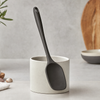
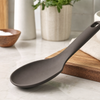
Our seamless silicone spatulas, recognized by America’s Test Kitchen as the best all-purpose spatula, handle 600°F without melting or warping. Their flexible edges slide under cookies and pastries on wire racks without scratching stainless steel surfaces. The stainless steel core adds rigidity for lifting heavier foods from oven to counter without bending mid-transfer. Try the DI ORO Seamless Spatula for effortless baking.
Complete Workflow Tips for Cooling and Transfer
Place your oven-safe rack inside a sheet pan before adding food to contain drippings and simplify cleanup. After roasting, use DI ORO’s slotted turner to move proteins directly from rack to a serving platter, letting excess fat drain. For baked goods, slide a thin spatula under each item while still warm to reduce sticking as they cool. If you’re batch baking, move cooled items to a second rack so the first one is ready for the next tray.
Why DI ORO’s Award-Winning Tools Support Better Baking
We use pro-grade silicone that’s BPA-free and LFGB certified because what touches your food matters. We back our tools with our Forever Warranty. Whether you’re tackling soufflés or dialing in holiday roasts, DI ORO is here for home chefs who cook with heart and don’t settle for tools that melt, scratch, or cut corners on food safety.
Ready to upgrade your baking setup? Explore DI ORO’s collection of heat-resistant spatulas, turners, and utensils designed for home chefs who dream big. Each tool is built for real cooking so you can focus on the food, not equipment frustrations.
Long-Term Care and Maintenance for Racks
Proper maintenance can keep a rack working well for years. Stainless steel racks are often dishwasher-safe, but hand washing with hot, soapy water can help prevent mineral buildup and dulling. For baked-on grease, soak racks in a mixture of baking soda and hot water for 30 minutes, then scrub with a nonabrasive pad. Dry right after washing to prevent water spots and reduce the chance of rust in joints.
Preventing Damage During Storage and Use
Store racks vertically in cabinet dividers or hang them on wall-mounted hooks to avoid stacking weight that can bend wires over time. When using racks in the oven, place them on the middle position for even heat distribution. Avoid dragging heavy pans across wire surfaces, which can scratch stainless steel or damage chrome plating. Let racks cool naturally after oven use rather than shocking them with cold water.
When to Replace or Upgrade Your Rack
Replace racks showing rust spots, loose wire joints, or permanent warping that prevents flat seating inside pans. Chrome plating that chips exposes bare metal prone to corrosion and possible food-contact issues. If your rack sags noticeably under the weight of a loaded sheet pan, the wire gauge may be too light for your cooking style. Upgrading to a higher-quality stainless steel rack can end the cycle of replacing cheap ones.
Investment Protection: Quality racks paired with the right tools can last a long time. DI ORO’s heat-resistant spatulas and turners help protect metal surfaces during transfers. Our pro-grade silicone is BPA-free and LFGB certified, and our Forever Warranty covers your tool if anything goes wrong. Consider adding the Designer Flexible Cookie Turner Spatula for delicate handling.
Creative Uses for Racks Beyond Basic Baking
Racks solve problems beyond cookies and cakes. Their elevation and airflow make them one of the most versatile tools in a home kitchen.
Roasting Proteins and Vegetables
Place an oven-safe wire rack inside a sheet pan before roasting chicken, pork chops, or salmon. Fat drips away from the protein, which helps the surface brown instead of steaming in its own juices. The same method works for vegetables: roast Brussels sprouts or potato wedges on a rack for better browning without constant flipping.
Bacon, Frying, and Draining Applications
Baking bacon on a rack reduces stovetop splatter and can cook strips more evenly. The rendered fat collects in the pan below for easy disposal (or saving, if that’s your move). After frying foods like chicken tenders or doughnuts, transfer them to a cooling rack instead of paper towels. The wire surface drains excess oil while helping the coating stay crisp.
Glazing, Decorating, and Multi-Layer Projects
Set a cooling rack over parchment paper when glazing cakes, doughnuts, or cookies. Excess glaze drips through the wires onto the paper below, which helps you avoid messy pooling around the base. For decorated sugar cookies, use multiple racks (or a tiered stand) to dry royal icing while saving counter space.
| Application | Rack Benefit | Best Rack Type |
|---|---|---|
| Oven Roasting | Fat drains away; better browning | Oven-safe wire rack |
| Bacon Cooking | More even cooking, less mess | Sheet pan–compatible rack |
| Glazing Baked Goods | Drip-through helps prevent pooling | Tight-wire cooling rack |
| Drying Herbs/Pasta | Airflow speeds drying time | Multi-tier stand |
Final Recommendations for Building Your Complete Baking Setup

The right rack can help you cook with more consistency. Start with two half-sheet compatible racks: one oven-safe stainless steel model for roasting and one tight-wire cooling rack for baked goods. That combo covers most everyday needs without cluttering your kitchen.
Essential Features That Are Non-Negotiable
Look for 304-grade stainless steel construction with welded wire intersections. If you plan to roast, verify an oven-safe temperature rating of at least 450°F. Choose wire spacing under 1/2 inch for cooling smaller items, and consider cross-bracing to prevent center sag under heavier loads. Skip chrome-plated and low-temp nonstick options if you want long-term durability.
Pairing with Tools for a Complete Workflow
Your baking rack performs best when paired with utensils that match its build quality. DI ORO’s award-winning spatulas, tested by America’s Test Kitchen and rated to 600°F, are made with pro-grade silicone that’s BPA-free and LFGB certified. They slide under delicate cookies without scratching and help lift heavier foods with confidence thanks to a stainless steel core. Browse our baking accessories collection to complete your setup.
Future-Proofing Your Kitchen Investment
Quality racks can last a long time with basic care. As your skills grow, add specialized options for specific jobs: a round rack for layer cakes, a compact quarter-sheet rack for toaster ovens, or a multi-tier stand for big baking days. Each addition expands what you can do without requiring complicated new gear.
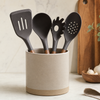
Ready to elevate your baking game? Pair your new rack with DI ORO’s complete line of heat-resistant kitchen tools. Every spatula, turner, and spoon is designed for home chefs who refuse to settle for tools that melt, scratch, or compromise food safety. Cook boldly. Flip confidently. Serve like a pro.
Frequently Asked Questions
What is a baking rack used for in the kitchen?
A baking rack is a wire grid designed to elevate food, allowing air to circulate around it during or after cooking. This helps prevent soggy bottoms on baked goods, speeds up cooling, and promotes even browning on roasted items. It's a versatile tool for home chefs aiming for consistent results.
Can all cooling racks be used in the oven?
No, not all cooling racks are designed for oven use. Cooling racks are primarily for countertop cooling and often have thinner wires with lower heat tolerance. Oven-safe racks are typically made with thicker stainless steel and are explicitly rated for high temperatures, often 450°F or above. Always check for an "oven-safe" label before placing a rack in your oven.
What should I look for when choosing an oven-safe baking rack?
When selecting an oven-safe baking rack, look for durable materials like 304-grade stainless steel, which resists rust and high heat. Thicker wires and cross-bracing are important for supporting heavier foods without sagging. Ensure it has an explicit temperature rating, usually 450°F or higher, to confirm its oven safety.
Why is a baking rack helpful for home bakers?
A baking rack is a game-changer for home bakers because it prevents soggy bottoms on cookies and pastries by allowing air to flow underneath. It also helps cool baked goods evenly, stopping carryover cooking that can make crisp edges soft. Plus, it frees up counter space during busy baking sessions.
What are the main benefits of using a baking rack for roasting meats and vegetables?
Using a baking rack for roasting elevates proteins and vegetables above drippings, which promotes crispier skin and more evenly roasted textures. The air circulation around all surfaces helps achieve consistent browning. This means more delicious, restaurant-quality results right in your home kitchen.
What materials offer the best durability for baking racks?
For lasting durability, stainless steel, especially 304-grade, is an excellent choice for baking racks. It stands up to high heat, resists rust, and is generally dishwasher safe. While chrome-plated options are cheaper, they can chip and rust over time, making stainless steel a better long-term investment for your kitchen.

Please upload banner from store admin blog pages