Aluminum Foil Non-Stick: Which Side to Use? 2026 Guide
aluminum foil non stick side
Which Side of Aluminum Foil Is the Non-Stick Side?
Here’s the truth: standard aluminum foil doesn’t have a non-stick side. The shiny and dull finishes are purely a byproduct of how foil is manufactured, not a functional difference. During the final rolling process, two layers of foil are pressed together. The side touching the rollers comes out shiny; the side pressed against the other foil sheet comes out dull. That’s it. No coating, no special treatment, and no difference in how food sticks to either surface.
Understanding Shiny vs. Dull Sides from Manufacturing
The milling process creates the appearance difference, but both sides are identical aluminum with the same thickness and properties. You can use either side against your food without any change in cooking performance or sticking. The only exception is if you’ve purchased specialty non-stick foil, which we’ll cover next.
Non-Stick Foil: Spotting the Coated Side
Non-stick aluminum foil is a different story. This product features a food-safe silicone or polymer coating on one side, usually the dull side, designed to prevent sticking. The packaging will clearly label which side is coated. If you’re using this type, place the coated (typically dull) side against your food. Regular foil? Pick whichever side you like.
Standard Foil: Myths About Natural Non-Stick Properties
No side of regular aluminum foil is naturally non-stick. Both will stick to sticky foods like cheese, sugary glazes, or marinated meats. If you want to prevent sticking without buying specialty foil, lightly oil or butter the foil before adding food, or use parchment paper underneath.
| Foil Type | Shiny Side | Dull Side | Best Use |
|---|---|---|---|
| Standard Aluminum Foil | Identical to dull side | Identical to shiny side | Either side works equally |
| Non-Stick Coated Foil | Uncoated aluminum | Silicone-coated surface | Dull (coated) side toward food |
Does the Shiny Side Reflect Heat Better? Busting Common Myths
The short answer: no meaningful difference. While the shiny side does technically reflect a tiny bit more radiant heat than the dull side, the difference is so small it won’t affect your cooking. America’s Test Kitchen and other testing labs have found that food cooks at the same rate regardless of which side faces up or down.
The Science Behind Shiny and Dull Side Heat Conductivity
Aluminum conducts heat exceptionally well, so any heat that hits the foil transfers through both sides almost instantly. The reflectivity difference between shiny and dull surfaces matters in controlled physics experiments, not in your 400°F oven where conduction and convection dominate.
Test Kitchen Results: No Real Difference in Cooking
Professional test kitchens have baked identical dishes with foil oriented both ways. The result? No detectable difference in browning, cooking time, or final temperature. Your oven’s heat source, pan material, and food placement matter far more than the aluminum foil non stick side you choose.
When Side Orientation Might Matter (Solar Ovens Aside)
The only scenario where reflectivity plays a role is in solar cooking or reflective insulation applications where you’re deliberately bouncing light or radiant heat. In conventional cooking, grilling, or baking, ignore the sides and focus on proper wrapping technique instead.
Shiny Side Up
Pros
- Looks slightly nicer for presentation
- Easier to spot for cleanup
Cons
- No cooking performance advantage
- Same sticking potential as the dull side
Best Ways to Use Aluminum Foil for Grilling, Baking, and Storage
Now that we’ve cleared up the side confusion, let’s talk about using foil effectively. The key to success isn’t which side of foil to use in oven applications—it’s how you prep and position it.
Side Recommendations for Hot Foods and Ovens
For standard foil, use either side. For non-stick foil, place the labeled non-stick side against your food. When covering dishes to retain moisture, crimp the edges tightly to trap steam. When you want browning, tent the foil loosely or remove it for the final 10 minutes of cooking.
Grilling and Packet Meals: Preventing Sticking
Foil packets are perfect for fish, vegetables, and delicate foods on the grill. To prevent sticking, lightly coat the inside of your foil with oil or cooking spray before adding ingredients. Double-layer your foil for extra durability and seal edges with tight folds to lock in moisture and flavor.
Pro Tip: When grilling acidic foods like tomatoes or citrus, limit direct foil contact. Acid can react with aluminum at high heat, causing pitting and a metallic taste. Use parchment paper as a barrier, or switch to silicone baking mats for worry-free cooking.
Storage and Freezing: Locking in Freshness Without Waste
Foil helps protect food from freezer burn. Wrap items tightly, pressing out air pockets, then add a second layer or place them in a freezer bag for maximum protection. Label with a marker directly on the foil. For short-term refrigerator storage, foil works well for covering bowls and wrapping sandwiches, though reusable containers are a more sustainable choice.
Quick Storage Wins with Foil
- Wrap baked potatoes while hot to keep them steamy for up to an hour
- Cover rising dough to maintain warmth and humidity
- Protect cookie dough logs in the freezer for slice-and-bake convenience
- Shield pie crusts from over-browning by tenting edges halfway through baking
Is Aluminum Foil Safe? Addressing Toxicity and Food Contact Concerns
You’ve probably seen the question “which side of aluminum foil is toxic” pop up online. The answer: neither. Both sides of aluminum foil are made from the same material and are equally safe for food contact when used properly. In the U.S., aluminum foil is commonly used for cooking and storage. Under normal cooking conditions, there’s no evidence that one side is safer than the other.
No Toxicity from Either Side: What the Experts Say
Aluminum naturally occurs in many foods and in drinking water. Your body may absorb tiny amounts of aluminum from foil during cooking, especially with acidic or salty foods, but the amount is generally small. If you’re concerned, the simplest move is to avoid prolonged cooking of highly acidic foods in direct contact with foil. For official guidelines on food additives and ingredients, consult the FDA’s food additives information.
Temperature Limits and Safe Handling Practices
Aluminum foil remains stable at temperatures far above typical home oven use. That said, high heat combined with acidic ingredients like tomatoes, vinegar, or lemon juice can increase the amount of aluminum that transfers into food. To minimize this, avoid prolonged high-heat cooking of acidic dishes in direct foil contact, or use parchment paper as a barrier layer.
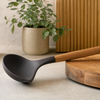
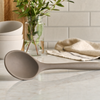
Safety Smart: Never use foil in the microwave. Metal can cause sparking and damage. Stick to microwave-safe glass or ceramic containers, or reheat on the stovetop with the right tools like the Seamless Soup Ladle.
Eco-Friendly Foil Options for Conscious Cooks
Aluminum foil is recyclable, but it takes a lot of energy to produce. If sustainability matters to you, rinse used foil (when practical) and recycle it if your local program accepts it. Better yet, reduce foil use altogether. Reusable silicone baking mats, glass storage containers, and beeswax wraps can replace foil in many day-to-day tasks. When you do need foil, look for recycled aluminum foil to help close the loop.
Smarter Alternatives to Foil: Discover DI ORO Silicone Tools
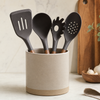
Let’s be honest: foil is convenient, but it’s a single-use solution that often sticks, tears, and ends up in the trash after one meal. If you’re tired of wrestling with crumpled foil or scraping stuck-on food, it’s time to meet tools designed for repeat use. At DI ORO, we build silicone kitchen tools that help home chefs cook with confidence, batch after batch.
Why Premium Silicone Beats Foil for Non-Stick Performance
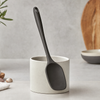
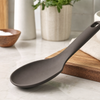
Pro-grade silicone naturally resists sticking without coatings or extra prep. Unlike foil, which often needs oil or butter to keep food from clinging, DI ORO spatulas glide under eggs, flip delicate fish, and scrape bowls clean. They’re heat-resistant to 600°F, dishwasher safe, and BPA-free. Check out our DI ORO Spatula for the best in seamless silicone design.
DI ORO Spatulas in Action: Real Kitchen Tests vs. Foil
America’s Test Kitchen named DI ORO’s Seamless Silicone Spatula the best all-purpose spatula, praising its durability and versatility. Food Network recognized our spoonula as a top pick for its ability to handle everything from sautéing to serving. When you’re grilling fish or baking sticky glazed chicken, a DI ORO spatula gets under the food cleanly and helps protect your pans and your meal. Explore our Silicone Spoonula as a versatile kitchen essential.
Health Benefits and Forever Warranty for Lasting Reliability
Our silicone is BPA-free, LFGB-certified, and manufactured without harmful chemicals, so you can cook with peace of mind. Every DI ORO tool is backed by our Forever Warranty: if it breaks, we replace it. No receipts, no hassle.
| Feature | Aluminum Foil | DI ORO Silicone Tools |
|---|---|---|
| Non-Stick Performance | May require oil or spray; still sticks to some foods | Naturally non-stick with minimal prep |
| Reusability | Often single-use, creates waste | Dishwasher safe, lasts for years |
| Heat Resistance | High heat tolerance but can tear | Up to 600°F with flexible durability |
| Chemical Safety | Can transfer aluminum with acidic foods | BPA-free, LFGB-certified |
| Pan Protection | Can scratch if crumpled against delicate surfaces | Safe for all cookware, including nonstick |
| Warranty | None | Forever Warranty |
Your Aluminum Foil Non Stick Side Questions, Answered
The bottom line on the aluminum foil non stick side debate: with standard foil, it doesn’t matter. Use whichever side you prefer because they’re functionally identical. With specialty non-stick foil, place the labeled coated side against your food. The shiny side doesn’t reflect more heat in any meaningful way, and neither side is toxic when used properly.
When you need foil for wrapping, covering, or grilling, focus on technique over side selection. Oil the surface to reduce sticking, crimp edges tightly for moisture retention, and avoid prolonged contact between acidic foods and foil at high heat. Recycle clean foil when you’re done, and consider reusable alternatives for repeat tasks.
If you cook often, the best move is to cut down on disposable foil and keep reliable tools within reach. DI ORO’s silicone spatulas and kitchen tools are built for everyday cooking: dependable release, easy cleanup, and materials you can feel good about using. Browse our Designer Series kitchen spatulas to upgrade your utensil collection.
Ready to upgrade your kitchen? Explore DI ORO’s most versatile spatula and see why home chefs who demand more choose tools that perform day after day.

Please upload banner from store admin blog pages