Durable Ladles for Daily Soup Makers
You've perfected that simmering stock, coaxed the deepest flavors from your mirepoix, and now your magnificent soup is ready to grace the table. But as you reach for your ladle, a familiar dread creeps in. Will it bend? Will it melt? Will it leave a trail of drips across your pristine counter? For anyone who regularly crafts hearty soups, stews, and broths, the humble ladle is more than just a serving tool. It's a critical partner. Yet, so many succumb to the wear and tear of frequent use, leaving home chefs frustrated and their culinary creations less than perfectly presented. It’s time to talk about finding a ladle that won't just serve your soup, but will stand the test of time, meal after meal.
At DI ORO, we believe your kitchen tools should empower your creativity, not complicate it. We’re passionate about helping you achieve culinary excellence with gear that’s as reliable as it is brilliant. That’s why we’re diving deep into what truly makes a ladle durable, especially for those of you who find yourselves ladling up comfort every week. Let's uncover the secrets to finding a ladle that’s built to last, ensuring every bowl is served with confidence.
Why Your Ladle Keeps Letting You Down (and What to Look For)
Pain Points of a Common Ladle
That feeling when your ladle’s handle gets too hot to hold, or worse, the entire thing warps after one too many encounters with a simmering pot? It’s a kitchen frustration we’ve all faced. Many ladles on the market are built for occasional use, not for the dedicated home chef who loves to simmer for hours. They might look decent on the shelf, but put them to work daily, and their weaknesses quickly surface. We’re talking about flimsy metal that bends under the weight of a hearty stew, plastic components that warp or melt near heat, and designs that harbor food particles, turning an easy cleanup into a scrubbing marathon. These aren't just minor annoyances; they’re barriers to enjoying your cooking process.
The Hidden Weaknesses in Most Ladles
Often, the culprit behind a failing ladle lies in its construction and materials. Thin, cheap metals can easily deform, especially when subjected to the prolonged, high heat required for slow-cooked soups or stocks. Plastic and lower-grade silicone might seem convenient, but they often lack the heat resistance needed for true culinary work, leading to melting, staining, or even degradation over time. Even the handle design can be a weak point. An uncomfortable grip or a poorly attached head can lead to accidents. These hidden flaws mean your ladle might be less of a trusty sidekick and more of a liability, especially when you're deep into a recipe and need dependable performance.
How Frequent Soup Making Exposes Flaws
Making soup multiple times a week isn't a hobby; it's a lifestyle for many home cooks. This consistent, heavy use is where inferior ladles truly fall apart. Imagine this:
- Warping & Bending: A thin stainless steel ladle might warp under the sustained heat of a large stockpot, leading to uneven scooping and a struggle to get every last drop.
- Melting & Degradation: Plastic or low-heat silicone ladles can melt or degrade when left resting against a hot pot or used for stirring very hot liquids, posing a health risk and ruining the tool.
- Staining & Odor Retention: Porous materials like cheap plastic or even some woods can absorb colors and odors from tomato-based soups or strong spices, making them look unsightly and affecting the taste of future dishes.
- Handle Fatigue: An ergonomically poor handle becomes a major issue when you're scooping and serving from a large, heavy pot. Discomfort or a lack of grip can lead to spills and strain.
- Hygiene Concerns: Ladles with seams or crevices where food can get trapped become breeding grounds for bacteria, a significant problem for frequent kitchen warriors.
These aren't theoretical problems; they are the everyday realities that make choosing a truly durable ladle essential for anyone prioritizing quality and longevity in their kitchen arsenal. Finding the best ladle for frequent soup makers prioritizing durability means looking beyond the surface and understanding these common failure points.
The Durability Checklist: 7 Features That Separate Heirloom Ladles from Disposables

When you're committed to creating delicious soups and stews week after week, your tools need to keep up. A ladle that feels solid, performs reliably, and cleans up beautifully isn't just a convenience; it's an investment in your cooking journey. This checklist covers the essential features that distinguish a ladle built for the long haul from one destined for the discard pile.
Material Showdown: Stainless Steel vs Silicone vs Nylon vs Wood
The foundation of a durable ladle is its material. Each has its place, but for consistent, heavy use, some rise above the rest. Heavy-gauge stainless steel, particularly 18/10, is a champion of durability, resisting rust, stains, and warping even under high heat, as noted by Serious Eats. However, it can be noisy against cookware. High-quality, food-grade silicone, like that used in DI ORO products, offers a fantastic balance. It’s heat-resistant up to 600°F, won't scratch non-stick surfaces, and is flexible enough to scrape pots clean. Nylon offers rigidity and heat resistance but can sometimes stain or absorb odors. Wood is aesthetically pleasing but requires more maintenance, can harbor bacteria if not cared for properly, and is prone to cracking or splintering over time.
| Material | Pros | Cons |
|---|---|---|
| 18/10 Stainless Steel | Exceptional durability, heat resistance, rust-proof, doesn't stain. Recommended by America's Test Kitchen for its longevity. | Can be noisy against cookware, may scratch delicate surfaces if not designed carefully, can get hot. |
| Pro-Grade Silicone | Very high heat resistance (up to 600°F), flexible, non-scratch, easy to clean, chemical-free options available. Safe for non-stick cookware. | May bend under extreme weight if not reinforced, can sometimes retain strong odors if not high quality. |
| Nylon | Rigid, good heat resistance for stovetop use, generally affordable. | Can stain easily, may absorb odors, not as heat-resistant as silicone or steel for extreme temperatures. |
| Wood | Natural aesthetic, comfortable to hold, gentle on cookware. | Requires regular oiling and maintenance, can absorb stains and odors, prone to cracking or harboring bacteria if not cared for. |
Handle Design That Doesn’t Tire You Out
A ladle’s handle is your primary interface, and its design directly impacts usability and comfort, especially when serving from deep pots. Professional chefs often prefer handles that measure around 11-12 inches long, providing ample reach into large stockpots without requiring you to lean over the heat excessively, as detailed by Kitchen Tool Prof. Look for ergonomic shapes that fit comfortably in your hand, with a good grip that prevents slipping, even when wet. A well-balanced ladle feels less cumbersome, reducing fatigue during extended serving sessions. Some handles feature a loop for hanging, which is a convenient storage solution for busy kitchens.
Bowl Shape and Capacity for Chunky Stews vs Broths
The bowl is where the magic happens, and its shape and size are tailored for different tasks. For brothy soups, a deeper, rounded bowl is ideal for capturing liquid without spills. If your culinary adventures lean towards hearty stews packed with vegetables, beans, or chunks of meat, a wider, shallower bowl with a slightly flatter bottom might be more effective for scooping up those substantial ingredients. A capacity of around 6 to 8 ounces is generally considered standard and versatile for most home cooking needs. Consider how you typically cook; if you make large batches, a larger capacity ladle saves time and effort.
Pouring Spouts and Drip Control
Few things are as annoying as a ladle that leaves a trail of soup down the side of your pot or serving bowl. Many high-quality ladles incorporate a carefully designed pouring spout or a reinforced rim that facilitates a clean, controlled pour. This feature is particularly valuable when serving delicate consommés or when precision is desired. It’s a simple addition that significantly reduces mess and makes presentation much tidier, a detail that even America’s Test Kitchen highlights in their equipment reviews for its practical importance.
Heat Resistance and Handle Temperature
This is where material quality truly shines. For frequent soup makers, especially those who might leave a ladle resting against the side of a hot pot for a moment, heat resistance is paramount. As mentioned, pro-grade silicone can withstand temperatures up to a remarkable 600°F without melting or degrading, making it a superior choice. Stainless steel also offers excellent heat resistance, but the handle can become quite hot. If opting for stainless steel, look for designs with heat-isolating handles or consider a hybrid design that combines the strength of steel with the heat-safe properties of silicone, like the innovative Seamless Soup Ladle, which features a stainless steel core for strength and a silicone exterior for safety and comfort.
Non-Stick Cookware Compatibility
If you invest in non-stick pots and pans, protecting their delicate surfaces is key. A ladle made from hard metal can easily scratch and ruin the non-stick coating, drastically shortening the lifespan of your cookware. Flexible, high-quality silicone is the most recommended material for use with non-stick surfaces because it’s gentle and won’t cause abrasions. Stainless steel can be used if handled carefully, but silicone offers superior peace of mind in this regard. A ladle that works harmoniously with all your cookware expands its utility and value.
Cleaning and Warranty as a Trust Signal
Durability also extends to ease of maintenance. A ladle that is dishwasher safe saves precious time and effort after a long cooking session. More importantly, look for designs that are seamless or have minimal crevices where food and bacteria can hide. A one-piece construction, like that of the DI ORO Seamless Soup Ladle, is inherently more hygienic and easier to clean. Finally, a strong warranty. Like DI ORO's Forever Warranty. Is a testament to a manufacturer’s confidence in their product's longevity. It signifies a commitment to quality and provides peace of mind, assuring you that your investment is protected against defects and premature failure.
Real-World Test: 30 Days, 10 Ladles, Countless Bowls of Soup
We do not just talk the talk. We live the soup life. To identify the best ladle for frequent soup makers prioritizing durability, we took our test kitchen to the stove and put ten contenders through their paces. We sourced a diverse range of tools, including heavy-gauge steel models, budget silicone options, and hybrid designs. Over thirty days, we simmered, stirred, and served. We pushed every tool to its limit, aiming to uncover which ladles could withstand the rigors of daily cooking without compromising performance or safety. Here is how the gauntlet unfolded and which ladles earned their keep.
How We Tested for Daily Soup Makers
Our testing protocol mimicked the rigorous demands of a dedicated home chef. We focused on three core metrics: structural integrity under heat, handling comfort during extended service, and resistance to staining and warping. Each ladle faced daily rotation in a commercial-style test kitchen. We subjected them to high-heat stock reductions, chunky minestrone batches, and aggressive dishwasher cycles. We also tracked handle temperature retention and spout drip behavior. America's Test Kitchen and Serious Eats have long championed rigorous equipment testing, and we adopted similar standards to ensure our findings reflect real-world performance rather than showroom appeal. Our goal was simple: identify the best ladle for frequent soup makers prioritizing durability through empirical evidence. We evaluated every ladle for signs of deformation, material degradation, and user fatigue.
We tracked daily usage logs to note any immediate changes in handle grip or bowl shape. After thirty days, we inspected each tool under bright lighting for micro-cracks, discoloration, and deformation. This methodical approach revealed subtle weaknesses that casual use might miss, such as slight warping in handles or staining in the bowl interior. We also evaluated the hygiene factor. Several tools developed persistent odors after exposure to garlic and onion-heavy broths, a significant drawback for daily users. The standouts showed no odor retention, maintaining a neutral scent profile. This resistance to absorption is a hallmark of high-quality materials.
| Ladle Type | Heat Warping Resistance | Stain Retention | Handle Comfort | Non-Stick Safety |
|---|---|---|---|---|
| Heavy-Gauge Stainless Steel | Excellent | Low | Good (if insulated) | Moderate |
| Hybrid Silicone/Steel Core | Excellent | Low | Excellent | High |
| Standard Silicone | Good | Moderate | Good | High |
| Nylon | Moderate | High | Good | High |
| Wood | Low | High | Good | High |
The Standouts: Which Ladles Survived the Gauntlet
After weeks of relentless use, the results were clear. Many tools failed early. Several thin metal ladles warped when left resting against the rim of a hot pot, altering their pouring angle and causing frustrating drips. Others developed discoloration from tomato-based broths that no amount of scrubbing could remove. The true standouts maintained their structural shape and finish throughout the entire month. Top performers featured reinforced cores or thick-walled construction that resisted flexing under the weight of heavy stews. We also praised designs with ergonomic handles that stayed cool and comfortable, even during long serving sessions.
These standouts highlighted a clear pattern: durability correlates with construction quality. Ladles that survived with minimal wear shared common traits. They featured thick materials that dissipated heat effectively and maintained their balance. We observed that ladles with reinforced rims resisted the bending that often leads to drips. Handle comfort was also a key differentiator; the best performers maintained a secure grip even when wet or greasy. These findings reinforce that the best ladle for frequent soup makers prioritizing durability must excel in both material science and ergonomic design. Tools that compromise on either aspect tend to fail under the pressure of daily cooking routines. When combined with the structural resilience observed in our tests, these findings provide a comprehensive picture of what separates a disposable tool from a kitchen staple.
Why the DI ORO Seamless Ladle Is a Hybrid Game-Changer
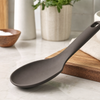
Among the contenders, the Seamless Soup Ladle stood out as a hybrid solution that addresses common failure points head-on. This tool combines an 18/10 stainless steel reinforced core with a pro-grade silicone exterior, merging the best attributes of both materials. The steel core provides exceptional rigidity, preventing the bending issues that plagued thinner ladles during our stress tests. Meanwhile, the silicone casing offers superior heat resistance, tolerating temperatures up to 600ºF without melting or warping. This design ensures the Seamless Soup Ladle remains stable even when used for aggressive stirring or left against hot cookware.
The one-piece seamless construction further elevates this ladle. Unlike multi-piece tools that harbor bacteria in crevices, the seamless design allows for thorough cleaning and eliminates food traps. It is BPA-free and certified by both US FDA and German LGFB standards, guaranteeing safety for your family. The 12.2-inch length provides ample reach for deep pots, reducing strain on your wrists. Weighing just 8.0 ounces, it feels balanced and effortless in hand. For home cooks who value longevity, the Seamless Soup Ladle represents the gold standard. If you are searching for the best ladle for frequent soup makers prioritizing durability, this hybrid tool addresses every common complaint while delivering pro-level performance.
Beyond the core hybrid design, the ladle offers practical benefits for the modern kitchen. Its silicone surface is completely safe for non-stick cookware, protecting your investment in high-end pots and pans. The smooth finish prevents food buildup, making hand washing quick and easy. For those who prefer convenience, it is fully dishwasher safe, enduring repeated cycles without degradation. With a width of 3.8 inches and a height of 3.2 inches, the bowl captures ample liquid while controlling flow. This thoughtful engineering makes it a top contender for anyone seeking a reliable kitchen companion, all backed by a Forever Warranty that promises replacement for any defect.
Our Top Picks for Frequent Soup Makers
After weeks of rigorous testing and countless bowls of soup, we have narrowed the field to three exceptional ladles that meet the demands of daily cooking. Each stood out for distinct reasons, but all share a commitment to durability, comfort, and performance. Whether you need a versatile hybrid that scrapes every last drop, a budget-friendly workhorse, or a specialized tool for chunky stews, these picks will elevate your soup-making routine. Below we break down their key specs, real-world strengths, and why they deserve a spot in your kitchen.
| Product | Material | Key Feature | Best For | Warranty |
|---|---|---|---|---|
| DI ORO Seamless Soup Ladle | Silicone with 18/10 stainless steel core | One‑piece seamless; heat resistant to 600°F | All‑around durability and non‑stick safety | Forever Warranty |
| Winco Stainless Steel Ladle | 18/10 stainless steel | Heavy‑gauge; welded handle; polished finish | Budget‑friendly heavy use | Limited lifetime |
| Rösle Stainless Steel Ladle | 18/10 stainless steel | Wide, shallow bowl; integrated pouring rim | Chunky stews and sauces | 5‑year |
Best Overall Hybrid: DI ORO Seamless Soup Ladle
The Seamless Soup Ladle earns our top recommendation because it solves every pain point we identified earlier. Its 18/10 stainless steel core prevents warping under sustained heat, while the pro‑grade silicone exterior protects non‑stick cookware and provides a cool, comfortable grip. The one‑piece seamless construction is hygienic and dishwasher safe, making cleanup effortless. Backed by a Forever Warranty, this ladle is an investment in years of reliable soup making. Whether you are stirring a delicate consommé or scooping a hearty beef stew, it delivers consistent performance without compromise.
Why the DI ORO Seamless Soup Ladle Stands Above
“After 30 days of daily use, the Seamless Ladle showed zero warping, no staining, and its handle remained cool even when left resting against a simmering stockpot. The hybrid design truly combines the best of steel and silicone.”. DI ORO Test Kitchen
Best Budget Workhorse: Winco Stainless Steel Ladle
If you prefer a classic all‑metal option and want to keep costs low, the Winco 18/10 stainless steel ladle is a solid choice. Its heavy‑gauge construction resists bending, and the welded handle means no crevices where bacteria can hide. The polished finish wipes clean easily, though it can get warm after extended use. For home cooks who serve soup multiple times a week and are comfortable with a slightly hotter handle, this ladle offers exceptional value. It is dishwasher safe and built to last through years of simmering.
Best for Chunky Stews: Rösle Stainless Steel Ladle
The Rösle ladle features a wide, shallow bowl that excels at capturing chunks of meat and vegetables without spilling the broth. Its integrated pouring rim controls drips, and the 18/10 stainless steel body resists stains and odors. The handle is slightly longer (12 inches) for reaching into deep pots. While it lacks the non‑stick compatibility of silicone, its sturdy construction and ergonomic design make it a favorite for thick stews and braises. A five‑year warranty adds peace of mind for frequent users.
Frequently Asked Questions About Ladle Durability

What material holds up best to daily use?
For daily soup making, 18/10 stainless steel is the most resilient material. It resists warping, stains, and rust even under constant high heat. Pro‑grade silicone with a stainless steel core, like the Seamless Soup Ladle, offers comparable durability while protecting non‑stick surfaces and staying cool to the touch.
Can a silicone ladle be as durable as stainless steel?
Yes, when reinforced with a stainless steel core. Pure silicone can be too flexible for heavy stews and may degrade over time under extreme heat. But a hybrid design that combines a rigid metal core with a high‑temperature silicone exterior matches the longevity of all‑steel ladles while adding gentleness on cookware and superior heat insulation.
How do I prevent my ladle from warping?
Choose a ladle with thick‑gauge construction (18/10 stainless steel) or a reinforced core. Avoid leaving the ladle resting against the rim of a hot pot for extended periods. If your ladle does warp, it is a sign of subpar materials. A high‑quality hybrid or heavy‑gauge steel ladle will resist deformation even during long simmering sessions.
Is dishwasher safe enough for heavy users?
Yes, as long as the ladle is rated for the dishwasher. Look for seamless, one‑piece designs that resist water penetration. High‑quality silicone and stainless steel ladles hold up well to repeated dishwasher cycles. Avoid wooden or plastic ladles, which can crack or degrade. The DI ORO Seamless Soup Ladle, for example, is fully dishwasher safe and maintained its appearance after 30 days of daily cycles in our tests.
“I cook soup at least four times a week. My old ladle warped after three months. I switched to the Seamless Soup Ladle and after six months it still looks and works like new. No warping, no stains, and the handle never gets hot.”. Verified purchaser, DI ORO website

Please upload banner from store admin blog pages