What Soup Ladle for Easy Cleaning & Hygiene?
what soup ladle if I want easy cleaning and hygiene
Dreaming of a perfectly seasoned stew, a creamy bisque, or a hearty chili? Serving up those comforting bowls is one of life's simple pleasures. But what about the tool used for ladling? If you’ve ever scrubbed furiously at a stained ladle or worried about what might be lurking in its nooks and crannies, you know the struggle is real. Finding a ladle that’s not only functional but also genuinely easy to clean and hygienic is key to a stress-free kitchen experience. We believe your tools should inspire confidence, not concern, and that’s precisely what we aim for at DI ORO.
Key Takeaways
- Choose a ladle with a seamless one-piece design to prevent food from getting trapped in crevices.
- Stainless steel resists stains and odors and is safe for the dishwasher, making cleanup effortless.
- A smooth, polished surface wipes clean quickly and leaves no place for bacteria to hide.
- Avoid ladles made of wood or plastic, as scratches and porous surfaces can harbor germs over time.
- Look for a handle that is securely attached without gaps or joints where moisture and residue can collect.
This isn't just about aesthetics; it's about the health and safety of your culinary creations. A ladle that harbors bacteria or is a pain to clean can quickly turn a joyful cooking session into a chore. So, let's dive into what makes a soup ladle truly excel in hygiene and ease of cleaning, and explore the materials and designs that stand up to the task. If you're asking what soup ladle if I want easy cleaning and hygiene, you've come to the right place. We’re here to guide you toward a tool that serves your food beautifully and keeps itself impeccably clean.
The Quest for the Perfect Soup Ladle: Prioritizing Hygiene and Effortless Cleaning
Why Your Ladle's Cleanliness Matters More Than You Think
Your soup ladle is more than just a serving utensil; it's a direct conduit between your pot and your plate. Every time it dips into a simmering broth or a rich sauce, it picks up more than just liquid. It can also pick up microscopic remnants of food particles and potential contaminants. If a ladle isn't designed for easy cleaning, these bits can get trapped in crevices, seams, or porous surfaces, creating a breeding ground for bacteria. According to the FDA, non-porous surfaces are significantly easier to clean and far less likely to harbor harmful microorganisms, making them the gold standard for food-contact items. A truly hygienic ladle ensures that the only thing transferred to your guests’ bowls is the delicious flavor you intended, not yesterday’s cooking residue or unwanted germs.
Decoding the Search: What 'Easy Cleaning & Hygiene' Really Means for a Ladle
When we talk about easy cleaning and hygiene for a soup ladle, we're looking for specific attributes that combat common kitchen frustrations. It means materials that resist staining and odor absorption, preventing lingering smells from past meals. It points to construction that eliminates nooks and crannies where food particles can hide and multiply. Think one-piece designs, smooth surfaces, and handles that don't have gaps where moisture can collect. Ultimately, a ladle that’s easy to clean and hygienic should be able to withstand regular washing, whether by hand or in a dishwasher, without degrading or becoming a potential health hazard. It’s about a tool that works *with* you to maintain a clean kitchen, not against you.
Introducing DI ORO's Approach to Kitchen Tool Excellence
At DI ORO, we’re partners in your culinary creativity. We understand that home chefs dream big and cook with heart, and that means providing tools that perform, last, and protect your health. Our philosophy centers on innovation and a health-first approach. We reject forever chemicals and prioritize materials that are not only functional but also safe for your family. We believe that kitchen tools should be a delight to use, bold enough to handle any recipe, and trusted to deliver consistent results. This commitment drives us to design products that simplify your life in the kitchen, ensuring that what touches your food matters. For us, a soup ladle isn't just a ladle; it's an extension of our promise to make your cooking experience better, healthier, and more enjoyable.
Material Matters: Unpacking Ladle Types for Peak Hygiene

The Non-Porous Powerhouse: Why Silicone Excels (and Why DI ORO Loves It)
When hygiene is paramount, non-porous materials take center stage. Silicone, especially the pro-grade variety DI ORO champions, stands out as a top contender. Its inherently non-porous nature means it doesn't absorb liquids, stains, or odors, making it incredibly resistant to bacteria growth and easy to wipe clean. This characteristic is a significant advantage for any kitchen tool that comes into contact with food. Furthermore, high-quality silicone is exceptionally heat-resistant, often up to 600ºF, allowing for safe use during cooking and easy sanitization in a hot dishwasher cycle. The FDA recognizes the importance of non-porous surfaces for food safety, and silicone aligns perfectly with these guidelines. It’s also gentle on cookware, preventing scratches on your valuable pots and pans, which adds another layer of kitchen-friendly performance.
Stainless Steel: The Durable Contender. Pros and Cons for Cleanliness
Stainless steel is a kitchen staple for good reason: it's durable, non-reactive, and can withstand high temperatures, often up to 500ºF, which aids in sanitization. Its non-porous surface is another major plus for hygiene, resisting stains and odors effectively. A well-constructed stainless steel ladle can last a lifetime, making it a sound investment. However, the primary concern with stainless steel ladles often lies in their construction. If a ladle is made of multiple pieces. Particularly if the handle is attached via rivets or a seam. These joints can become traps for food debris. Even with a non-porous material, these hidden areas can be challenging to clean thoroughly, potentially compromising overall hygiene. While the material itself is excellent, the design must be considered to ensure truly easy cleaning.
Nylon & Plastic: A Budget-Friendly Option with Caveats
Nylon and various plastic ladles often appeal to shoppers due to their lower price point. Like stainless steel, they can be non-porous and dishwasher safe, offering a degree of ease in cleaning. However, the quality and durability can vary significantly. Cheaper plastics and nylons are often less heat-resistant, meaning they can warp or melt if used in very hot dishes or left too close to a heat source. More importantly, some plastics can be prone to scratching over time. These scratches, even if microscopic, can create tiny crevices that harbor bacteria, diminishing the ladle's hygienic properties. While they might seem like a good initial choice, their longevity and resistance to wear and tear can make them a less ideal long-term solution for maintaining peak hygiene.
The Wood Dilemma: Beautiful but Bacteria-Prone?
Wooden utensils, including ladles, bring a natural warmth and aesthetic to the kitchen. They are generally safe for non-stick cookware and can be pleasant to use. However, wood presents significant challenges when it comes to hygiene. Wood is a porous material; research indicates it can absorb up to 20% of its weight in liquid. This absorption means that food particles and liquids can seep into the wood itself. If not dried meticulously and immediately after washing, this trapped moisture becomes an ideal environment for bacterial growth. While regular oiling can help seal the wood, it doesn't eliminate the inherent porosity. Sanitizing wooden items to the same degree as non-porous materials like silicone or stainless steel is difficult, making them a less favorable choice if strict hygiene is your top priority.
Hygiene Showdown: A Comparison Table of Ladle Materials
| Material | Porosity | Heat Resistance | Ease of Cleaning | Hygiene Potential | Pros | Cons |
|---|---|---|---|---|---|---|
| Silicone (Pro-Grade) | Non-Porous | Up to 600ºF | Excellent (Dishwasher Safe) | Excellent | Resists stains/odors, gentle on cookware, durable | Can be more expensive; quality varies |
| Stainless Steel | Non-Porous | Up to 500ºF | Good (if seamless) | Good (if seamless) | Very durable, long-lasting, heat resistant | Can have crevices if multi-piece; may scratch some surfaces if rough |
| Nylon/Plastic | Generally Non-Porous | Varies (often lower) | Good | Fair to Good (can scratch) | Budget-friendly, lightweight | Can warp/melt, prone to scratching over time, lower heat limits |
| Wood | Porous | N/A (can dry out/crack) | Fair (requires immediate drying) | Fair to Poor | Aesthetic appeal, gentle on cookware | Absorbs liquids/odors, difficult to sanitize, potential bacteria trap |
The Seamless Advantage: Design Features That Prevent Hidden Grime
Beyond the Material: Construction is Key to Avoiding Bacteria Traps
While material composition is fundamental to a ladle's hygiene, the way it's constructed plays an equally critical role. Even the most hygienic material can be compromised by poor design. Think about traditional kitchen tools: many are assembled from multiple parts. A head attached to a handle, often with rivets, screws, or seams. These connection points are notorious for trapping food particles, grease, and moisture. Over time, these hidden residues can become difficult to remove, even with thorough washing, creating an unsanitary environment right in your utensil drawer. This is precisely why DI ORO focuses on innovative construction methods that eliminate these potential problem areas, ensuring that every part of your ladle is as clean as the day you bought it.
The Gold Standard: Why One-Piece, Seamless Ladles Win the Hygiene Race
The ultimate solution to hidden grime is a one-piece, seamless design. This means the ladle head and handle are crafted from a single, continuous piece, with no joints, crevices, or overlapping parts. This construction method is a game-changer for hygiene. When there are no seams, there are no places for food particles to lodge and fester. A single, smooth surface allows for effortless cleaning, as you can wipe or rinse away any residue with ease. This design not only simplifies cleaning but also significantly reduces the risk of bacterial contamination. It’s a direct answer to the question of what soup ladle if I want easy cleaning and hygiene, by addressing the most common points of failure in traditional designs. DI ORO's commitment to this seamless approach ensures that your ladle remains sanitary and safe for everyday use.
Handle Design: Avoiding Moisture Traps and Easy Grip
The handle of a ladle is more than just something to hold; its design directly impacts both usability and hygiene. An ergonomic handle provides a comfortable and secure grip, preventing accidental slips, especially when dealing with hot liquids. For hygiene, the ideal handle design is smooth and free of any indentations or hollow areas where water can collect after washing. Some handles feature holes for hanging, which can be beneficial, but if these holes are not designed to allow complete drainage, they can become water traps. A well-designed handle, like those found on DI ORO tools, is typically a continuation of the seamless construction, offering a smooth, continuous surface that is easy to wipe down and dries completely, preventing mildew or bacterial growth.
Bowl Shape and Pour Spouts: Tips for Drip-Free Serving and Rinsing
Beyond the handle and overall construction, the shape of the ladle's bowl and any accompanying features can influence cleaning ease and serving efficiency. A well-proportioned bowl can hold a generous serving of soup or stew without excessive spillage. Features like pour spouts, often found on some ladle designs, aim to minimize drips when transferring liquid from the ladle to a bowl. While the primary function is to reduce mess during serving, these spouts must also be designed to be easily rinsed. A sharp, clean edge on the bowl and a smoothly integrated pour spout (if present) ensure that liquids drain cleanly and that no residual soup clings to the edges, making the post-meal cleanup simpler and more effective.
A Chef's Checklist: Features for a Truly Hygienic Ladle
To help you identify a ladle that prioritizes hygiene and ease of cleaning, consider this checklist:
- Seamless Construction: Is it a single piece with no joints or rivets between the head and handle?
- Non-Porous Material: Does it use materials like high-grade silicone or stainless steel that resist absorption of liquids, stains, and odors?
- Smooth Surfaces: Are all areas, including the handle and bowl, smooth and free of nooks or crannies?
- Easy to Grip Handle: Is the handle comfortable, secure, and designed to avoid moisture traps?
- Dishwasher Safe: Can it withstand high temperatures and detergents for effective sanitization?
- Heat Resistance: Is it safe to use with hot foods and in high-temperature cleaning cycles?
- Stain and Odor Resistance: Does the material naturally repel strong smells and discoloration?
By keeping these features in mind, you can confidently select a ladle that upholds the highest standards of kitchen cleanliness and makes your post-meal cleanup a breeze.
Your Ladle's Lifelong Cleanliness: A Pro Routine and Care Guide
Daily Cleaning: The Quick Rinse and Wash Technique
Maintaining a hygienic ladle starts with a simple routine immediately after use. The moment you’ve finished serving, give your ladle a quick rinse under hot running water. This helps to dislodge any immediate food particles before they have a chance to dry and stick. For most non-porous, seamless ladles, a quick wash with warm, soapy water using a soft sponge or cloth is sufficient for daily cleaning. Avoid abrasive scrubbers that could damage the material or create micro-scratches. The goal is to remove all visible food residue, ensuring that no lingering elements can become a breeding ground for bacteria. This simple step, performed consistently, goes a long way in preserving the ladle's hygienic qualities and extending its lifespan.
Deep Cleaning & Sanitization: Tackling Stubborn Residues and Germs
Even with diligent daily cleaning, occasional deep cleaning and sanitization are recommended, especially if your ladle has come into contact with raw ingredients or has been used for particularly sticky or colorful foods. For seamless silicone or stainless steel ladles, a thorough dishwasher cycle is an excellent method for both deep cleaning and sanitization. The high temperatures and strong detergents work to break down tougher residues and eliminate germs. If hand-washing, ensure you use hot water and a good quality dish soap. For stubborn stains or odors, a paste of baking soda and water can be gently applied and left to sit for a short period before rinsing. Proper sanitization ensures that your ladle is not just clean to the eye, but truly hygienic.
Dishwasher vs. Hand Washing: What's Best for Maximum Hygiene?
When it comes to achieving maximum hygiene, a high-quality dishwasher often has the edge, particularly for materials like silicone and stainless steel. Dishwashers utilize high-temperature water and powerful detergents that can effectively sanitize utensils. According to the FDA, non-porous surfaces are easier to clean, and the sustained heat in a dishwasher cycle is highly effective at killing bacteria. However, not all ladles are dishwasher safe, and some materials, like certain plastics or wood, can be damaged by the heat or harsh detergents. For ladles that are explicitly dishwasher safe, like the DI ORO Seamless Soup Ladle, this is generally the most effective way to ensure a deep clean and thorough sanitization. If hand-washing is your only option, be sure to use the hottest water available and allow the ladle to air dry completely.
When to Replace Your Ladle: Signs of Wear and Tear That Compromise Hygiene
Even the most durable kitchen tools eventually show signs of wear. For ladles, it's important to know when these signs begin to compromise hygiene. Look out for deep scratches or gouges, especially on plastic or lower-grade silicone ladles, as these create hidden pockets for bacteria. If a ladle has developed persistent stains or odors that cannot be removed through cleaning, it’s a sign that the material may be compromised or porous. For multi-piece ladles, check if the head has become loose or if there's any gapping where food could accumulate. If a ladle's material begins to degrade, warp, or show discoloration, it's time to replace it. A truly hygienic tool should maintain its integrity over time, and DI ORO designs its products to last, but knowing when to retire a tool is part of responsible kitchen practice.
DI ORO's Forever Warranty: Peace of Mind for Your Kitchen Tools
At DI ORO, we stand behind the quality and durability of our kitchen tools. We understand that investing in a high-quality ladle means expecting it to perform reliably for years to come. That's why our products, including our seamless ladles, are backed by the DI ORO Forever Warranty. This warranty means that if your tool is ever damaged or defective, we will replace it for free or offer a full refund. This commitment ensures that you can cook with confidence, knowing that your investment is protected. It’s our way of reinforcing our promise to provide you with trusted, long-lasting tools that contribute to healthier, more joyful cooking experiences. When you choose DI ORO, you're not just buying a product; you're gaining a partner in your culinary journey.
Finding Your Best Match: Top Ladle Picks for Easy Cleaning and Superior Hygiene
![[{"src":"//www.dioro.com/cdn/shop/files/DI_ORO_General_Sale_Banner_460x342_e5e3c30a-407a-4baa-8190-7e61a678daa8_300x.png?v=1672685635","alt":"DI ORO kitchen utensils sale banner highlighting durable, easy-to-use tools for home cooks."}]](https://cdn.shopify.com/s/files/1/2557/2604/collections/kitchen-utensils-490117.jpg?v=1780902304)
Our Top Recommendation: The DI ORO Seamless Silicone Ladle Advantage
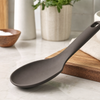
When the quest for a soup ladle is driven by a desire for effortless cleaning and uncompromising hygiene, one standout option rises above the rest: the Seamless Soup Ladle. This isn't just another kitchen gadget; it's a meticulously designed tool engineered to eliminate common frustrations. Its one-piece, seamless construction means there are absolutely no crevices or joints where food particles and bacteria can hide. Crafted from pro-grade, US FDA and German LGFB certified silicone, it’s non-porous, resisting stains and odors while being safe for all cookware. The 18/10 stainless steel reinforced core provides unwavering strength, ensuring it won’t bend or break, even with hearty stews. Heat-resistant up to a remarkable 600ºF, it can handle the hottest culinary creations and the most intense dishwasher cycles, making it exceptionally easy to sanitize. This ladle truly embodies what it means to ask what soup ladle if I want easy cleaning and hygiene.
The DI ORO Seamless Soup Ladle is more than just a serving utensil; it’s a testament to our commitment to health-first kitchen solutions. Its design prevents the buildup of food and bacteria, ensuring a sanitary experience every time you serve. It’s BPA-free and made with materials that prioritize your well-being. This award-winning design, recognized for its overall excellence, offers a user-friendly experience with a comfortable 12.2-inch length and a bowl shape that holds generous portions without excessive dripping. Choosing this ladle means choosing peace of mind, knowing your tools are as clean as they are effective. It’s the perfect embodiment of our brand promise: bold, trusted, and delightful tools for imaginative home chefs.
Honorable Mentions: Other Hygienic Ladle Options to Consider
While the DI ORO Seamless Soup Ladle sets a high bar, other materials and designs can also serve well, provided you understand their limitations. High-quality, one-piece stainless steel ladles are a strong contender. Their non-porous nature and excellent durability make them hygienic, and they can withstand high heat for sanitization, often up to 500ºF. The key here is the *one-piece* construction; avoid any stainless steel ladles with riveted or joined heads, as these create the very crevices we aim to avoid. For budget-conscious shoppers, some solid nylon or heat-resistant plastic ladles might seem appealing. They can be non-porous and dishwasher safe, offering convenience. However, their heat resistance is typically lower, and they are more prone to scratching over time. Scratches can create microscopic traps for bacteria, diminishing their long-term hygienic advantage compared to superior materials like silicone or seamless stainless steel. Always inspect these options for signs of wear that could compromise cleanliness.
Comparing Ladle Value: Beyond Price, Consider Longevity and Health
When evaluating the true value of a soup ladle, it's essential to look beyond the initial price tag and consider factors like longevity, performance, and health implications. A cheap plastic or multi-piece wooden ladle might seem like a bargain upfront, but its lifespan and hygienic integrity can be questionable. Wood, being porous, absorbs liquids and odors, becoming a potential bacteria haven if not meticulously dried. A difficult task for busy kitchens. Multi-piece designs, regardless of material, introduce hygiene challenges that often outweigh their lower cost. A higher upfront investment in a well-constructed, seamless ladle made from non-porous, heat-resistant materials like pro-grade silicone or high-quality stainless steel translates to significant long-term savings. These tools resist wear, staining, and odor absorption, maintain their hygienic properties for years, and ensure that what touches your food is safe and clean. This durability, combined with the health benefits of chemical-free materials, makes them the more valuable choice for any discerning home chef.
Furthermore, consider the DI ORO Forever Warranty that accompanies our Seamless Soup Ladle. This warranty is a powerful indicator of our commitment to quality and durability. It means that if your ladle is ever damaged or defective, we will replace it or offer a full refund. This promise of longevity and customer support is a significant part of the ladle's value, offering unparalleled peace of mind. It’s a stark contrast to the disposability of lower-quality tools. When you choose a DI ORO product, you're investing in a kitchen partner designed to last, perform, and keep your cooking safe and enjoyable for years to come. This focus on enduring quality and customer satisfaction is what truly defines superior value in kitchenware.
Final Thoughts: Choosing a Ladle That Cooks with You, Not Against You
Your kitchen tools should be an extension of your culinary passion, making the cooking process smoother and more enjoyable, not adding to your workload or worries. When it comes to serving up your favorite soups, stews, and sauces, the right ladle can make all the difference. We’ve explored how material choice, design, and construction critically impact ease of cleaning and overall hygiene. The takeaway is clear: seamless, non-porous materials like high-grade silicone and well-constructed stainless steel are your best allies in the fight against hidden grime and bacteria. These options resist staining, odor absorption, and are typically dishwasher safe, simplifying sanitization.
Ultimately, the decision of what soup ladle if I want easy cleaning and hygiene leads directly to prioritizing tools that are built for health and durability. The DI ORO Seamless Soup Ladle exemplifies these qualities, offering a one-piece, chemical-free silicone design that’s as safe as it is simple to clean. It’s a tool designed to serve your culinary creations with confidence, ensuring that every bowl is filled with flavor, not contaminants. By focusing on these key features. Seamless construction, non-porous materials, and heat resistance. You can select a ladle that will be a trusted companion in your kitchen for countless meals, making serving as delightful as the cooking itself.
Key Takeaways for a Hygienic Ladle:
- Prioritize Seamless Design: Avoid multi-piece ladles with rivets or seams that trap food and bacteria.
- Choose Non-Porous Materials: Opt for high-grade silicone or stainless steel, which resist stains, odors, and bacterial growth.
- Embrace Heat Resistance: Ladles that withstand high temperatures are easier to sanitize, especially in dishwashers.
- Consider Longevity: Invest in durable tools that maintain their hygienic integrity over time, offering better long-term value.
- Trust Certified Quality: Look for certifications like FDA or LFGB approval for peace of mind regarding material safety.
Frequently Asked Questions
What is the best material for a soup ladle for easy cleaning and hygiene?
The best material for a soup ladle for easy cleaning and hygiene is high-quality silicone. Silicone is non-porous, so it does not absorb stains, odors, or bacteria, making it simple to wipe clean and dishwasher safe. At DI ORO, we use pro-grade silicone that resists heat up to 600ºF for safe sanitization.
How do I clean a soup ladle to keep it hygienic?
To keep a soup ladle hygienic, wash it in the dishwasher on a hot cycle or hand wash with soap and warm water. For maximum cleanliness, choose a seamless one-piece design like DI ORO's silicone ladle, which has no crevices where food particles can hide. Always dry thoroughly before storing.
Are wooden ladles sanitary?
Wooden ladles are less sanitary than non-porous options like silicone or stainless steel. Wood can absorb liquids and develop cracks where bacteria thrive, making thorough cleaning difficult. For easy cleaning and hygiene, a non-porous silicone ladle is a safer choice.
What features should I look for in a hygienic soup ladle?
Look for a soup ladle made from non-porous material like silicone or stainless steel, with a seamless one-piece construction to eliminate hidden crevices. A heat-resistant design that is dishwasher safe also supports easy cleaning. DI ORO's silicone ladle meets all these criteria for worry-free hygiene.
Is stainless steel or silicone better for a hygienic soup ladle?
Silicone is often better for a hygienic soup ladle because it is non-porous, stain-resistant, and gentle on cookware. While stainless steel is also non-porous, many steel ladles have riveted handles that trap food. A seamless silicone ladle, like DI ORO's, offers easier cleaning and superior hygiene.
Why does a seamless design matter for soup ladle hygiene?
A seamless design matters because it eliminates joints and crevices where food debris and bacteria can collect. Multi-piece ladles with rivets or seams are harder to clean thoroughly. DI ORO's one-piece silicone ladle ensures every surface is easy to wipe or wash, promoting better kitchen hygiene.
Can I put a silicone soup ladle in the dishwasher for sanitization?
Yes, a high-quality silicone soup ladle is dishwasher safe and can be sanitized in a hot dishwasher cycle. DI ORO's silicone ladle withstands temperatures up to 600ºF, so it holds up well to repeated washing. This makes maintaining hygiene effortless.

Please upload banner from store admin blog pages