What Are the 10 Common Kitchen Tools? Your Complete Buying Guide
what are the 10 common tools?
Whether you are equipping a first apartment or refreshing a seasoned kitchen, the right tools make every meal easier and more enjoyable. Most home cooks need only a handful of essential items to tackle nearly any recipe. If you have been asking what are the 10 common tools every kitchen should hold, start with this core set. These ten pieces cover chopping, mixing, cooking, and serving without cluttering your drawers or your counter space.
Key Takeaways
- A focused set of ten essential tools can handle most cooking tasks without overcrowding your kitchen.
- Whether you are a beginner or an experienced cook, these basics cover chopping, mixing, cooking, and serving.
- Investing in quality core tools makes meal preparation smoother and more enjoyable.
- You do not need a drawer full of gadgets, just a handful of versatile items will serve nearly any recipe.
- This guide helps you choose tools that balance function and space efficiency.
The difference between stressful prep and effortless cooking often comes down to having quality versions of these basics. Cheap tools break, melt, or scratch your cookware, costing more in the long run. Investing in well-made pieces from a trusted brand like DI ORO pays dividends in performance and peace of mind.
The ten essential kitchen tools are a spatula, slotted turner, tongs, whisk, chef's knife, cutting board, vegetable peeler, measuring cups and spoons, mixing bowls, and colander. Each serves a distinct purpose, and choosing quality versions of these items will cover most of your cooking needs. Look for heat-resistant materials, ergonomic handles, and dishwasher-safe construction to ensure longevity and ease of use.
The Only 10 Kitchen Tools You Really Need (And How to Choose Them)
This list of what are the 10 common tools for everyday cooking prioritizes versatility and performance. Every tool here earns its place by handling multiple tasks well. Let us look at each one and what to look for when buying.
Spatula
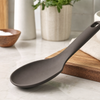
A flexible, heat-resistant spatula is the most used tool in many kitchens. DI ORO's award-winning Kitchen Tools collection features seamless silicone spatulas tested to 600°F, making them safe for non-stick pans and high-heat cooking. Look for a one-piece design with a stainless steel core that will not bend or absorb odors. America's Test Kitchen named DI ORO's spatula the most versatile silicone spatula on the market, confirming what home chefs quickly discover. The right spatula flips, folds, scrapes, and serves without scratching your cookware.
Turner (Slotted Turner)
A slotted turner (also called a slotted spatula) lets you flip eggs, fish fillets, and burgers while draining excess oil. The slots also help when lifting food from a hot skillet without steaming the underside. Choose a thin, flexible edge for delicate items and a sturdy handle for heavier lifts. Silicone versions protect non-stick surfaces, while stainless steel works best for cast iron and carbon steel pans.
Tongs
Tongs act as an extension of your hand, letting you flip, toss, and serve without burning your fingers. Silicone-tipped versions protect non-stick cookware, while stainless steel tongs work best for grilling. A locking mechanism keeps them tidy in the drawer and makes storage easy. Look for a scalloped edge on the tips for a better grip on slippery items like chicken thighs or roasted vegetables.
Whisk
A balloon whisk incorporates air into eggs, cream, and batters for lighter results. Flat whisks work better for roux and gravies in shallow pans. Look for a comfortable handle and tightly looped wires that hold their shape without bending. Stainless steel construction resists rust and stands up to vigorous whisking. A good whisk makes emulsifying dressings and smoothing sauces nearly effortless.
Chef's Knife
An 8-inch chef's knife is the backbone of meal prep. It chops, slices, dices, and minces with equal authority. A full tang (metal extending through the handle) provides balance and durability. Keep it sharp with a honing steel or sharpening stone. High-carbon stainless steel holds an edge longer and resists staining. This single tool replaces a drawer full of specialty knives for daily cooking tasks.
Cutting Board
A large, sturdy cutting board protects both your knife edge and your countertop. Wood boards are gentle on blades and naturally antimicrobial. Plastic boards are dishwasher safe and practical for raw meat. Buy at least two to prevent cross-contamination between produce and proteins. Look for a board with a juice groove and non-slip feet for stability during chopping.
Vegetable Peeler
A sharp swivel vegetable peeler zips through potatoes, carrots, and apples faster than any knife. Y-shaped peelers offer more control for most hands. Stainless steel blades stay sharp longer than carbon steel and resist rust. A comfortable, non-slip grip reduces hand strain when peeling multiple pounds of vegetables. This small tool saves minutes of prep time every single day.
Measuring Cups and Spoons
Accurate measuring is the difference between consistent results and guesswork. Nested measuring cups for dry ingredients and a clear liquid measuring cup for wet ingredients cover all bases. Stainless steel sets will not rust or warp like plastic. Look for cups with etched markings that stay legible and spoons with narrow tips for reaching into spice jars. Precise measurements ensure your baked goods and sauces turn out right every time.
Mixing Bowls
A set of three to four mixing bowls in graduated sizes handles everything from folding egg whites to tossing salads. A non-slip silicone base keeps the bowl steady during whisking. Stainless steel bowls are lightweight, while glass bowls work for microwaving. Nesting bowls save cabinet space, and a pour spout on larger bowls simplifies transferring batters and sauces.
Colander/Strainer
A colander drains pasta and rinses vegetables with ease. Fine-mesh strainers are essential for sifting flour, straining sauces, and rinsing quinoa. Look for a stable base and handles that stay cool to the touch. Stainless steel resists rust and odors better than plastic. A medium-size colander (about 5 quarts) handles most tasks without taking up too much cabinet space.
Pro Tip: Start with these ten tools and add specialty items only when a recipe demands them. Quality versions of this core set from trusted brands like DI ORO will outlast cheaper alternatives and make cooking more enjoyable. The DI ORO Kitchen Tools collection offers pro-grade silicone, stainless steel cores, and ergonomic handles designed for home chefs who demand performance without compromising safety.
Silicone vs. Metal vs. Nylon vs. Wood: Which Material Wins Each Job?

The material of your kitchen tools isn't just a minor detail; it directly impacts performance, safety, and the lifespan of your cookware. We're talking about everything from your trusty spatula to your go-to mixing spoons. Understanding the strengths and weaknesses of common materials like silicone, metal, nylon, and wood helps you make smart choices that protect your pans and make cooking a joy, not a chore. For home chefs who dream big, having the right tool for the job, made from the right stuff, is non-negotiable.
Let’s dive into how these materials stack up, so you can confidently select the best tool for every task. We’ll explore heat resistance, how they play with your non-stick surfaces, how long they’ll last, and what’s easiest to keep clean. This breakdown is key to building a collection of Kitchen Tools that truly perform and stand the test of time.
Heat Resistance and Safety
Safety in the kitchen often starts with heat. Imagine leaving a utensil in a hot pan for just a moment too long, only to have the handle melt or the tool itself warp. Silicone is a champion here, with high-quality versions like those from DI ORO able to withstand temperatures up to 600°F (316°C). This incredible heat resistance means you can confidently use them near a hot stovetop without worry. Nylon and plastic tools typically have much lower melting points, often around 350-450°F (175-230°C), making them unsuitable for high-heat searing or prolonged contact with hot liquids.
Metal tools, like stainless steel, are generally very heat-resistant, but they can transfer heat rapidly, making handles hot to the touch. Wood is a natural insulator and doesn't conduct heat well, but it can char or burn if left over a direct flame or in extremely high heat for extended periods. When considering tools for everyday cooking, especially around non-stick surfaces, silicone's superior heat tolerance and safety profile are hard to beat. It ensures peace of mind, allowing you to focus on your culinary creations, not on potential tool failures.
Non-Stick Cookware Compatibility
If you’ve invested in non-stick pans, you know how critical it is to protect that delicate surface. Using metal utensils on non-stick cookware is a recipe for disaster, leading to scratches that compromise the pan's integrity and can potentially leach unwanted substances into your food. Nearly 70% of home cooks own at least one non-stick pan, making scratch-free tools essential for maintaining these valuable pieces. Silicone and wood are your best friends here. Silicone’s smooth, flexible surface glides effortlessly without leaving a mark, preserving the non-stick coating. Wood is also gentle, though it can sometimes leave minor scuffs if used aggressively.
Nylon tools can be a middle ground; they are generally safe for non-stick surfaces, but their heat resistance is limited. If a nylon tool gets too hot, it can soften and potentially scratch. For ultimate protection and confidence when cooking with your favorite non-stick pots and pans, high-grade silicone tools are the clear winners. They offer both superior protection and performance, ensuring your cookware lasts longer and cooks better.
Durability and Longevity
Cheap tools might seem like a bargain upfront, but they often fail quickly, leading to a cycle of replacements and added expense. Durability is where quality materials truly shine. A high-quality silicone spatula, like those engineered by DI ORO, can last over 10 years with proper care. They resist stains, odors, and degradation from heat or repeated use. America’s Test Kitchen has recognized the durability of DI ORO’s silicone spatulas, noting they outperform rubber or plastic in heat resistance and longevity.
Metal tools, particularly stainless steel, are also incredibly durable and can last a lifetime if well-maintained. However, they can be heavy and may not be suitable for all tasks or cookware. Wood tools can be durable but require more maintenance, such as occasional oiling, and can eventually splinter or crack with age and heavy use. Nylon and plastic tools are generally the least durable, prone to melting, warping, and breaking, especially with frequent exposure to heat or heavy-duty cooking. Investing in tools made from premium materials means fewer replacements and reliable performance meal after meal.
Ease of Cleaning and Hygiene
When it comes to cleaning, some materials make your life much easier. Silicone is exceptionally easy to clean. It’s non-porous, meaning it doesn't absorb food particles or odors, and most high-quality silicone tools are completely dishwasher safe. This makes them hygienic and simple to maintain. DI ORO’s seamless design, for instance, means there are no nooks or crannies where bacteria can hide, a significant advantage over tools with assembled parts or porous materials.
Stainless steel tools are also easy to clean and are dishwasher safe, resisting rust and staining. Wooden utensils, while naturally antimicrobial to some extent, require hand washing and thorough drying to prevent warping, cracking, or harboring bacteria. They can also absorb strong flavors and odors over time. Nylon and plastic tools are typically dishwasher safe but can be more prone to staining and retaining odors than silicone, and their lower heat resistance can lead to melting or warping that makes them difficult to clean effectively. For straightforward, hygienic cleaning after every use, silicone and stainless steel are top contenders.
| Material | Heat Resistance | Cookware Safety | Durability | Cleaning | Best For |
|---|---|---|---|---|---|
| Silicone | Excellent (up to 600°F) | Excellent (non-stick safe) | Very Good (long-lasting, stain/odor resistant) | Excellent (dishwasher safe, non-porous) | All-purpose cooking, scraping, stirring, folding, flipping |
| Metal (Stainless Steel) | Excellent (handle can get hot) | Poor (scratches non-stick) | Excellent (lifetime potential) | Excellent (dishwasher safe, durable) | Grilling, heavy-duty tasks, high-heat searing (with caution on pans) |
| Nylon | Good (up to 350-450°F) | Good (can melt/scratch if overheated) | Fair (can warp/break) | Good (dishwasher safe, can stain) | General cooking, stirring, serving (avoid high heat) |
| Wood | Good (natural insulator, can char) | Good (gentle on surfaces) | Fair (can splinter/crack, requires maintenance) | Fair (hand wash recommended, can absorb odors) | Stirring, mixing, delicate tasks, preventing scratches |
Anatomy of a Great Tool: What Home Chefs Should Check Before Buying
Navigating the world of kitchen gadgets can feel overwhelming, with countless options vying for a spot in your drawer. But when it comes to equipping your kitchen with the essentials, focusing on quality construction and thoughtful design makes all the difference. It’s not just about owning the right tools; it’s about owning tools that are built to last, perform beautifully, and feel good in your hand. For home chefs who are passionate about cooking, understanding the anatomy of a great tool ensures you’re investing wisely in pieces that will serve you well for years to come.
We’re talking about the nitty-gritty details that separate a kitchen workhorse from a drawer-dweller. From how hot a tool can get to how comfortable its handle is, each feature plays a role. By knowing what to look for, you can avoid common pitfalls and confidently select pieces that truly elevate your cooking experience. Let’s break down the key elements that define a superior kitchen tool, ensuring your next purchase is a win.
Heat Rating. Why 600°F Matters
The heat rating of a kitchen tool is paramount, especially for items that might come into contact with hot pans or cooking surfaces. A high heat rating provides a significant margin of safety and versatility. For example, DI ORO’s silicone tools are tested to withstand up to 600°F (316°C). This impressive rating means they are virtually impervious to common cooking temperatures, whether you're searing a steak, sautéing vegetables, or even accidentally leaving a spatula in a hot pan for a moment. This level of heat resistance is a hallmark of professional-grade equipment that DI ORO brings to the home chef.
Why is 600°F so important? It far surpasses the temperatures reached during most stovetop cooking and baking. It ensures that the tool won't melt, warp, or degrade, maintaining its shape and integrity. Unlike lower-rated plastics or even some nylons, tools that can handle such extreme heat offer unparalleled peace of mind. This means you can confidently use them across a wide range of cooking applications without worrying about damaging the tool or your cookware. It’s a key indicator of a tool’s quality and the brand’s commitment to performance.
Handle Design and Ergonomics
Comfort and control in the kitchen often come down to the handle. Ergonomically designed handles are not just a luxury; they are essential for reducing hand fatigue, especially during longer meal prep sessions or when tackling recipes that require a lot of stirring or mixing. Studies suggest that ergonomically designed handles can reduce hand fatigue by up to 40%. A well-designed handle fits naturally in your grip, providing adequate surface area and a non-slip texture, even when your hands are wet or greasy.
Consider the weight distribution and balance of the tool. A handle that is too heavy or too light can make the utensil awkward to maneuver. DI ORO pays close attention to this, crafting handles that feel secure and balanced. For example, a seamless design for spatulas means no uncomfortable ridges or joints, just a smooth, continuous surface that’s pleasant to hold. When you’re flipping delicate fish or vigorously whisking a sauce, a comfortable grip ensures precision and prevents strain, making the entire cooking process more enjoyable.
Core Construction (Stainless Steel vs. Hollow Plastic)
The internal structure of a kitchen tool significantly impacts its strength and longevity. Many tools, particularly spatulas and spoons, feature a core material that supports the outer layer. High-quality tools often incorporate a stainless steel core. This provides a sturdy backbone that prevents bending or breaking, even when scooping heavy ingredients or flipping substantial items. A full tang construction, where the metal extends through the entire handle, offers superior balance and durability, a feature commonly found in well-made knives and some spatulas.
In contrast, tools made with hollow plastic cores or no core at all are far more susceptible to failure. They can bend easily under pressure, leading to ineffective flipping or stirring, and may eventually snap. The difference is palpable: a tool with a solid stainless steel core feels substantial and reliable, ready for demanding tasks. DI ORO’s commitment to this level of engineering means their tools offer dependable performance, resisting the flex or break that plagues lesser-quality utensils. This internal strength is a key indicator of a tool built to last.
Warranty and Brand Trust
A strong warranty and a brand’s reputation are powerful indicators of product quality and customer commitment. When a company stands behind its products with a solid guarantee, it reflects confidence in their engineering and materials. DI ORO, for example, offers a lifetime warranty on its products, demonstrating a commitment to durability and customer satisfaction. This means if a tool breaks or fails under normal use, they’ll replace it. This policy offers invaluable peace of mind and protects your investment.
Brand trust is also built on transparency and proven performance. Features like BPA-free and LFGB-certified silicone, as used by DI ORO, assure consumers that the materials are safe for food contact and meet rigorous international standards. Accolades from respected organizations like America’s Test Kitchen further solidify trust. When you choose a brand that prioritizes health, performance, and backs it with a lifetime warranty, you’re not just buying a tool; you’re investing in a reliable partner for your culinary adventures.
Your Kitchen Tool Buying Checklist
- Heat Rating: Aim for tools rated at least 500°F, ideally 600°F, for maximum safety and versatility.
- Material: Prioritize high-grade silicone for non-stick cookware and general use, or stainless steel for heavy-duty tasks.
- Handle Ergonomics: Look for comfortable, non-slip grips with good balance to reduce fatigue.
- Core Construction: Opt for solid stainless steel cores for strength and longevity, avoiding hollow plastic.
- Seamless Design: For spatulas and spoons, a one-piece, seamless construction is more hygienic and durable.
- Warranty: A lifetime warranty signifies brand confidence and protects your purchase.
- Certifications: Look for food-grade certifications (like BPA-free, LFGB) for health assurance.
4 Common Kitchen Tool Mistakes That Ruin Your Cookware (and Your Dinner)
Even passionate home chefs can fall into habits that quietly damage their equipment and compromise their meals. Small mistakes with seemingly harmless utensils can lead to scratched pans, melted handles, and frustration at the stove. Recognizing these pitfalls is the first step toward protecting your investment and ensuring every dish turns out as intended. When you understand what are the 10 common tools and how to use them correctly, you avoid costly errors and enjoy a smoother cooking experience. Let us examine four frequent missteps and how the right choices prevent them.
Using Metal on Non-Stick Pans
Placing a metal spatula or whisk into a non-stick skillet is one of the fastest ways to ruin a good pan. The hard edge or tines scrape against the delicate coating, creating visible scratches and grooves over time. Once that surface is compromised, food begins to stick, and the pan loses its non-stick properties. Worse, flakes of the coating may end up in your meal. Nearly 70% of home cooks own at least one non-stick pan, so protecting these surfaces is essential for anyone who enjoys effortless cleanup and even cooking.
The solution is straightforward: switch to silicone or wood utensils. DI ORO’s Kitchen Tools are engineered with smooth, flexible silicone edges that glide across non-stick surfaces without leaving a trace. This simple swap adds years to your cookware’s life and eliminates the worry of ingesting scratched coating. Choosing the right material for the job preserves both your pan and your peace of mind.
Leaving Plastic Handles in a Hot Pan
Walking away from the stove with a nylon or plastic utensil resting against the side of a hot pan is a common oversight with painful consequences. Many plastic and nylon tools have heat limits around 350-450°F. A hot stovetop or prolonged contact with simmering liquid quickly exceeds that threshold, causing the handle to soften, warp, or melt. The result is a ruined tool and potentially melted plastic contaminating your food. It is an easy mistake to make when juggling multiple tasks during meal prep.
The best prevention is choosing tools with heat ratings that far exceed typical cooking temperatures. High-grade silicone, like the material used in DI ORO products, withstands up to 600°F without deforming or degrading. This margin of safety means you can relax during cooking, knowing that even accidental contact with a hot surface won't ruin your utensil or your dinner. Investing in tools built for real kitchen heat eliminates this worry completely.
Choosing the Wrong Tool for the Job (e.g., Tongs for Stirring)
Using tongs when you need a spatula or a whisk when a spoon would work better reduces efficiency and can damage your equipment. Tongs are designed for gripping, lifting, and flipping, not for stirring a thick sauce or scraping the bottom of a pan. Forcing them into the wrong role often leads to bent tines, scratched cookware, and uneven stirring. The same applies to using a metal whisk to scrape a non-stick skillet, a habit that quickly ruins both the pan and the tool.
Matching the utensil to the task is a simple way to improve both results and cookware longevity. Use a spatula for flipping and folding, a slotted turner for lifting delicate items, and a whisk for aerating liquids. When you equip your kitchen with a full set of purpose-driven tools, each task becomes easier and more enjoyable. Understanding what are the 10 common tools and their specific functions helps you work smarter, not harder.
Ignoring Heat Limits on Silicone Tools
Not all silicone is created equal, and assuming every silicone tool is indestructible can lead to disappointment. Lower-grade or filler-laden silicone may start to degrade, discolor, or even melt when exposed to high heat. Some products labeled as silicone contain additives that reduce their heat tolerance and introduce unwanted chemicals into your food. A tool that fails mid-cook ruins the meal and may leach substances you do not want near your ingredients.
Always verify the heat rating before purchasing. Pro-grade silicone, like the kind used in DI ORO’s Kitchen Tools, is tested to 600°F and carries certifications such as BPA-free and LFGB approval. This ensures purity and performance at high temperatures. Choosing certified, high-quality silicone transforms your cooking from a guessing game into a confident, controlled process. Check the rating before you buy, and never again worry about a tool letting you down at the worst moment.
Quick Fix Guide: If you have scratched a non-stick pan, retire it immediately and replace metal tools with silicone versions. For melted handles, look for tools with a heat rating of at least 500°F. To improve efficiency, invest in a complete set of purpose-designed utensils. By matching each tool to its intended use and selecting certified materials, you protect your cookware, improve your meals, and cook with greater confidence every day.
References
Frequently Asked Questions
What are the 10 common kitchen tools every home cook needs?
The ten essential kitchen tools are a spatula, slotted turner, tongs, whisk, chef's knife, cutting board, vegetable peeler, measuring cups and spoons, mixing bowls, and a colander. These ten pieces cover chopping, mixing, cooking, and serving without cluttering your kitchen. Investing in quality versions from a trusted brand like DI ORO ensures durability and performance.
Why is a spatula considered the most used kitchen tool?
A spatula is the most used tool in many kitchens because it flips, folds, scrapes, and serves without scratching cookware. Look for a flexible, heat-resistant silicone version like DI ORO's award-winning spatula tested to 600°F. A one-piece design with a stainless steel core prevents bending and absorbing odors.
What should I look for when choosing a chef's knife?
An 8-inch chef's knife is the backbone of meal prep, capable of chopping, slicing, dicing, and mincing. Look for a full tang for balance and high-carbon stainless steel for edge retention and stain resistance. Keep it sharp with a honing steel to ensure effortless cutting.
How do tongs make everyday cooking easier?
Tongs act as an extension of your hand, letting you flip, toss, and serve without burning your fingers. Silicone-tipped versions protect non-stick cookware, while stainless steel tongs work best for grilling. A locking mechanism keeps them tidy in the drawer and easy to store.
What are the benefits of using quality measuring cups and spoons?
Accurate measuring is the difference between consistent results and guesswork in cooking and baking. Stainless steel sets will not rust or warp like plastic, and etched markings stay legible over time. Precise measurements ensure your baked goods and sauces turn out right every time.
Why is a colander an essential tool for everyday cooking?
A colander drains pasta and rinses vegetables with ease, while a fine-mesh strainer handles sifting flour and straining sauces. Look for a stable base and cool-touch handles for safety and convenience. A medium-size colander about 5 quarts handles most tasks without taking up too much cabinet space.

Please upload banner from store admin blog pages