Best Zester for Beginners: Flavorful Home Cooking
best zester for beginners in home cooking
Unlock a World of Flavor: Why Every Beginner Cook Needs a Zester
The best zester for beginners in home cooking combines sharp stainless steel construction, ergonomic design, and dishwasher-safe convenience. Look for tools with protective features, comfortable grips, and versatile grating performance for citrus, ginger, and chocolate.
What Exactly Is a Zester (and Why Does It Matter)?
A zester releases essential oils from citrus peels, creates fine chocolate shavings, or produces delicate ginger gratings that make ordinary recipes sing. This compact grater features razor-sharp perforations that capture only the flavorful outer layer while skipping the bitter pith underneath.
The "Little Gesture" That Makes a Big Difference in Home Cooking
Fresh lemon zest over pasta. Lime shavings on tacos. Grated ginger in stir-fries.
These tiny touches separate "okay" meals from "wow, what's your secret?" moments. The best zester for beginners in home cooking turns these pro techniques into weeknight wins.
Beyond Citrus: Surprising Foods You Can Zest
Sure, lemon and lime are classics. But try grating chocolate over desserts, creating fresh coconut flakes for curry, or making ginger paste for marinades. Once you've got the technique down, your spice game gets serious.
DI ORO's "No Compromise" Approach
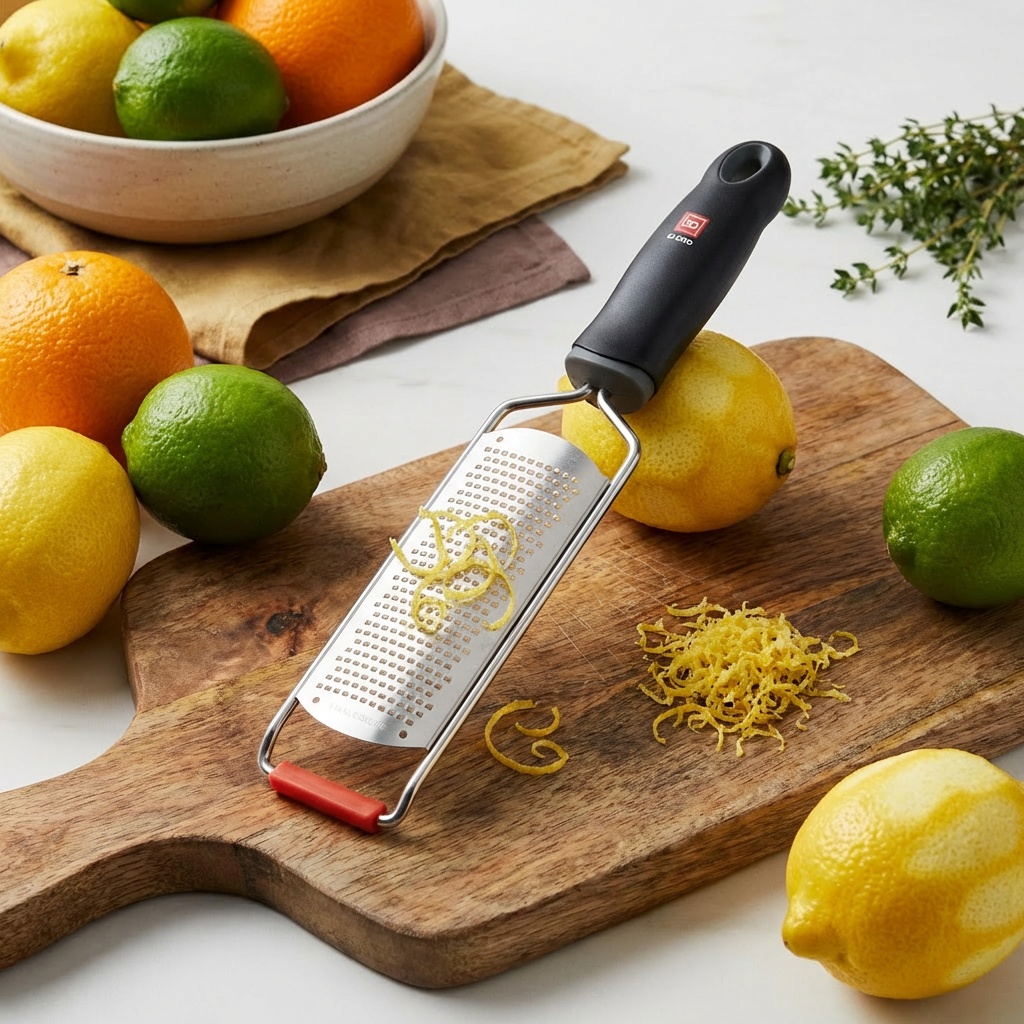
Our Zester features BPA-free, FDA-approved materials with an 18/8 stainless steel blade. The 5-inch by 2.5-inch blade size provides control for beginners, and dishwasher-safe construction simplifies cleanup. Backed by DI ORO's Forever Warranty, this tool can grow with your skills.
Your First Zester: What to Look For and What to Avoid
Sharpness Is Key: Finding the Right Blade for Effortless Zesting
Sharp, precisely etched perforations make the difference between a zester that works and one that sits in your drawer. Good blades slice cleanly through citrus peel without tearing, creating perfect ribbons of aromatic zest. Dull edges? They crush the oils and give you sad, uneven shavings.
Safety First: Features That Protect Your Fingertips
Nobody wants to zest their knuckles instead of their lemon. Look for protective covers and handles that keep your grip away from those sharp edges. Textured surfaces help you maintain steady control, especially when you're still getting the hang of it.
Why Your Hand Will Thank You Later
Balanced weight and contoured handles prevent that cramped-hand feeling during prep. When a tool feels right in your grip, you'll actually want to use it. Plus, comfortable tools help you maintain consistent pressure and angle. Which means better results.
Cleaning Made Simple: Say Goodbye to Kitchen Hassles
Trust us. You don't want to spend your evening scrubbing tiny holes with a toothbrush. Dishwasher-safe materials and smooth surfaces make cleanup a breeze. The easier it is to clean, the more likely you'll reach for it next time.
DI ORO's Seamless Design Philosophy
Our Zester pairs 18/8 stainless steel precision with BPA-free construction for reliable performance at home. The 5-inch by 2.5-inch blade provides useful coverage, and dishwasher-safe convenience keeps cleanup simple. DI ORO's Forever Warranty is designed for long-term use.
Beyond the Microplane: Exploring Beginner-Friendly Zester Styles
The Classic Rasp Zester: A Reliable Workhorse for Beginners
Flat grating surface. Consistent holes. Predictable results every time. Traditional rasp-style zesters remove the guesswork, which makes them perfect for building confidence with citrus and fresh spices.
The Rotary Zester: A Fun and Accessible Option
Think of it as a mini drum grater. You put the ingredient inside and turn a handle. Your fingers stay safely away from the blade while you get consistent chocolate shavings or coconut flakes with zero effort.
When to Consider a Channel Knife (and When to Skip It as a Beginner)
Channel knives create those fancy cocktail garnishes you see on Instagram. But they need a steady hand and lots of practice. For everyday cooking. Seasoning pasta, finishing desserts, brightening marinades. Stick with a standard zester.
| Zester Type | Best For | Beginner Friendly | Versatility |
|---|---|---|---|
| Rasp Style | Citrus, ginger | Excellent | High |
| Rotary | Chocolate, coconut | Very Good | Medium |
| Channel Knife | Cocktail garnishes | Limited | Low |
Why DI ORO Champions Simplicity and Effectiveness for Home Cooks
Great tools shouldn't need an instruction manual. The best zester for beginners in home cooking feels natural, works consistently, and lets you focus on creating amazing flavors instead of wrestling with complicated gadgets.
Mastering the Zest: Simple Techniques for Delicious Results
How to Safely and Effectively Zest Citrus Fruits
Hold that lemon firmly and move your zester in long, gentle strokes across the surface. Light pressure is your friend. You want those fragrant oils, not the bitter white pith hiding underneath. Rotate the fruit often to keep things even and the flavor bright.
Zesting Ginger: Big Flavor, Fast
Fresh ginger on a fine zester releases bold flavor that chopped ginger just can't match. Peel first, then grate straight into your dish. The finer texture blends smoothly instead of giving you surprising chunks of heat. For precise measurements of your freshly grated aromatics, pair your zester with stainless steel measuring spoons for consistent results.
Professional Results at Home
The DI ORO Zester turns everyday ingredients into bright finishing touches. Its 18/8 stainless steel construction handles delicate citrus peel and stubborn ginger with steady precision, and BPA-free materials support confident prep. Complete your kitchen utensils collection with tools that work together seamlessly for efficient cooking.
Frequently Asked Questions
What is the best tool for zesting citrus fruits?
A quality rasp-style zester with sharp stainless steel perforations is the best tool for zesting citrus fruits. Look for one with an ergonomic handle and dishwasher-safe construction for easy cleanup. The DI ORO Zester features 18/8 stainless steel blades and BPA-free materials, making it perfect for beginners who want professional results.
Is a Microplane the same as a zester?
Microplane is actually a brand name that makes zesters, but not all zesters are Microplanes. A zester is the general term for any tool that creates fine shavings from citrus peels, ginger, or chocolate. The key is finding one with sharp, precisely etched perforations and comfortable grip, regardless of brand.
What tools are best for zesting a lemon safely?
The best lemon zesting tools feature protective covers, ergonomic handles, and sharp stainless steel blades that won't slip. A rasp-style zester with textured grip surfaces helps maintain control while keeping your fingers away from the cutting edge. Always move the zester in long, gentle strokes and rotate the lemon frequently for even results.
How can I make zesting easier as a beginner?
Start with room temperature citrus fruits and use light pressure to avoid the bitter white pith underneath the peel. Hold the fruit firmly and move your zester in long, smooth strokes rather than short choppy motions. A quality zester with sharp perforations will do most of the work for you, so let the tool glide naturally across the surface.
What should I look for when buying my first zester?
Focus on sharp stainless steel construction, comfortable ergonomic handles, and dishwasher-safe convenience for easy cleanup. Safety features like protective covers and textured grips help prevent accidents while you build confidence. The DI ORO Zester combines all these features with a Forever Warranty, making it ideal for beginners who want a tool that grows with their skills.
Can I use a zester for ingredients other than citrus?
Absolutely! A good zester works beautifully for fresh ginger, creating fine gratings that blend smoothly into marinades and stir-fries. You can also use it to create chocolate shavings for desserts or coconut flakes for tropical dishes. The key is using the same gentle pressure and long strokes you'd use with citrus fruits.
Why do some zesters work better than others for beginners?
The difference comes down to blade sharpness, handle design, and overall balance. Quality zesters have precisely etched perforations that slice cleanly without tearing, while cheap versions often crush the oils and create uneven results. A well-balanced tool with an ergonomic grip reduces hand fatigue and gives you better control as you learn proper technique.

Please upload banner from store admin blog pages