Small Kitchen Zester Guide 2026 – Easy Tips for Perfect Citrus zest
zester for small kitchen with limited space
The Zester Dilemma: Why Small Kitchens Need Smarter Tools
A zester for small kitchen with limited space should prioritize compact design, multifunctionality, and efficient storage. Look for microplane-style graters under 10 inches long, tools with protective covers that double as storage solutions, or multipurpose options that combine zesting with other kitchen tasks.
What Exactly Is a Zester, and Why Do You Need One?
A zester removes the aromatic outer peel from citrus fruits without the bitter white pith underneath. This tool turns ordinary dishes into something special. Lemon zest in your morning muffins or lime zest finishing your tacos. The oils released during zesting contain concentrated citrus essence that boosts both sweet and savory cooking.
The Unique Challenges of Zesting in a Cramped Kitchen
Small kitchens present unique obstacles for zesting. Traditional box graters consume precious counter space and create cleanup nightmares in tight quarters. Handheld zesters often lack stability without adequate workspace. Smart home chefs need tools that deliver professional results while respecting spatial limitations.
Space-Saving Tip
Just like our Space-Saving Silicone Drying Rack rolls up for compact storage, the best zesters for small kitchens offer similar space-conscious design solutions.
Beyond Citrus: The Surprising World of Zesting
Modern zesting goes far beyond lemons and limes. Fresh ginger, hard cheeses like Parmesan, whole nutmeg, and even chocolate benefit from fine grating. A versatile zester for small kitchen with limited space handles multiple ingredients without requiring specialty appliances for each one. This versatility makes every square inch of storage worthwhile.
Finding Your Perfect Compact Zester: Key Features for Limited Spaces
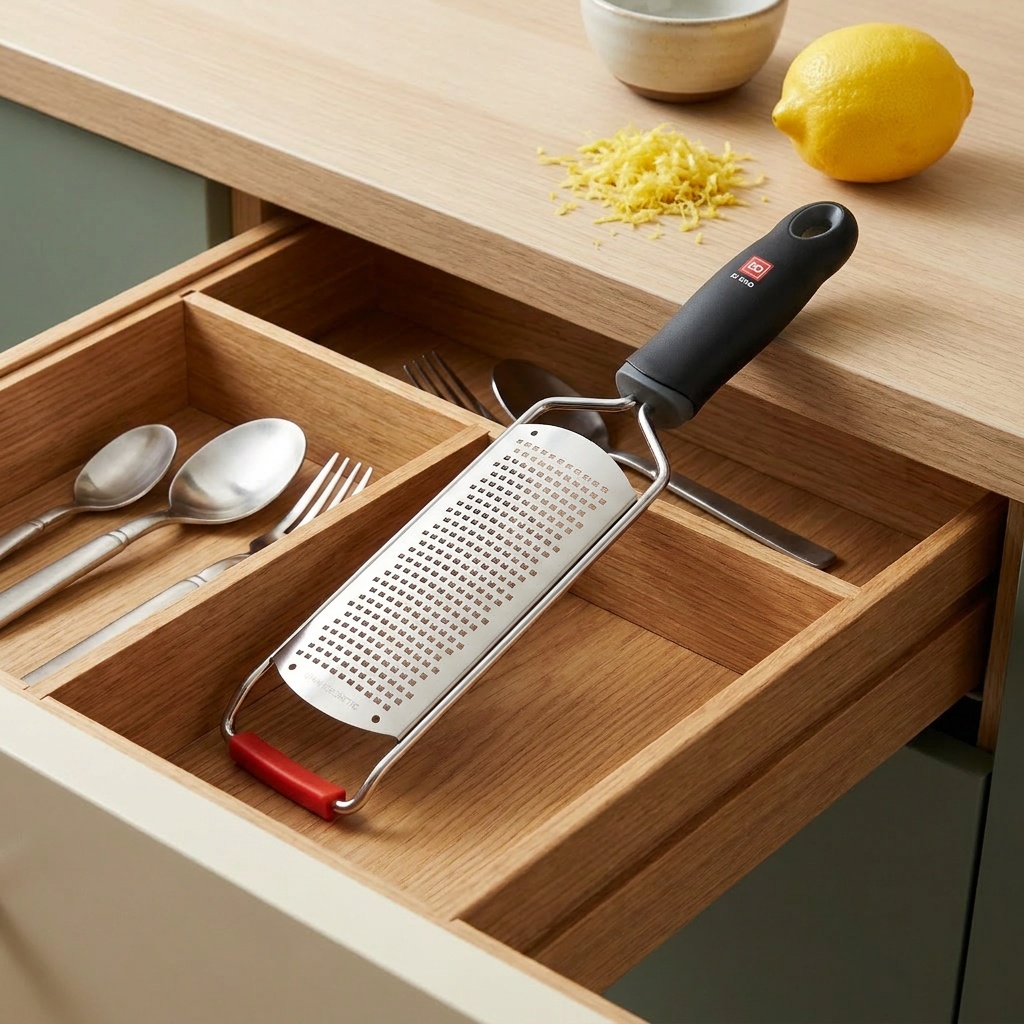
Size Matters: Dimensions That Fit Your Drawers and Countertops
The sweet spot? Zesters between 8 and 12 inches long with narrow profiles under 2 inches wide. Flat designs slide easily into drawer organizers alongside other utensils. Look for tools with hanging loops for vertical storage on hooks or magnetic strips. Avoid bulky handles that waste drawer space or require dedicated storage compartments.
Material and Durability: Investing in Tools That Last
Professional-grade stainless steel blades maintain sharpness through countless uses while resisting corrosion from acidic citrus oils. Food-safe handles provide comfortable grip without harboring bacteria in crevices. Well-made construction means your zester for small kitchen with limited space performs consistently for years, justifying its real estate in your compact kitchen.
Ergonomics and Grip: Comfort for Confident Zesting
Non-slip grips prevent accidents during repetitive zesting motions, especially important when working on small counters. Balanced weight distribution reduces hand fatigue during extended use. Comfortable ergonomics become essential when you lack space to brace tools against large cutting boards.
Blade Design: Sharpness and Efficiency for Effortless Results
Sharp, precisely etched holes create fluffy citrus zest without tearing fruit surfaces. Efficient blade patterns minimize the strokes needed, reducing prep time and mess. Well-designed cutting surfaces work smoothly across ingredient textures. From delicate citrus peels to firm cheese blocks. Maximizing your tool's utility.
Space-Saving Zesting Solutions: Innovations for the Savvy Home Chef
The Mighty Microplane: A Compact Powerhouse for Your Kitchen
Microplane graters changed home zesting forever with razor-sharp, photo-etched blades originally designed for woodworking. These slender tools measure about 12 inches long yet produce restaurant-quality results. Their flat profile slides into a utensil drawer, and many include protective covers that help preserve the blade during storage. The fine grating surface creates delicate, fluffy zest that distributes evenly throughout your dishes.
Multi-Functional Wonders: Zesters That Do More Than Just Zest
Smart kitchen tools justify their space by serving multiple purposes. Combination peeler-zesters handle two citrus prep tasks in one compact design. Adjustable graters offer different grating sizes for cheese, spices, and citrus without requiring separate tools. Some models include measuring marks, built-in collection cups, or detachable components that maximize functionality while minimizing storage footprint.
Clever Storage Hacks for Your Zesting Tools
Magnetic strips mounted inside cabinet doors hold metal zesters securely out of sight. Drawer dividers keep blades protected while organizing multiple prep tools in compact spaces. Wall-mounted tool rails position frequently used zesters within arm's reach without consuming counter real estate. Store zesters alongside similar-sized tools like vegetable peelers for efficient organization.
DI ORO Storage Philosophy
Just as our Space-Saving Silicone Drying Rack goes from full-size functionality to compact storage, the best kitchen tools respect your space while providing professional performance.
Why DI ORO Believes in Solving Real Kitchen Problems
At DI ORO, we understand that small kitchens demand smarter solutions. Every tool should justify its storage space through dependable performance and thoughtful design. Whether you're zesting citrus for weekend baking or grating fresh Parmesan for weeknight pasta, your zester for small kitchen with limited space should work as hard as you do. Well-designed tools make cooking feel more fluid and enjoyable, regardless of kitchen size.
Beyond the Basics: Maintaining Your Zester and Zesting Smarter
Keeping Your Zester Sharp: Simple Maintenance for Lasting Performance
Sharp zesters require minimal pressure, reducing hand fatigue and improving safety. Clean blades immediately after use to prevent citrus oils from hardening in the grating holes. Skip the dishwasher. High heat can dull cutting edges. Instead, rinse with warm, soapy water and brush gently with an old toothbrush to remove stuck particles. Store with protective covers to prevent blade damage from drawer contact.
Cleaning Made Easy: Quick Tips for a Hygienic Kitchen
Proper cleaning prevents cross-contamination between ingredients and supports consistent performance. Rinse zesters under running water immediately after grating citrus to remove acidic oils that can lead to corrosion. For sticky residues from cheese or chocolate, soak briefly in warm water before gentle scrubbing. Air-dry completely before storage to reduce moisture damage and odors.
Zesting Techniques for Maximum Flavor, Minimum Fuss
Light, consistent pressure produces the finest zest while avoiding bitter pith. Rotate citrus fruits frequently to access fresh surface area and avoid overworking any single spot. Work over parchment paper or directly into mixing bowls to capture every precious flake. For hard cheeses, bring them closer to room temperature first for easier grating. Pair your zesting with other specialty tools that maximize efficiency in compact kitchens.
When to Consider an Alternative: Other Tools for Tiny Kitchens
Sometimes a dedicated zester isn't the best choice for ultra-compact kitchens. Good vegetable peelers can create citrus strips for cocktail garnishes. Small-hole sections on box graters work for occasional zesting needs. Sharp paring knives remove zest in strips that can be minced finely. For frequent zesting tasks, however, a proper zester for small kitchen with limited space produces more consistent results that justify its storage footprint.
Smart Kitchen Investment
The best zester for small kitchen with limited space pays dividends in both flavor and efficiency. Choose tools that work harder so your kitchen doesn't have to be bigger.
Making the Right Choice: Your Zester Selection Strategy
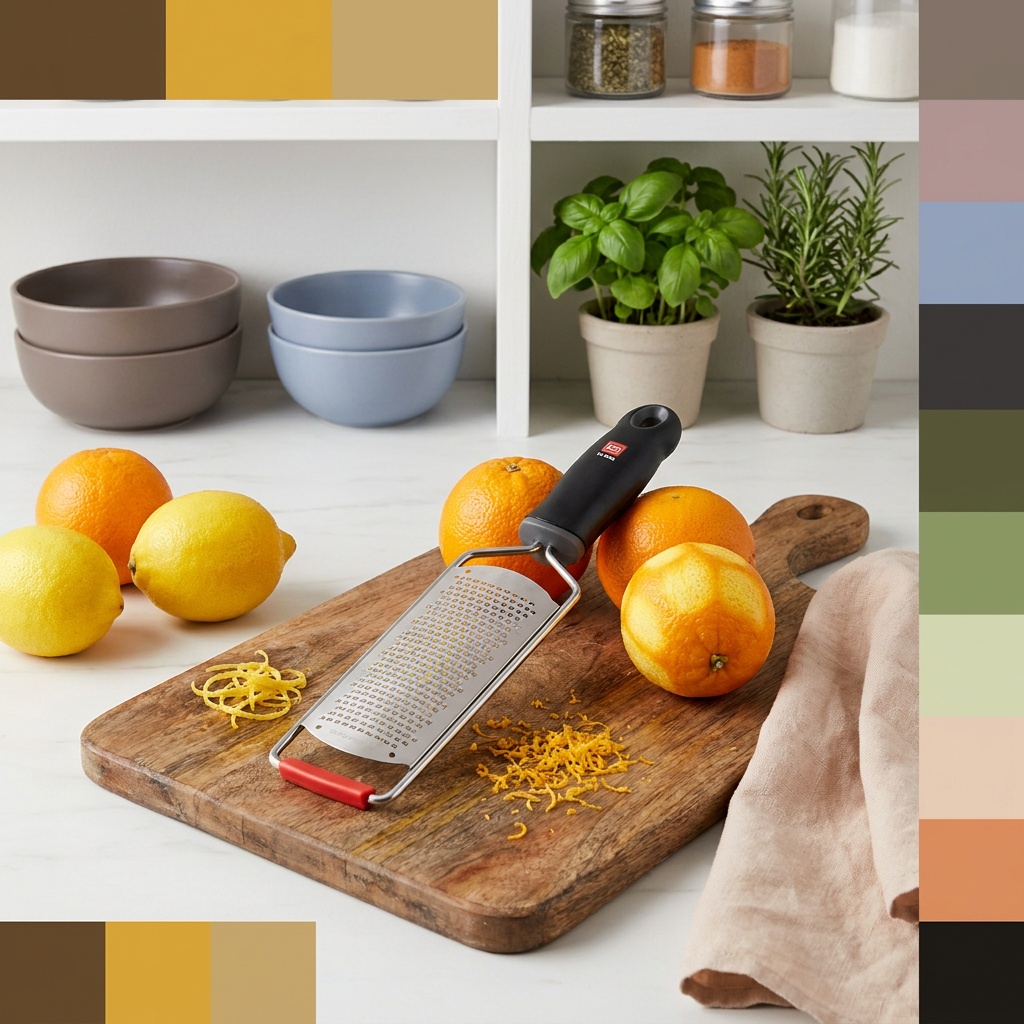
Selecting the ideal zester for small kitchen with limited space comes down to balancing performance, storage, and versatility. Prioritize compact microplane-style graters with protective covers. These tools produce excellent results while respecting your spatial constraints.
Consider your cooking patterns when making the final decision. Frequent bakers benefit from fine-grating zesters that create delicate citrus zest for desserts. Home chefs who regularly prepare fresh pasta or salads should prioritize models that handle both citrus and hard cheeses effectively. Multi-purpose designs justify their drawer space by replacing multiple single-purpose tools.
Integrating Zesting Tools Into Your Kitchen Workflow
Smart storage turns good tools into great kitchen assets. Position zesters near other prep tools like peelers and paring knives for efficient workflow organization. Magnetic storage keeps blades protected while maximizing accessibility. Just as our Space-Saving Silicone Drying Rack adapts to your available space, your zesting tools should integrate seamlessly into existing storage systems.
Develop consistent cleaning and storage habits that maintain tool performance while protecting your investment. Quick rinses after each use prevent buildup that requires deep cleaning later. Proper storage with blade protection extends tool life significantly, making well-made zesters worthwhile investments for space-conscious kitchens.
Looking Ahead: Innovation in Compact Kitchen Tools
Kitchen tool design continues evolving toward space-efficient solutions that don't compromise performance. Collapsible handles, modular components, and multi-surface designs represent the future of small kitchen equipment. These innovations mirror DI ORO's philosophy of solving real kitchen problems through thoughtful engineering and quality materials.
As home kitchens become more compact, tool manufacturers increasingly focus on space-saving designs without sacrificing functionality. The most successful compact zesters combine traditional craftsmanship with modern spatial awareness, creating tools that improve rather than complicate your cooking experience.
Smart kitchen management means choosing tools that earn their storage space through consistent performance and thoughtful design. Whether zesting citrus for morning coffee cake or grating fresh ginger for evening stir-fry, the right compact zester turns ingredient preparation from a tedious task to a culinary opportunity. Great cooking doesn't require great space. Just the right tools.
Frequently Asked Questions
What is a zester used for in the kitchen?
A zester is a specialized kitchen tool designed to remove the flavorful, aromatic outer peel, or zest, from citrus fruits like lemons and limes. It precisely shaves off only the colored part, leaving behind the bitter white pith. This fine zest adds a burst of concentrated citrus essence to both sweet and savory dishes, elevating your cooking.
How is a zester different from a regular grater?
While both are grating tools, a zester is specifically designed for very fine, delicate shavings, ideal for citrus zest, hard cheeses, or spices like nutmeg. Traditional graters often have coarser holes for larger shreds. A quality zester, like a microplane-style tool, creates fluffy zest without tearing, which is perfect for flavor distribution.
What makes a zester ideal for small kitchens with limited space?
For small kitchens, the best zesters prioritize compact design, multifunctionality, and efficient storage. Look for slender, microplane-style graters that are under 12 inches long with narrow profiles, making them easy to store in drawers or hang. Multipurpose options that handle zesting, grating, and other tasks also save precious space.
What features should I look for in a compact zester?
When choosing a zester for a small kitchen, prioritize professional-grade stainless steel blades for lasting sharpness and a comfortable, non-slip grip for safety. Look for a tool that measures between 8 and 12 inches with a flat design for easy storage. Sharp, precisely etched holes are key for effortless, efficient results.
Can a zester be used for more than just citrus?
Absolutely! A quality zester is a versatile tool that extends far beyond just citrus. You can use it to finely grate fresh ginger, hard cheeses like Parmesan, whole nutmeg, and even chocolate. This multifunctionality helps maximize your kitchen tool collection, making every inch of storage worthwhile.
What are some smart storage ideas for a zester in a limited space?
To keep your zester organized in a small kitchen, consider using magnetic strips inside cabinet doors or drawer dividers to protect the blade and keep it tidy. Many compact zesters also feature hanging loops for vertical storage on hooks or magnetic strips. This keeps your tools accessible without cluttering countertops.
What can I use if I don't have a dedicated zester?
If you don't have a dedicated zester, a very fine grater can work in a pinch, though results might not be as delicate. Some combination tools, like peeler-zesters or adjustable graters with a fine setting, can also handle zesting tasks. For the best flavor and texture, however, a specialized zester is truly the way to go.

Please upload banner from store admin blog pages