Cooking Pasta and Sauce: The Ultimate Guide (2026)
cooking pasta and sauce
Master the Basics of Cooking Pasta and Sauce
Ever wonder why your pasta turns out gummy or your sauce slides off like water? The secret starts before you even open the jar.
Why Pasta Water and Salt Ratios Matter
Use 4 to 5 quarts of water per pound of pasta. This gives noodles room to move freely and prevents clumping. Salt your water generously--it should taste like the sea, about 1 to 2 tablespoons per pound. This seasons the pasta from the inside out, creating flavor no sauce can replicate later.
Skip the oil. It coats pasta and blocks sauce from sticking. Save your olive oil for finishing.
Step-by-Step Guide to Boiling Pasta Al Dente
- Boil water first. Bring your salted water to a rolling boil before adding pasta.
- Stir immediately. Give it a good stir in the first minute to prevent sticking.
- Test two minutes early. Check pasta 2 minutes before the package time. Al dente means a slight firmness when you bite through, with no chalky center.
- Reserve pasta water. Scoop out 1 to 2 cups before draining. This starchy liquid is gold for sauce.
Common Mistakes to Avoid for Perfect Texture
Don't overcook--mushy pasta can't be saved. Don't underfill your pot or crowded pasta sticks together. Don't skip the stir during those first 60 seconds. They determine whether your noodles clump or stay separate.
Upgrade Jarred Sauce to Homemade Flavor

Store-bought sauce gets you 80% there. The final 20%? That's where dinner becomes memorable.
Simple Ways to Boost Store-Bought Sauce
Start by sautéing garlic in olive oil until fragrant, then add your jarred sauce. Simmer for 10 minutes to concentrate flavors. A pinch of sugar balances acidity. A pat of butter creates silky richness.
Brown ground beef or Italian sausage first, then build your sauce in the same pan. Those caramelized bits stuck to the bottom add serious depth once you loosen them with the sauce.
Aromatics, Herbs, and Add-Ins for Depth
Fresh basil, oregano, and red pepper flakes wake up flat flavors. Add them in the last 5 minutes. Sauté diced onion and bell pepper before adding sauce for sweetness and texture. A splash of red wine or balsamic vinegar adds complexity.
Stir in heavy cream for vodka-sauce vibes or mix in ricotta for creamy pockets throughout.
Pasta-to-Sauce Ratios in Grams for Balance
Use 1.5 cups (about 350 grams) of sauce per pound (450 grams) of pasta. This coats noodles without drowning them. Adjust based on sauce thickness: chunky sauces need less, thin marinara needs more.
Measure cooked pasta, not dry. One pound dry yields roughly 8 cups cooked.
Pro Techniques: Tossing Pasta with Sauce
How you combine pasta and sauce determines whether they become one cohesive dish or two separate components on a plate.
Pasta Water Emulsification for Glossy Coating
Add reserved pasta water to your sauce a quarter cup at a time while tossing. The starch acts as an emulsifier, binding fat and water into a silky coating that clings to every strand. Keep tossing over medium heat until the sauce thickens and coats the back of your spoon.
Sauce Addition Order: Pasta to Sauce or Vice Versa
Always add pasta to sauce, never the other way around. Transfer drained pasta directly into your saucepan using stainless steel kitchen tongs or a spider strainer. This method lets you control how much pasta water comes along and ensures even coating as you toss.
Tools That Make Stirring and Combining Effortless
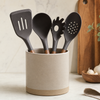
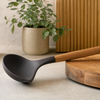
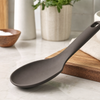
Heat-resistant silicone spatulas let you scrape every bit of sauce from the pan without scratching your cookware. DI ORO's award-winning spatulas withstand 600°F and feature stainless steel cores that won't bend when you're tossing heavy pasta. The BPA-free, LFGB-certified silicone means no harmful chemicals touch your food, backed by our Forever Warranty.
Recipe Ideas and Variations for Every Meal
Creamy, Meaty, and Veggie-Packed Options
Ground beef or Italian sausage transforms jarred marinara into a hearty meat sauce. Brown 1 pound of meat in a large pan, drain excess fat, then stir in your sauce and simmer for 20 minutes. For creamy options, whisk heavy cream or mascarpone into tomato-based sauces after the pasta joins the pan. Vegetable lovers can sauté zucchini, bell peppers, and mushrooms in olive oil before adding sauce and cooked pasta.
Oven-Baked Pasta in Sauce Methods
Baked pasta dishes like ziti or rigatoni require slightly undercooked noodles since they'll continue cooking in the oven. Boil pasta 2 minutes less than package directions, drain, then toss with your sauce and transfer to a greased baking dish. Cover with foil and bake at 375°F for 25 minutes, removing the foil for the final 10 minutes if you add cheese on top.
Add an extra 1/2 cup of water or broth to the mixture before it goes into the oven. This prevents dry, clumpy results and gives you that perfect saucy consistency when you serve.
Family Tips from DI ORO Home Chefs
Our customers share one consistent tip: taste as you go. That reserved pasta water isn't just for consistency--it seasons the final dish and helps sauce cling to every piece. When stirring everything together, use tools that won't scratch your cookware or leach chemicals into your food.
Our Designer 3-Piece Everyday Spatula Turner Set gives you three sizes for every stirring job, from delicate angel hair to chunky rigatoni. The heat-resistant silicone handles stay cool up to 600°F, the 18/10 stainless steel cores won't bend under pressure, and the BPA-free, LFGB-certified construction means you're cooking with safe, food-grade materials backed by our Forever Warranty.
Bringing It All Together: Your Pasta and Sauce Confidence

You've learned the science of salted water, the art of al dente timing, and the tricks that transform jarred sauce into something your guests will ask about. Cooking pasta and sauce isn't about following rigid rules--it's about understanding ratios, respecting starchy pasta water, and knowing when to trust your taste buds over a timer.
The magic happens in those final moments when you toss everything together, adding splashes of reserved water until the sauce clings to every piece. Whether you're boiling pasta the traditional way or trying a one-pot method for the first time, three steps will transform every dish: salt your water generously, save at least a cup of that starchy liquid before draining, and finish your pasta in the saucepan. These alone will turn weeknight marinara into holiday-worthy feasts.
Equip Your Kitchen for Repeated Success
Great technique deserves tools that won't quit on you mid-stir. When you're combining hot pasta with bubbling sauce, you need spatulas that stay cool in your hand, won't scratch your nonstick pans, and won't melt into your dinner.
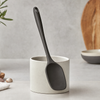
Our Designer 3-Piece Everyday Spatula Turner Set gives you three sizes built for every pasta shape and pan size. The Classic Spatula (11.6 in x 3 in with a 4.6 in x 3 in blade) handles rigatoni and penne with ease, the Cookie Spatula (9.5 in x 2.75 in with a 3 in blade) works well for delicate angel hair, and the Pancake Spatula (11.2 in x 5.2 in with a 4.3 in blade) tackles wide noodles and layered baked dishes without bending.
Each spatula features 100% silicone handles that are heat resistant up to 600°F, so you can stir simmering sauce without worrying about melted handles. The 18/10 stainless steel reinforced cores provide the strength you need when scraping fond from pan bottoms or folding thick meat sauces. BPA-free and LFGB-certified construction means nothing unwanted touches your food, and the dishwasher-safe design makes cleanup as easy as the cooking. We back every set with our Forever Warranty because we believe tools this good should last as long as your love for pasta. For detailed guidance on safe food practices, refer to safe food handling recommendations.
Where to Take Your Skills Next
Once you've mastered the fundamentals, the pasta world opens wide. Try making fresh pasta from scratch and tossing it with brown butter and sage. Experiment with regional Italian sauces like cacio e pepe, where the only ingredients are pasta water, Pecorino Romano, and black pepper. The emulsification technique you learned here applies to every sauce, from creamy carbonara to oil-based aglio e olio.
Baked pasta variations offer another playground. Lasagna, stuffed shells, and baked ziti all rely on the same principle of slightly undercooking your noodles and adding extra liquid before the oven. The confidence you've built through precise water ratios and timing translates directly to these more complex dishes. Keep tasting, keep adjusting, and remember that the best pasta dishes come from cooks who trust their instincts as much as their measurements. Your kitchen, your rules, your delicious results.
-
Posted in
cooking pasta in sauce in oven, cooking pasta in sauce not water, do you add sauce to pasta or pasta to sauce, how long to cook pasta in sauce, how much water to add to cook pasta in sauce, how to cook pasta sauce from a jar, how to make pasta with sauce and meat, pasta to sauce ratio in grams
)
Please upload banner from store admin blog pages