How to Care for Wooden Spoons: Expert Tips & Tricks
care for wooden spoons
Why Wooden Spoons Need Special Care
Wooden spoons are kitchen classics, but they're also porous, absorbent, and surprisingly fragile. Unlike metal or silicone, wood soaks up moisture, oils, and food particles--which explains why your favorite spoon smells like last week's marinara or cracks after one too many dishwasher rides. Understanding how wood reacts to water and heat is step one in keeping these tools functional.
The Science Behind Wood Porosity and Water Damage
Wood contains fibers and tiny air pockets. Soak a wooden spoon and water seeps into those gaps, making the fibers swell. Once dry, they contract--but rarely evenly. This expansion-contraction cycle creates warping, splitting, and rough surfaces where bacteria love to hide. Heat speeds everything up, which is exactly why dishwashers destroy wooden utensils.
Common Pain Points: Cracking, Warping, and Bacteria Buildup
Most people toss wooden spoons the moment they crack or smell funky. These problems start with improper cleaning and skipped conditioning. Prolonged soaking strips natural oils, leaving brittle, dry wood. Food trapped in cracks? Perfect bacteria breeding ground. The good news? All preventable with the right routine.
Pros
- Gentle on nonstick cookware surfaces
- Naturally antibacterial when properly maintained
- Does not conduct heat during cooking
- Eco-friendly and biodegradable
Cons
- Absorbs odors and stains from strong foods
- Requires regular oiling to prevent cracking
- Not dishwasher safe
- Can harbor bacteria if deeply cracked or improperly cleaned
Daily Cleaning for Wooden Spoons

Skip the dishwasher. Always. High heat and prolonged water exposure will wreck your wooden spoons faster than years of heavy use. Hand washing takes 30 seconds and saves you from replacing your favorite tools every few months.
Hand Washing Steps to Avoid Damage
- Rinse immediately after use with warm water to remove surface food.
- Apply a small amount of mild dish soap and scrub gently with a soft sponge.
- Rinse thoroughly until no soap remains.
- Never let wooden spoons sit in standing water or soak in the sink.
Stubborn bits stuck to the spoon? Make a paste with baking soda and water, scrub lightly, rinse. Done. No marathon scrubbing sessions required.
Quick Dry and Storage Tips
Pat your wooden spoons dry with a clean towel right after washing. Stand them upright in a utensil holder or lay them flat on a drying rack--air circulation is everything. Storing damp spoons in a drawer invites mold. If water pools in the bowl of the spoon, flip it over so moisture evaporates completely. Consider storing your utensils with a space-saving silicone drying rack for optimal airflow.
Pro Tip: Never leave wooden spoons resting in hot pots or pans while cooking. Prolonged heat exposure dries out the wood and can cause scorching or cracking at the contact point.
Deep Cleaning Methods That Work
Even with daily washing, wooden spoons need a deeper clean every few weeks to eliminate trapped odors and bacteria. Two methods deliver results without damaging the wood.
Vinegar Soak for Tough Stains
- Mix equal parts white vinegar and warm water in a shallow dish.
- Submerge the wooden spoon for 5 minutes max.
- Scrub with a soft brush to lift stains and odors.
- Rinse thoroughly and dry immediately.
Vinegar's acidity breaks down food residue and neutralizes smells without harming the wood. Don't exceed 5 minutes or you'll dry out the fibers.
Boiling Water for Sanitizing
- Bring a pot of water to a rolling boil.
- Remove from heat and submerge the wooden spoon for 20 seconds.
- Pull it out with tongs and air dry completely on a towel.
This kills bacteria fast. Keep exposure brief to prevent warping. How to clean wooden spoons with boiling water safely means respecting that 20-second limit.
Conditioning Wooden Spoons: Oils and Schedules
Oiling keeps wood supple, prevents cracking, and creates a protective barrier against moisture. Think moisturizer for your spoons--skip it and they get dry, cracked, and brittle.
Best Food-Safe Oils: Mineral Oil vs. Coconut Oil
| Oil Type | Benefits | Drawbacks |
|---|---|---|
| Mineral Oil | Food-safe, odorless, never goes rancid, penetrates deeply | Petroleum-based (though food-grade is safe) |
| Coconut Oil | Natural, pleasant scent, antibacterial properties | Can go rancid, may leave residue |
Mineral oil for wooden spoons wins because it doesn't spoil and provides long-lasting protection. Coconut oil for wooden spoons works in a pinch but needs more frequent reapplication.
How Often to Oil and Simple Application Steps
Oil your wooden spoons once a month or whenever they look dull and dry. New spoons benefit from oiling before first use.
- Ensure the spoon is completely clean and dry.
- Pour a small amount of food safe oil for wooden spoons onto a clean cloth.
- Rub the oil into the wood following the grain, coating all surfaces.
- Let the spoon absorb the oil for at least 4 hours or overnight.
- Wipe away excess oil with a dry cloth before using.
The best oil for wooden spoons is whichever one you'll actually use consistently. A well-oiled spoon resists water absorption and stays smooth. Food safe oil for wooden spoons means avoiding anything that could spoil or leave harmful residues.
When to Replace and Smarter Alternatives

Even with perfect care, wooden spoons don't last forever. Knowing when to retire them protects your food and your peace of mind.
Signs Your Wooden Spoon Has Seen Better Days
Deep cracks that trap food particles are the biggest red flag. If you can't get the spoon clean or it retains odors even after deep cleaning, bacteria have colonized the wood fibers. Splintering edges, persistent dark stains, or a fuzzy texture after washing all signal it's replacement time. A warped spoon that rocks when placed on a counter has lost its structural integrity.
Why DI ORO Silicone Utensils Outperform Wood
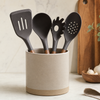
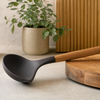
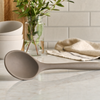
Tired of the constant maintenance wooden spoons demand? Pro-grade silicone offers a better path. DI ORO's award-winning spatulas and spoons resist heat up to 600°F, won't crack or warp, and require zero conditioning. They're dishwasher safe, non-porous, and made with BPA-free, LFGB-certified silicone that's free of forever chemicals.
| Feature | Wooden Spoons | DI ORO Silicone |
|---|---|---|
| Heat Resistance | Varies by wood type; scorches easily | 600°F tested and certified |
| Maintenance | Hand wash only; monthly oiling required | Dishwasher safe; no conditioning needed |
| Bacteria Resistance | Porous surface traps particles | Non-porous, seamless design |
| Lifespan | 1-3 years with proper care | Years of daily use, DI ORO Forever Warranty |
| Chemical Safety | Natural but can harbor mold | LFGB certified, BPA-free, forever-chemical free |
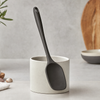
America's Test Kitchen named DI ORO's seamless spatula the best all-purpose option on the market. The stainless steel core won't bend under pressure, and the seamless construction means no crevices for food to hide. You get a gentle touch on nonstick surfaces without the hygiene concerns or upkeep that wooden tools demand.
Worth Knowing: DI ORO silicone utensils work beautifully in high-heat situations where wooden spoons would scorch or crack. Searing, sautéing, or deglazing becomes worry-free when your tools match your ambition.
Food Network recognized our spoonula as best in class. These aren't marketing claims--they reflect rigorous testing by professionals who evaluate kitchen tools for a living. What touches your food matters, which is why we use LFGB-certified, pro-grade silicone that's BPA-free and forever-chemical free.
One DI ORO silicone spatula handles tasks that would require multiple wooden spoons, each needing individual care. Scrape fond from a hot pan, fold delicate batters, flip pancakes--all with one tool. And our Forever Warranty backs it up. You break it, we replace it. No questions asked.
Care for Wooden Spoons: Building Habits That Stick
Consistency beats intensity when it comes to wooden spoon care. Quick daily washing, monthly oiling, and smart storage extend lifespan significantly. Store wooden utensils away from heat sources like stovetops. Extreme temperature changes accelerate cracking. Keep them in a drawer with good air circulation or an open crock where they can breathe--never stack damp spoons together.
Rotate your wooden spoons if you own several. Giving each tool a break between uses allows the wood to fully dry and recover. But here's the reality: some damage can't be reversed. A spoon with deep splits running through the grain has compromised structural integrity. No amount of oiling will seal those cracks or eliminate the bacteria inside them. Persistent odors that survive multiple deep cleanings mean oils and food particles have penetrated too deeply. At that point, replacement is the only safe option.
If you'd rather spend your time cooking than maintaining your tools, modern materials offer genuine advantages. DI ORO's pro-grade silicone utensils deliver the same gentle touch on cookware without the upkeep demands. No hand washing schedules. No oiling routines. No bacterial concerns. Just grab, cook, toss in the dishwasher, repeat.
For home chefs who dream big and cook with heart--whether you're tackling a soufflé for the first time or perfecting your holiday roast--your tools should support creativity, not create extra work. DI ORO builds award-winning tools for real kitchens and real cooks. That's the standard modern cooking deserves.
Frequently Asked Questions
Do wooden spoons need to be oiled?
Yes, absolutely! Oiling your wooden spoons is like giving them a moisturizer. It keeps the wood supple, prevents cracking, and builds a protective barrier against moisture absorption. We recommend using a food-safe oil, like mineral oil, about once a month or whenever your spoons start looking a bit dry.
When should you throw away a wooden spoon?
It is time to retire a wooden spoon when you see deep cracks that can trap food particles and bacteria. If your spoon retains odors even after a deep cleaning, or if the edges are splintering, it is a sign that bacteria has likely settled into the wood fibers. Replacing them at this point keeps your kitchen hygienic and safe.
How can I make wooden spoons look new again?
To refresh your wooden spoons, start with a deep clean using a vinegar soak or a quick boil to remove odors and stains. After cleaning, make sure they are completely dry, then apply a generous amount of food-safe mineral oil. Let the oil soak in for several hours or overnight, then wipe off any excess to reveal a smooth, revitalized finish.
Should wooden spoons go in the dishwasher?
No, never put wooden spoons in the dishwasher. The high heat and prolonged water exposure in a dishwasher will quickly damage the wood, causing it to warp, crack, and become rough. Always hand wash your wooden spoons with mild soap and warm water, then dry them immediately to keep them in top condition.
Why do wooden spoons crack or warp?
Wooden spoons crack and warp because wood is porous and absorbs moisture. When wood soaks up water and then dries, its fibers swell and contract unevenly, leading to damage over time. High heat, like from a dishwasher, speeds up this damaging process.
What is the best way to clean wooden spoons daily?
For daily cleaning, hand wash your wooden spoons immediately after use with warm water and a small amount of mild dish soap. Scrub gently with a soft sponge, rinse thoroughly, and then pat them dry with a clean towel. Never let them soak in standing water.
How can I remove stubborn odors from my wooden spoons?
To remove stubborn odors, you can use a vinegar soak or a brief boiling water method. Mix equal parts white vinegar and warm water, submerge the spoon for no more than 5 minutes, then scrub and rinse. Alternatively, submerge the spoon in boiling water for just 20 seconds to sanitize and neutralize smells.

Please upload banner from store admin blog pages