Best Omelette Spatula for Beginner Cooks
what omelette spatula for beginner home cooks
Hey there, home chefs! Joe here, your go-to guy at DI ORO for all things delicious and, well, easy. Let’s talk omelettes. That perfect, fluffy, golden-brown creation that feels like a culinary victory. But sometimes, the journey from pan to plate can be a bit… bumpy. We've all had those moments, right? The flip that goes wrong, the delicate fold that turns into a scramble, or the dreaded scratch on your favorite nonstick pan. That’s where the right tool makes all the difference. For beginners, mastering the omelette is a rite of passage, and choosing the right spatula is your first, most important step. Forget the frustration; we're here to guide you to the perfect flip, every single time. Understanding what makes a spatula truly great for this delicate task is key, and it starts with knowing exactly what to look for.
Key Takeaways
- Your omelette spatula should be thin and flexible to slide under eggs without tearing them.
- A heat-resistant nylon or silicone blade protects your nonstick pans from scratches.
- Choose a spatula with a slotted or angled head for easy flipping and folding.
- Look for a comfortable, non-slip handle to keep control while you master your technique.
- Start with a medium-sized spatula, it gives you enough reach without being awkward to handle.
As your partner in culinary creativity, DI ORO is all about equipping you with tools that perform, protect, and bring joy to your kitchen. We dream big and cook with heart, and we know you do too. That’s why we’re examining the field of omelette spatulas. Whether you’re just starting out or looking to up your breakfast game, this guide is designed to help you identify the best omelette spatula for beginner home cooks. We’ll break down the features that matter most, so you can cook boldly and flip confidently. Let's get flipping!
What to Look for in Your First Omelette Spatula: A Beginner’s Checklist
Stepping into the omelette-making arena can feel a little daunting, but choosing your first spatula shouldn't be. Think of it as your culinary wingman. Its primary job is to help you lift, flip, and fold delicate eggs without a hitch, all while protecting your precious nonstick pans. When you’re figuring out what omelette spatula for beginner home cooks is best, several key features come into play. We’re talking materials that won’t scratch, edges that can slide under anything, and handles that feel like an extension of your own hand. Getting these basics right means fewer kitchen mishaps and more delicious wins.
Material Matters: Why Silicone Wins for Nonstick Pans
Regarding nonstick cookware, your spatula material is everything. Metal spatulas, while sturdy, are a recipe for disaster on delicate nonstick coatings. They can scratch, gouge, and ultimately ruin your pans, leading to sticking and uneven cooking. This is precisely why silicone has become the gold standard for home cooks protecting their cookware. High-grade silicone is naturally non-abrasive, meaning it glides smoothly across your pan's surface without leaving a mark. This protective quality is paramount for any beginner looking to preserve their investment in good nonstick pans. Plus, silicone offers a bit of gentle flexibility, which is helpful for maneuvering around the edges of an omelette.
Edge Thickness and Flexibility: The Secret to Sliding Under Eggs
This is where the magic happens. An omelette spatula needs to be thin enough to sneak under a delicate, cooked egg without tearing it. We're talking about an edge that's less than 2mm thick. Think of a sharp knife's precision, but made of flexible silicone. This thin profile allows the spatula to get right underneath the egg layers, providing clean lifts and perfect flips. Coupled with just the right amount of flexibility, this thin edge can bend slightly to conform to the pan's curve and the omelette's shape, ensuring you capture every bit of egg. A spatula that’s too thick or too stiff will simply push the eggs around, making them more likely to break or fold prematurely.
The flexibility also plays a role in scooping and scraping. When you're finishing an omelette, a flexible edge can hug the pan's contour, helping you gather any stray bits of egg or filling. For beginners, this responsiveness reduces the fear of damaging the omelette during maneuvers. It’s about precision without requiring a surgeon’s steady hand, thanks to a well-designed thin and pliable edge.
Handle Length and Grip: Balance for Control and Comfort
A comfortable grip and well-balanced handle are non-negotiable for confident cooking. For omelettes, you usually don’t need an extra-long handle like you might for a deep stockpot or grill. A handle that’s around 5-7 inches long often provides the best control for flipping and maneuvering in standard 8-10 inch omelette pans. It keeps your hand at a comfortable distance from the heat while allowing for precise movements. Beyond length, the grip itself is important. Look for handles designed to be non-slip, even when your hands might be a little damp from cooking. Materials like silicone or textured grips prevent the spatula from sliding out of your hand during a critical flip, reducing the chance of accidents or messy omelette collapses.
Heat Resistance and Safety: What Temperatures Matter
Safety first, always! When cooking eggs, pan temperatures can climb, especially if you’re working quickly. You want a spatula that can handle the heat without melting, warping, or releasing harmful chemicals into your food. Silicone is fantastic here, with most high-quality options rated to withstand temperatures up to 600°F (316°C). This far exceeds the typical heat needed for cooking an omelette, which usually hovers around 250-300°F (120-150°C). Beyond heat, the material's safety for food contact is paramount. Look for BPA-free, FDA-approved, and LFGB-certified food-grade silicone. This ensures that what touches your food is pure and safe, free from forever chemicals that can migrate into your meals.
Size and Shape: Matching Your Pan for Effortless Flipping
While a dedicated omelette spatula is often smaller and more maneuverable, its dimensions should still complement your pan. A spatula that's too wide might not fit comfortably in smaller omelette pans or around the curves of the pan’s edge. Conversely, a spatula that's too narrow might require multiple passes to flip the entire omelette, increasing the risk of tearing. For standard 8-inch to 10-inch omelette pans, a spatula head that's roughly 2.5 to 3.5 inches wide is generally ideal. The shape should also be considered; a slightly curved edge can help you get under the omelette more easily. Some spatulas have a rounded tip, while others are more rectangular. For beginners, a slightly rounded, flexible turner is often more forgiving and versatile.
Beginner's Omelette Spatula Checklist
- Material: 100% Food-Grade Silicone (non-scratch, heat-resistant)
- Edge: Thin (<2mm), flexible, and smooth
- Handle: Comfortable, non-slip grip; balanced length (approx. 5-7 inches)
- Heat Resistance: Up to 600°F (316°C)
- Safety: BPA-free, FDA/LFGB certified
- Size: Head approx. 2.5-3.5 inches wide for 8-10 inch pans
- Shape: Slightly curved edge for easy lifting
The 5 Best Omelette Spatulas for Beginners (2026). Reviewed and Compared

Now that you know what features to hunt for, let's look at some of the top contenders designed to make your omelette-making journey smooth sailing. Choosing the right tool can genuinely improve your cooking experience, turning potential kitchen fumbles into confident culinary moves. We've scoured the market and tested various spatulas to bring you a curated list, focusing on beginner-friendliness, performance, and durability. Understanding what omelette spatula for beginner home cooks is truly the best involves comparing specific attributes like flexibility, heat tolerance, and how well they handle delicate tasks. Here’s our rundown of five excellent options, including our top pick that stands out for its innovative design and reliable performance.
Top Pick: DI ORO Long Spatula. Engineered for Beginner Mistakes
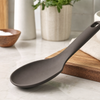
When we talk about a spatula engineered to help beginners succeed, the DI ORO Long Spatula immediately comes to mind. This isn't just any spatula; it’s a thoughtfully designed tool that addresses common pain points head-on. Its one-piece construction means no crevices where food can hide and bacteria can grow, making it incredibly hygienic and easy to clean. The pro-grade silicone head is perfectly flexible with a thin, tapered edge that glides effortlessly under eggs, minimizing the risk of tearing your delicate omelette. It’s heat-resistant up to a remarkable 600°F, providing peace of mind even if your pan gets a little too hot. The handle is also made of 100% BPA-Free, FDA Approved, LFGB Certified food-grade silicone, offering a comfortable, non-slip grip that feels secure in your hand. It features an 18/10 stainless steel reinforced core for strength and flexibility that won't bend under pressure. Backed by the DI ORO Forever Warranty, it’s built to last a lifetime, a true testament to its quality and our commitment to our customers. This spatula is designed to be sleek, comfortable to hold, and perfectly sized for multiple kitchen uses, especially for flipping omelettes. For beginners wondering what omelette spatula for beginner home cooks to choose, this one offers engineered solutions for common mistakes.
Premium Alternative: GIR Mini Flip Silicone Spatula
The GIR Mini Flip Silicone Spatula is another excellent option, particularly for those who appreciate precision in a compact package. GIR (Get It Right) is known for its focus on quality materials and thoughtful design. This mini spatula boasts a heat-resistant silicone head that’s gentle on nonstick surfaces and sharp enough to get under delicate foods. Its compact size makes it incredibly maneuverable, perfect for smaller pans or when you need fine control. The one-piece construction ensures durability and easy cleaning. While smaller than some other options, its precise design makes it a favorite for tasks requiring finesse, like folding omelettes or serving delicate pastries. It’s a great choice for cooks who value a tool that feels substantial and reliable, even in a smaller form factor.
Trusted All-Purpose: OXO Good Grips Silicone Small Flexible Turner
OXO is a brand synonymous with user-friendly kitchen tools, and their Good Grips Silicone Small Flexible Turner lives up to that reputation. Designed with comfort and functionality in mind, it features a head made from heat-resistant silicone that’s safe for nonstick cookware. The standout feature is the "Good Grips" handle, which is ergonomically designed with a soft, non-slip texture that makes it comfortable and secure to hold, even when wet. The flexibility of the silicone head allows it to easily slide under food, making it adept at flipping eggs, pancakes, and more. Its size is well-suited for smaller pans and general-purpose cooking, making it a versatile addition to any kitchen. For beginners, the familiar comfort and reliable performance of the OXO brand make this a very approachable choice.
High-Heat Specialist: Material The Soft-Edge Turner
For cooks who often push their stovetop limits or simply want maximum peace of mind, Material's Soft-Edge Turner is a compelling choice. This spatula is crafted with a focus on durability and high-temperature performance. It features a heat-resistant silicone head that’s designed to be gentle on pans while sturdy enough to handle intensive cooking. The unique aspect of Material's approach is often their commitment to quality materials and longevity. While specific temperature ratings may vary by product line, their tools are generally built to withstand substantial heat, ensuring they won't melt or warp under pressure. The soft edge is engineered for optimal flexibility and a clean slide under food, making it effective for omelettes and other delicate tasks. It represents a blend of modern design and practical functionality.
Budget Pick: Cuisinart Silicone Slotted Turner
For beginners looking for a reliable option that won't break the bank, the Cuisinart Silicone Slotted Turner is a solid choice. Cuisinart offers a range of kitchen essentials that balance affordability with decent performance. This slotted turner is typically made from heat-resistant silicone, making it safe for nonstick cookware. The slotted design can be useful for draining excess grease or liquid, though for a classic omelette, a solid edge might be preferred. However, its flexibility and thin profile still allow for decent maneuvering under eggs. The handle is usually designed for a comfortable grip, and the overall construction is durable enough for everyday use. It’s a practical, no-frills option that gets the job done, making it an accessible entry point for new cooks. It proves you don't need to spend a fortune to find a functional tool for making omelettes.
| Feature | DI ORO Long Spatula | GIR Mini Flip | OXO Small Flexible Turner | Material Soft-Edge Turner | Cuisinart Slotted Turner |
|---|---|---|---|---|---|
| Material | 100% Food-Grade Silicone Head & Handle (BPA-Free, LFGB) | Heat-Resistant Silicone | Heat-Resistant Silicone | Heat-Resistant Silicone | Heat-Resistant Silicone |
| Heat Resistance | Up to 600°F (316°C) | High (specific rating varies) | High (specific rating varies) | High (built for high heat) | High (specific rating varies) |
| Edge Type | Thin, Tapered, Flexible | Thin, Flexible | Flexible | Soft, Flexible Edge | Slotted, Flexible |
| Handle Grip | Non-slip, Ergonomic Silicone | Comfortable grip | Soft, Non-slip "Good Grips" | Ergonomic, comfortable | Comfortable grip |
| Construction | One-piece, Stainless Steel Core | One-Piece | Durable | Durable | Durable |
| Beginner Suitability | Excellent (engineered for common mistakes) | Very Good (precision & control) | Excellent (familiar, reliable) | Very Good (durability & heat) | Good (budget-friendly, functional) |
| Warranty | Forever Warranty | Standard | Standard | Standard | Standard |
3 Common Beginner Spatula Mistakes and How to Avoid Them
Making a perfect omelette can feel like a delicate dance, and sometimes, the wrong move with your spatula can lead to a scrambled mess instead of a fluffy delight. As Joe, your culinary partner here at DI ORO, I’ve seen firsthand how the right tool can prevent common kitchen mishaps. For beginners, understanding these potential pitfalls is just as important as knowing the technique. Many issues stem from using a spatula that isn’t suited for the task or not understanding its limitations. Fortunately, these mistakes are easily avoided with a little know-how and the right equipment. Let’s break down three common blunders and how to sidestep them, ensuring your omelettes are always a success.
Mistake 1: Using Too Much Force (and Why a Thin, Flexible Edge Helps)
One of the most frequent errors beginners make is applying too much pressure when trying to slide their spatula under an omelette. This brute force approach often leads to tearing the delicate egg structure, breaking the yolk, or pushing the entire omelette into a scramble. The key to avoiding this is a spatula with a thin, flexible edge, ideally less than 2mm thick. A thin edge can gently slip beneath the cooked egg without resistance, acting like a smooth glide rather than a forceful shove. This precision allows you to lift the omelette cleanly from the pan surface. When you're figuring out what omelette spatula for beginner home cooks is best, prioritizing this thin, flexible profile is paramount. It provides the necessary dexterity to maneuver under the eggs, ensuring a smooth lift and a perfect flip, no matter your experience level. This thoughtful design is why DI ORO’s spatulas are engineered to be responsive to your touch, minimizing the need for aggressive movements.
Mistake 2: Choosing the Wrong Size Spatula for Your Pan
Another common pitfall is using a spatula that’s either too large or too small for the omelette pan. A spatula that’s too wide might not fit comfortably around the curved edges of an 8-inch pan, forcing you to lift unevenly or make multiple attempts, increasing the chance of tearing. On the flip side, a spatula that’s too narrow might not cover enough surface area to flip the omelette in one swift, confident motion. For standard 8- to 10-inch omelette pans, a spatula head that measures approximately 2.5 to 3.5 inches wide is typically ideal. This size offers a good balance, allowing it to maneuver easily within the pan while providing enough surface area for a clean flip. When considering what omelette spatula for beginner home cooks, selecting one with dimensions suited for common pan sizes will significantly boost your confidence and success rate. A well-proportioned spatula makes the flipping action feel natural and controlled, rather than a struggle.
Mistake 3: Overheating the Pan or Spatula (Heat Resistance Limits)
Beginners sometimes overlook the importance of heat management, leading to damaged spatulas or even burnt food. Pans can get surprisingly hot, especially during quick cooking processes like making an omelette. If your spatula isn't designed to handle high temperatures, it can melt, warp, or even release harmful chemicals into your food. High-quality silicone spatulas, like those from DI ORO, are typically heat-resistant up to 600°F (316°C). This temperature far exceeds what's needed for cooking eggs, which usually requires around 250-300°F (120-150°C). Understanding these limits is key. Ensure your spatula’s material can withstand the heat of your stovetop. For example, the DI ORO Omelette Spatula features a temperature resistance of up to 600ºF, ensuring it remains safe and functional. Always remember that while the spatula can handle the heat, it’s still best practice to avoid leaving it in a scorching hot pan for extended periods. This attention to heat resistance protects your tools and guarantees that what touches your food is always safe and pure.
Pro Tip: The Gentle Slide
When sliding your spatula under an omelette, think "scoop and lift," not "pry and scrape." A thin, flexible edge allows you to get right under the egg without needing to force it. If the omelette seems stuck, a gentle wiggle or a small amount of butter/oil added around the edges can often release it, rather than applying more force. This technique, combined with a well-designed spatula, is your secret weapon for flawless omelettes.
Step-by-Step: How to Flip and Fold an Omelette Like a Pro (with the Right Spatula)
Now that we’ve armed you with the knowledge to avoid common mistakes, let's put it all into practice. Mastering the omelette flip and fold is a rewarding skill, and with the right spatula, it’s entirely achievable, even for the newest home cook. The process is less about strength and more about timing, technique, and having a tool that works with you. We're talking about turning that beautiful, golden egg creation from pan to plate without a hitch. For beginners wondering which spatula is best suited for this task, the answer lies in a tool that offers control, precision, and a gentle touch. Let’s walk through the essential steps, from prep to plating, to ensure your omelettes are always picture-perfect.
Prep: What You Need and How to Set Up Your Pan
Before you even crack an egg, gather your essentials. You'll need your chosen omelette spatula. Preferably a thin, flexible silicone one like the DI ORO Omelette Spatula, which is designed for this very purpose. Have your nonstick omelette pan (8-10 inch is standard) ready on the stove. Ensure the pan is clean and properly heated over medium heat; too low and the eggs won't set, too high and they'll cook too quickly or burn. Add a small amount of butter or oil. Once the butter is melted and foamy (or oil shimmers), pour in your whisked eggs. Swirl the pan gently to coat the bottom evenly. As the edges begin to set, use your spatula to gently pull the cooked edges towards the center, tilting the pan so the uncooked egg flows underneath. This creates those lovely, even layers characteristic of a good omelette. This initial setup is foundational for a smooth flip.
Slide: Getting the Spatula Under the Omelette Cleanly
This is the moment of truth for many beginners. Once the omelette is mostly set but still has a bit of shine on top, it’s time to slide your spatula underneath. The key here is confidence and a gentle approach. Insert the thin, flexible edge of your silicone spatula into the pan, aiming for the edge of the omelette. Gently work your way around the perimeter, ensuring the spatula is fully beneath the cooked egg. The 18/10 stainless steel reinforced core in DI ORO’s spatulas provides the necessary strength to lift without bending, while the silicone head offers the flexibility to get under the delicate egg. If you encounter any resistance, check if you've completed the "pull and tilt" maneuver described in the prep stage. A thin edge is critical here; it should feel like it’s gliding rather than forcing its way under. This clean slide prevents tearing and preserves the omelette's shape.
Flip: The Controlled Motion for a Perfect Turn
With the spatula securely under the omelette, it’s time for the flip. This isn't a dramatic flick of the wrist; it's a controlled, confident motion. Hold the spatula handle firmly but not tensely, ensuring a good grip. Position your hand over the center of the pan. In one smooth, decisive movement, lift the omelette slightly with the spatula and then quickly invert your wrist to flip it over. The goal is to turn it in a single, fluid motion. If your spatula edge is thin and flexible, it will help guide the omelette as it turns. For beginners, practicing this motion with just the spatula in an empty pan can build muscle memory. The balance of the spatula, its comfortable non-slip grip, and its heat resistance up to 600ºF all contribute to making this step feel less intimidating and more achievable. A successful flip means the omelette lands back in the pan, cooked-side up, intact.
Fold: Using the Spatula Edge to Shape Your Omelette
Once flipped, the omelette usually needs a final shape. This is where the spatula’s edge becomes a shaping tool. If you're making a classic half-moon omelette, use the side of your spatula to gently nudge and fold one half of the omelette over the other. The flexibility of the silicone is perfect for this, allowing you to tuck and press lightly without damaging the cooked egg. For a three-fold omelette, you'd fold one-third over the middle, then fold the remaining third over that. The thin edge helps you get cleanly under the omelette to execute these folds precisely. The DI ORO Omelette Spatula, with its one-piece design and pliable head, is excellent for this. It ensures that as you shape your omelette, no bits are left behind and the final presentation is neat and appealing. This final touch turns a simple cooked egg into an elegant dish.
Plate: Serving Without Tearing or Mess
The final step is transferring your perfectly cooked, flipped, and folded omelette to your plate. With your spatula positioned beneath the entire omelette, lift it carefully from the pan. Gently slide it onto your plate. The smooth, non-stick surface of the spatula, combined with its thin edge, ensures that the omelette slides off cleanly without sticking or tearing. If any filling has spilled, the spatula can be used to tuck it back in neatly before plating. The comfort of the handle and the balanced weight of the spatula make this final transfer feel secure and controlled. Using a spatula designed for delicate tasks means you can serve your omelette with pride, knowing it looks as good as it tastes. This entire process, from prep to plate, is made significantly easier and more enjoyable with the right tool.
Omelette Flip & Fold Guide
- Prep Pan: Heat nonstick pan medium, add butter/oil. Pour eggs, swirl pan. Pull cooked edges to center, tilting pan for uncooked egg to flow under.
- Slide Spatula: Insert thin, flexible spatula edge under the omelette perimeter. Aim for a clean, smooth glide.
- Flip Confidently: Lift omelette slightly, then perform a quick, controlled wrist motion to invert it onto the unset side.
- Shape with Care: Use spatula edge to gently fold omelette in half or thirds, tucking neatly.
- Plate Gracefully: Slide spatula fully under the finished omelette and transfer smoothly to your plate.
References
Frequently Asked Questions About Omelette Spatulas for Beginners

Can I Use a Metal Spatula on a Nonstick Omelette Pan?
Using a metal spatula on a nonstick omelette pan is generally not recommended. Metal edges can easily scratch or damage the delicate nonstick coating, leading to uneven cooking and reduced pan lifespan. For beginner home cooks asking which tool is safe and effective, silicone spatulas are the clear choice. High-quality silicone, like the DI ORO Omelette Spatula, protects your pan’s surface, ensuring your omelette slides off easily without sticking or tearing. The soft, flexible silicone head glides under eggs gently, preserving both your food and cookware.
What’s the Difference Between a Turner and a Spatula for Eggs?
While the terms “turner” and “spatula” are often used interchangeably, there are subtle distinctions relevant to cooking eggs. A turner typically has a wider, flatter surface designed for flipping pancakes, burgers, or larger foods. Spatulas, especially omelette spatulas, feature a thinner, more flexible edge crafted to slide smoothly under delicate foods like eggs without breaking them. For beginners wondering which spatula best suits egg dishes, a spatula with a tapered, flexible silicone head is preferable. It offers better control for folding and flipping omelettes, reducing the risk of tearing or damaging the delicate structure.
How Do I Clean and Store My Silicone Spatula to Make It Last?
Maintaining your silicone spatula’s longevity starts with proper cleaning and storage. The DI ORO Omelette Spatula is dishwasher safe, allowing easy cleanup without scrubbing away its integrity. For hand washing, use warm soapy water and a soft sponge to avoid abrasive wear. Store your spatula in a dry, ventilated drawer or utensil holder to prevent moisture buildup that could encourage bacterial growth. Avoid storing it near sharp objects that could nick or damage the silicone surface. Taking these precautions ensures your spatula remains hygienic and functional, supporting your omelette adventures for years.
Is a Slotted or Solid Spatula Better for Omelettes?
Choosing between a slotted and solid spatula depends on the cooking context, but for omelettes, a solid spatula is generally preferable. Solid spatulas provide a continuous surface to support the delicate eggs fully, minimizing the chance of breaking or tearing during flipping or folding. Slotted spatulas excel at draining excess liquids or fats, which is less critical when cooking omelettes. For beginners focused on mastering omelette technique, a solid, thin-edged silicone spatula like the DI ORO Omelette Spatula offers optimal support and control, ensuring a smooth lift every time.
What Size Spatula Should I Buy for an 8-Inch Omelette Pan?
For an 8-inch omelette pan, selecting a spatula with a head width between 2.5 and 3.5 inches is ideal. This size balances maneuverability and coverage, allowing you to lift and flip the omelette in one smooth motion without crowding the pan. The DI ORO Omelette Spatula fits these dimensions perfectly, designed for standard omelette pans and offering a slim, flexible edge to slide easily under your eggs. Using a spatula too large might complicate control, while one too small may require multiple attempts to flip, increasing the chance of tearing. Choosing the right size supports beginner cooks in gaining confidence and consistency.
Do I Need a Special Spatula for Folding Omelettes?
Folding an omelette requires precision and a delicate touch, but it does not necessarily demand a separate spatula. The right spatula combines thinness, flexibility, and a comfortable grip to perform all essential omelette tasks, including folding. The DI ORO Omelette Spatula offers a tapered, flexible edge reinforced with stainless steel, providing both strength and finesse. This design allows you to gently fold the omelette without tearing or losing fillings. For beginner home cooks learning which spatula can handle flipping and folding, a well-designed silicone spatula like this one is the best all-in-one tool.
Frequently Asked Questions
What kind of spatula is best for omelettes?
The best spatula for omelettes is a thin, flexible silicone spatula designed specifically for nonstick pans. A high-quality silicone spatula with an edge under 2mm thick slides easily under delicate eggs without tearing, while its flexibility helps it conform to the pan's curve for clean flips and folds. Look for one with a comfortable, non-slip handle about 5-7 inches long for balance and control.
Why should beginners use a silicone spatula for omelettes?
Beginners should use a silicone spatula for omelettes because it is gentle on nonstick cookware. Unlike metal spatulas, high-grade silicone is non-abrasive and will not scratch or damage the pan's coating. Silicone also offers gentle flexibility that helps new cooks maneuver around the omelette's edges without tearing the egg.
What spatula features matter most for flipping omelettes?
The most important spatula features for flipping omelettes include a thin edge, the right flexibility, and a comfortable handle. A spatula with an edge thinner than 2mm can slide right under the cooked egg layers for a clean lift and flip. Flexibility allows the spatula to bend slightly with the pan's curve while a balanced handle gives you control.
Can a metal spatula scratch a nonstick omelette pan?
Yes, a metal spatula can scratch and damage the delicate coating of a nonstick omelette pan. These scratches lead to sticking and uneven cooking, shortening your pan's life and making omelettes harder to flip. Silicone is a far better choice because it glides smoothly across the surface without causing damage.
What size spatula is best for an 8-inch omelette pan?
The best spatula for an 8-inch omelette pan has a narrower blade that fits comfortably within the pan's curves. A spatula that is too wide can be hard to maneuver while one that is too narrow may require multiple passes to flip the whole omelette, raising the risk of tearing. A well-sized spatula makes effortless flipping possible in standard pans.
Is heat resistance important for an omelette spatula?
Yes, heat resistance is an important safety factor for an omelette spatula. Cooking eggs typically reaches temperatures around 250-300°F, so you want a spatula that can handle more than that without melting or warping. High-quality silicone spatulas are often rated up to 600°F, well above typical omelette cooking heat, and are BPA-free and FDA-approved for safe food contact.

Please upload banner from store admin blog pages