Best Baking Essentials 2026: Ultimate Guide for Home Chefs
Key Takeaways
- Using the right baking tools can transform your baking experience from frustrating to successful.
- DI ORO offers forever-chemical-free baking tools designed for health-conscious home chefs.
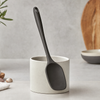
- The Seamless Silicone Spatulas by DI ORO are highly praised and considered the best all-purpose spatula.
- This guide provides essential baking tools, techniques, and gear to help aspiring bakers excel.
Table of Contents
- Why Precision Matters – Defining Best Baking Essentials
- Best Baking Essential Ingredients – Stock Your Pantry Like a Pro
- Precision Measuring Tools – The Best Baking Essentials for Accuracy
- Mixing Mastery – Tools and Techniques for Flawless Batters
- Bakeware Breakdown – Pans and Sheets for Perfect Results
- Dough and Prep Tools – Roll, Portion, and Shape Like a Pro
- Cooling, Finishing, and Specialty Gear – Elevate Your Bakes
- Common Baking Fails and Fixes – Troubleshoot with Confidence
- Advanced Techniques and Comparisons – Level Up Your Game
- Your DI ORO-Powered Starter Kit and Next Steps
The Best Baking Essentials Every Home Chef Needs to Cook Boldly and Create Memories
Ever stared down a recipe dreaming of golden cookies or a towering cake, only to fumble with the wrong tools? As Joe, Marketing Manager at DI ORO, I'm here to turn that "what if" into "nailed it." We're your partner in culinary creativity with forever-chemical-free tools like our award-winning Seamless Silicone Spatulas, praised by America's Test Kitchen as the best all-purpose spatula. This guide arms aspiring creators with the best baking essentials, blending precision tools, smart techniques, and health-first gear.
Why does precision matter? Baking demands exactness, unlike cooking, a gram off can sink your rise. A quarter teaspoon extra baking powder in cake batter creates bubbles within 10-15 minutes at 350°F, but imbalance flattens your masterpiece. We'll cover tools, ingredients, techniques, and troubleshooting for bold home chefs ready to create memorable moments.
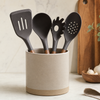
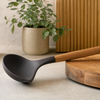
To truly elevate your baking, investing in the 3-piece seamless spatula set ensures you have the versatility and durability needed for any recipe. For those who want to measure with confidence, the 8-piece 18/8 stainless steel measuring cup and spoon set is a must-have for accuracy and consistency in every bake.
Why Precision Matters – Defining Best Baking Essentials
Baking isn't cooking, it's chemistry. The best baking essentials are tools and ingredients ensuring consistent rises, textures, and flavors. Ingredients like leaveners react precisely; one-quarter teaspoon extra baking powder in a two-cup flour batter creates excessive bubbles, but imbalance creates dense, flat results.
Mise en place (French for "put in place") prevents disasters. Spend 10 minutes organizing: scale flour to 120g per cup, chill butter to 65°F for proper creaming. Label bowls with ingredient names, preheat ovens 20 minutes early, and test leaveners by mixing half teaspoon baking soda with two teaspoons vinegar, it should fizz vigorously within five seconds.
| Aspect | Baking | Cooking |
|---|---|---|
| Measurements | Grams/weight required | Volume acceptable |
| Timing | Exact (8-10 min cookies) | Flexible adjustments |
| Recovery | Rare, prevention key | Easy mid-process fixes |
Real-world example: Holiday banana bread fails without mise en place result in soggy loaves after 45 minutes of baking time.
Best Baking Essential Ingredients – Stock Your Pantry Like a Pro

Foundational ingredients form your recipe's backbone. Start with all-purpose flour (10.5% protein for cookies and cakes), granulated sugar, unsalted butter, eggs, and leaveners. Choose unsalted butter to control salt precisely, use one-quarter teaspoon per cup of flour.
For beginners: five-pound all-purpose flour bag, four sticks butter, one dozen large eggs (50g each). Advanced bakers benefit from cake flour (7-9% protein) for tender crumb, substitute by replacing two tablespoons per cup all-purpose flour with cornstarch.
Storage tips: Store flour in airtight containers (lasts one year), freeze butter 30 minutes for perfect creaming temperature, and test yeast with one teaspoon plus quarter-cup warm water (100°F) plus one teaspoon sugar, mixture should foam within 10 minutes.
DI ORO connection: Our zesters extract fresh citrus zest that amplifies flavor without chemicals touching your batter, because what touches your food matters. For more ingredient and pantry setup advice, see our baking essentials guide.
Precision Measuring Tools – The Best Baking Essentials for Accuracy
Volume cups lie, one cup flour weighs 120-150g when scooped versus spooned. Digital scales with 0.1g accuracy eliminate guesswork. Tare your bowl, add 125g flour, scrape level. Oven thermometers verify actual temperatures since ovens run 25°F off, causing dense cakes.
Essential measuring kit: Digital scale (grams/ounces, long battery life), nesting cups and spoons (stainless steel, etched markings), and fine mesh sieve (aerates one cup flour in 30 seconds). Use liquid measuring cups at eye level for accurate 240ml milk measurements.
For the most reliable results, the 4-piece 18/8 stainless steel measuring cup set is a staple for every baker’s toolkit. If you want to dive deeper into measuring techniques, check out our liquid measuring cup blog post.
Pro techniques: Sift flour first to remove two tablespoons of lumps per cup, level spoons with knife edge for consistency, and always measure liquids at eye level. These small steps prevent the flat scones that ruin Christmas morning, proper scaling saved my holiday batch with 125g cold butter cut in 30-second pulses.
Mixing Mastery – Tools and Techniques for Flawless Batters
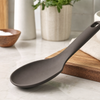
Mixing incorporates air without developing toughness. Hand mixers excel at creaming, beat butter and sugar 3-5 minutes until pale with doubled volume. The DI ORO Seamless Spatula (America's Test Kitchen winner) handles scraping with 600°F heat resistance and forever-chemical-free silicone for safe folding, maximum 10 gentle strokes.
Creaming technique: Room-temperature butter (68°F) plus sugar on medium speed for four minutes adds 50% volume for tender cakes. Dough whisks create shaggy bread dough in two minutes. Scrape bowl sides every minute, fold dry ingredients into wet in three additions, then rest batter 10 minutes for even hydration.
| Mixer Type | Batch Size | Power Level | Investment | Best For |
|---|---|---|---|---|
| Hand Mixer | Under 4 cups flour | Medium | $30-50 | Small batches, storage |
| Stand Mixer | 8+ cups flour | High torque | $200+ | Large batches, hands-free |
Our spatula's stainless steel core won't bend when scraping thick cookie dough, a common failure point with inferior tools that compromise your mixing efficiency. For more on choosing the right spatula, read our best wide spatula for baking article.
Bakeware Breakdown – Pans and Sheets for Perfect Results

Pans conduct heat evenly when constructed properly, aluminum cores perform best while thin materials warp. Half-sheets (18x13 inches) accommodate cookies spaced two inches apart. Silicone mats withstand 3,000 uses versus single-use parchment, while springform pans provide leak-proof cheesecake results.
Preparation techniques: Grease plus flour pans (one teaspoon oil plus one tablespoon flour), rotate sheets 180 degrees at the halfway point, and line with parchment overhang for easy lifting. These steps prevent sticking disasters that ruin presentation.
| Pan Type | Material | Standard Size | Primary Use | Durability |
|---|---|---|---|---|
| Cake Pan | Anodized Aluminum | 9-inch round | Layer cakes | 10+ years |
| Loaf Pan | Nonstick Steel | 9x5 inches | Quick breads | Dishwasher-safe |
| Sheet Pan | Heavy Aluminum | 18x13 inches | Cookies, roasting | Warp-resistant |
DI ORO scrapers lift baked goods cleanly without scratching nonstick surfaces, preserving your investment in quality bakeware while maintaining food safety standards.
Dough and Prep Tools – Roll, Portion, and Shape Like a Pro
Even dough thickness creates uniform baking results. Tapered rolling pins work best when chilled 15 minutes, roll from center outward to one-eighth inch thickness. Cookie scoops (#20 size for two-tablespoon portions) ensure consistent sizing, releasing cleanly when dipped in hot water between uses.
Blind baking technique: Dock pie crust with 12 fork holes, line with parchment plus two cups dried beans, bake at 400°F for 15 minutes. Dust work surfaces with one teaspoon flour, portion 30-gram cookies for 10-minute bake times, and use our DI ORO zester for fine citrus zest without bitter pith. For a premium zesting experience, try the lemon grater and zester set for effortless citrus flavor in your bakes.
Tough pie crust results from overworking, chill dough one hour, then roll between parchment sheets for controlled thickness without additional flour that toughens the final texture.
Cooling, Finishing, and Specialty Gear – Elevate Your Bakes
Proper cooling prevents soggy bottoms through airflow circulation. Cool in pans five minutes, then transfer to racks for 30 minutes. Pastry brushes apply egg wash (one egg plus one tablespoon water) with 1-2 gentle strokes for golden finishes.
Probe thermometers verify doneness: cakes reach 200°F internal temperature, while bread requires 190-210°F. Stack cooling racks for batch efficiency, and use palette knives at 45-degree angles for smooth 3mm frosting layers.
DI ORO tongs grip hot items safely with heat-resistant, chemical-free silicone. For versatile handling of baked goods and more, the 12-inch stainless steel kitchen tongs are an essential addition to your kitchen arsenal.
Common Baking Fails and Fixes – Troubleshoot with Confidence

Flat cakes signal dead leaveners, test by mixing 1/2 tsp baking soda with 2 tsp vinegar for vigorous fizzing within 5 seconds. Cookies spreading across your sheet? Dough temperature exceeded 75°F; chill 30 minutes before baking at 375°F for proper hold.
Dense muffins result from overmixing, fold dry ingredients in exactly 12 strokes maximum. Soggy pie crusts trap steam; dock with 12 fork holes and start at 425°F for the first 15 minutes. Bitter aftertastes indicate excess baking soda; balance with 1/2 tsp acid like yogurt or lemon juice per cup of flour.
| Problem | Root Cause | Exact Fix |
|---|---|---|
| Flat/Dense Texture | Expired leaveners | 1 tsp fresh baking powder per cup flour |
| Bitter Taste | Excess baking soda | Balance with 1/2 tsp acid (yogurt/lemon) |
| Spreading Cookies | Warm butter/dough | Chill dough 1 hour, bake at 375°F |
| Dry, Tough Results | Overmixing gluten | Fold maximum 12 strokes |
| Soggy Bottom Crust | Steam trapped | Dock + vent, start 425°F |
| No Rise | Dead yeast | Proof 10 minutes in warm liquid |
Altitude adjustments prevent high-elevation disasters: add 1-2 tablespoons flour per 1,000 feet elevation. Always weigh ingredients rather than relying on volume measurements, 1 cup flour varies from 120-150g when scooped versus spooned, creating inconsistent results.
DI ORO spatulas prevent overmixing with their flexible edges that fold batters gently, while our heat-resistant silicone won't melt when scraping hot pans, eliminating tool-related fails entirely. For more troubleshooting tips, visit our baking essentials tips blog.
Advanced Techniques and Comparisons – Level Up Your Game
Understanding leavener chemistry elevates your best baking essentials knowledge: baking soda requires acid activation (1:2 ratio with vinegar or buttermilk), while baking powder self-activates with moisture and heat. Choose unsalted butter for precise sodium control, add exactly 1/4 teaspoon salt per cup flour rather than guessing salted butter's variable content.
Sugar types create distinct textures: brown sugar's molasses adds moisture for chewy cookies (substitute with +2 tablespoons per cup), while granulated sugar creams with butter for light cakes. Tempering eggs prevents curdling, warm them in 110°F water for 5 minutes before adding to room-temperature batters.
| Sugar Type | Best Application | Substitution Ratio | Texture Result |
|---|---|---|---|
| Granulated | Creaming, cookies | 1:1 baseline | Crisp, light |
| Brown (packed) | Chewy textures | +2 tbsp per cup | Moist, dense |
| Powdered | Frostings, dusting | 1¾ cups per 1 cup granulated | Smooth, fine |
Scaling recipes requires mathematical precision: double everything except salt (increase by 1.5x) and leaveners (increase by 1.75x). Professional bakers weigh ingredients to 0.1g accuracy, invest in this precision for consistent results across batches. For a broader look at kitchen utensils and their uses, see this kitchen utensil overview.
Your DI ORO-Powered Starter Kit and Next Steps
Build your best baking essentials foundation with our curated starter kit under $150: DI ORO Seamless Spatula (America's Test Kitchen winner), digital scale with 0.1g precision, half-sheet pans, and core ingredients, all-purpose flour, unsalted butter, fresh leaveners, and large eggs. This combination handles 90% of home baking projects from cookies to cakes.
Why DI ORO anchors your kit: our award-winning spatulas feature pro-grade, forever-chemical-free silicone tested to 600°F, stainless steel cores that won't bend under thick dough pressure, and seamless construction preventing bacteria harboring. Food Network recognizes our spoonula as best-in-class. For more on spatulas, visit the spatula article for additional insights.
Frequently Asked Questions
Why is precision so important in baking compared to cooking?
Baking is a science where exact measurements and timing directly affect texture, rise, and flavor. Unlike cooking, even a small imbalance, like an extra quarter teaspoon of baking powder, can cause your baked goods to collapse or turn dense, making precision essential for consistent success.
What are the benefits of using DI ORO's seamless silicone spatulas for baking?
DI ORO's seamless silicone spatulas are heat-resistant up to 600°F and made from forever-chemical-free, pro-grade silicone, ensuring safety and durability. Their flexible yet sturdy design makes mixing, folding, and scraping effortless, helping you achieve flawless batters without waste or mess.
How can mise en place improve my baking results and prevent common mistakes?
Mise en place, or 'everything in its place,' means prepping and organizing all ingredients and tools before baking. This practice streamlines your process, reduces errors like missing ingredients or incorrect measurements, and keeps you focused, so your bake turns out just right every time.
What essential tools and ingredients should I stock in my pantry to bake like a pro?
Stock your pantry with precision measuring tools like stainless steel cups and spoons, quality flours, sugars, leaveners, and flavorings. Pair these with versatile tools such as DI ORO’s award-winning seamless silicone spatulas and reliable bakeware to ensure accuracy, consistency, and ease in every bake.

Please upload banner from store admin blog pages