Best Kitchen Tools and Equipment: Forever-Chemical Free
Key Takeaways
- Box graters efficiently handle cheese and carrots in seconds.
- Fine rasps quickly turn ginger and garlic into a paste-like consistency.
- Using the right kitchen tools can save time and improve food preparation.
- Proper tools help avoid unwanted bitter pith in food.
Table of Contents
- Introduction: Why the Right Kitchen Tools Transform Cooking from Chore to Joy
- Essential Cutting Tools – Start with Knives That Slice Through Challenges
- Prep Powerhouses – Tools That Make Mise en Place Effortless and Accurate
- Must-Have Utensils – The Workhorses for Stirring, Flipping, and Serving Safely
- Cookware Foundations – Pots, Pans, and Skillets Built to Last Without Toxins
- Smart Appliances and Gadgets – Efficiency Boosters for Modern Home Chefs
Introduction: Why the Right Kitchen Tools Transform Cooking from Chore to Joy
Sharp knives reduce injury risk by requiring 40% less cutting force than dull blades. When you're not fighting your tools, precision follows naturally. The foundation of any kitchen starts with three cutting essentials: a chef's knife for bulk prep, a paring knife for detailed work, and proper maintenance tools to keep edges sharp. For those looking to upgrade their essentials, consider the Cut & Peel collection for high-quality knives and prep tools.
An 8-inch chef's knife handles everything from dicing onions in under two minutes to breaking down whole chickens. Test balance with the "rock test", place the blade flat on a cutting board and gently rock side to side. A well-balanced knife stays stable without wobbling.
Master the claw grip: curl fingertips under, using knuckles as a guide while your thumb anchors the ingredient. This technique prevents cuts while enabling rapid, uniform slicing. For dicing an onion, make horizontal cuts first, then vertical, finishing with perpendicular chops, the entire process takes 90 seconds with proper knife skills. If you want to further streamline your prep, a 2-Piece Stainless Steel Kitchen Scissor Set can handle tasks like trimming fat or snipping herbs with ease.
Boning, Paring, and Specialty Knives
Paring knives excel at intricate tasks like hulling strawberries or peeling apples in continuous spirals. The 3-4 inch blade offers control impossible with larger knives. Boning knives feature flexible 5-6 inch blades that curve around joints and bones, trimming fat and sinew in seconds rather than minutes.
Bread knives deserve special mention, serrated edges slice through crusty loaves without compressing the crumb. The sawing motion works where straight blades fail, maintaining the bread's texture and structure.
| Knife Type | Blade Length | Best Tasks | Price Range |
|---|---|---|---|
| Chef's Knife | 8-10 inches | Chopping, dicing, slicing | $50-200 |
| Paring Knife | 3-4 inches | Peeling, trimming, detail work | $15-50 |
| Boning Knife | 5-6 inches | Meat prep, fish filleting | $30-80 |
Maintenance Mastery
Hone your knives weekly with 10 strokes per side at a 20-degree angle. Honing realigns the edge; sharpening removes metal to create a new edge. Most home cooks need professional sharpening quarterly with regular honing.
For DIY sharpening, soak whetstones for 10 minutes, then make 100 passes per side, maintaining consistent angle and pressure. The knife should slice paper cleanly when properly sharpened, if it tears or won't cut, continue sharpening.
Prep Powerhouses – Tools That Make Mise en Place Effortless and Accurate

Precision prevents recipe failures. The difference between a teaspoon and tablespoon of baking powder determines whether your cake rises or flops. Professional prep tools ensure accuracy while making repetitive tasks faster and safer. For example, a 4-Piece 18/8 Stainless Steel Measuring Cup Set guarantees consistent results every time you bake.
Cutting Boards and Peelers
Polypropylene cutting boards offer the best balance of durability and safety, they're dishwasher-safe, odor-resistant, and won't harbor bacteria in scratches like wood can. Sanitize any cutting board with a 1:10 bleach solution, letting it sit for one minute before rinsing.
Microplane zesters transform citrus work from tedious to effortless. Zest a whole lemon in 15 seconds without bitter pith. For vegetables, box graters handle cheese and carrots quickly, while fine rasps tackle ginger and garlic into paste-like consistency in seconds. If you're curious about the best tools for zesting, check out this guide on the best kitchen tool for zesting citrus.
Measuring Cups, Spoons, and Mixing Bowls
Stainless steel measuring sets eliminate guesswork and last decades. Magnetic measuring spoons stick together, no more hunting through drawers for the teaspoon. Level dry ingredients with the back of a knife for accuracy; measure liquids at eye level to avoid the meniscus effect that can throw off baking ratios by 10-15%. For even more precision, a 4-Piece 18/8 Stainless Steel Measuring Spoon Set is a must-have for every baker.
Nesting mixing bowls save space while providing the right size for any task. Glass bowls work for microwaving, while stainless steel chills faster for whipped cream. The key is having at least three sizes: small for whisking eggs, medium for mixing batters, and large for tossing salads or rising dough.
Can Openers, Mashers, and Kitchen Problem-Solvers
A quality can opener prevents jagged edges and food contamination. Look for models that cut from the side, leaving smooth edges safe enough to touch. Potato mashers with perpendicular wire grids create fluffy results in under two minutes, far superior to fork-mashing that creates gluey texture.
Kitchen shears handle tasks knives can't: snipping herbs directly into dishes, cutting pizza, trimming fat from meat. Choose models that come apart for thorough cleaning, since bacteria loves to hide in joints and crevices. For more tips on maximizing your shears, read this article on kitchen scissors.
Prep Efficiency Tip: Calibrate your measuring tools annually by measuring 1 cup of water on a kitchen scale, it should weigh exactly 236 grams. Off by more than 5 grams? Replace the measuring cup.
Must-Have Utensils – The Workhorses for Stirring, Flipping, and Serving Safely
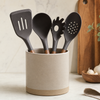
The right utensils protect your cookware investment while keeping your food safe from harmful chemicals. Heat-resistant, non-stick-safe tools prevent scratches that harbor bacteria and eliminate the risk of melting plastic contaminating your meals. When the best kitchen tools and equipment meet professional standards, home cooking transforms from frustrating to flawless. For a curated selection, explore these award winning kitchen utensils designed for both safety and performance.
Spatulas and Spoonulas – The Award-Winning Standard
DI ORO™ Seamless Series spatulas earned America's Test Kitchen's Best Silicone Spatula award for good reason. The seamless design eliminates bacteria-harboring crevices, while pro-grade silicone withstands 600°F without melting or warping. This means scraping caramel from a hot pan or folding delicate meringue with equal confidence.
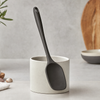
The spoonula, a hybrid of spoon and spatula, excels at tasks requiring both scooping and scraping. Use it to fold chocolate chips into cookie dough, then scrape every bit of batter from the bowl. The curved edge conforms to pan bottoms, ensuring nothing sticks or burns while you're sautéing. For a versatile upgrade, try the 2-Piece Silicone Spoon Set for all your mixing and folding needs.
Tongs, Whisks, and Turner Essentials
Locking tongs in 8-12 inch lengths handle everything from flipping steaks to tossing salads. The locking mechanism prevents drawer damage and ensures they stay closed during storage. For whisks, balloon shapes incorporate air faster, 20 strokes versus 40 with straight whisks, making them ideal for whipped cream or egg whites. If you're looking for reliable tongs, the 2-Piece Kitchen Tongs Set (9-Inch and 12-Inch) offers both versatility and durability.
Fish turners, with their thin, flexible edges, slide under delicate proteins without breaking them apart. The slotted design drains excess oil, preventing soggy results when moving food from pan to plate. For more expert advice on choosing the right utensils, read this comprehensive guide to the best cooking utensils.
Wooden Spoons vs. Silicone – The Safety Analysis
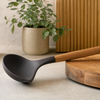
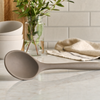
Silicone wins for non-stick cookware protection and heat resistance. Unlike wood, which can crack and harbor bacteria in crevices, quality silicone remains non-porous and dishwasher-safe. DI ORO™ tools are forever-chemical-free, addressing health concerns about PFAS contamination found in some kitchen plastics.
Wood still has its place for stirring thick sauces in stainless steel or cast iron, where heat isn't extreme. However, for versatility and safety across all cookware types, silicone tools provide superior performance without compromise.
| Material | Heat Limit | Non-Stick Safe | Cleanability | Durability |
|---|---|---|---|---|
| DI ORO™ Silicone | 600°F | Completely safe | Dishwasher safe, non-porous | Lifetime warranty |
| Wood | 350°F | Safe but can scratch | Hand wash only, can crack | 2-3 years with care |
| Metal | 800°F+ | Damages coatings | Dishwasher safe | Decades |
| Standard Plastic | 200°F | Melts and scratches | Stains and retains odors | 6-12 months |
Perfect Pancake Flip: Heat your pan for 2 minutes on medium, add a pea-sized drop of oil. When bubbles form and pop on the pancake surface, slide your spatula underneath in one confident motion, hesitation leads to tears.
Cookware Foundations – Pots, Pans, and Skillets Built to Last Without Toxins
Material science drives cookware performance. Cast iron retains heat twice as long as aluminum, while stainless steel provides even heating without reactive flavors. The best kitchen tools and equipment avoid forever-chemical coatings that flake into food, opting instead for naturally non-stick surfaces that improve with use.
Cast Iron Skillets and Dutch Ovens
Pre-seasoned Lodge skillets sear steaks to perfection, 4 minutes per side at 450°F creates restaurant-quality crust. Unlike non-stick pans that deteriorate, cast iron builds flavor layers over time. The thermal mass holds steady temperature even when cold food hits the surface, preventing temperature drops that cause sticking.
Dutch ovens transition seamlessly from stovetop to oven, handling everything from bread baking to braising. The heavy lid creates a moisture seal that keeps roasts tender during long, slow cooking. Deglaze with 1/4 cup wine after searing to capture every bit of caramelized flavor. For a delicious way to use your Dutch oven, try this steak sandwich recipe.
Stainless Steel and Multi-Clad Construction
Tri-ply construction bonds aluminum cores between stainless steel layers, eliminating hot spots that burn food. The aluminum conducts heat evenly, while stainless steel provides durability and non-reactive cooking surfaces. This combination handles acidic tomato sauces without metallic flavors.
Cleaning stainless steel requires the right technique: Bar Keepers Friend paste scrubbed for one minute removes even stubborn stains. For stuck-on food, deglaze the hot pan immediately, the steam loosens particles before they bond permanently. For more on safe cookware materials, see this EPA resource on PFAS and cookware safety.
Forever-Chemical-Free Cooking Surfaces
Traditional non-stick coatings release toxic fumes when overheated and flake into food as they age. Carbon steel and well-seasoned cast iron develop natural non-stick properties without chemical treatments. These surfaces actually improve with use, unlike synthetic coatings that degrade.
For true non-stick performance without health risks, properly heated stainless steel with adequate fat prevents sticking. The key is preheating for 3 minutes until a water droplet dances across the surface, then adding oil just before food.
Cast Iron Seasoning Method: Apply a thin layer of flaxseed oil, wipe excess completely, then bake at 450°F for one hour. Repeat 3-4 times for bulletproof seasoning that rivals any non-stick pan.
Smart Appliances and Gadgets – Efficiency Boosters for Modern Home Chefs

Multi-function appliances maximize small kitchen potential. A quality food processor chops vegetables in 20 seconds versus 5 minutes by hand, while blenders create smooth purees impossible to achieve manually. The best kitchen tools and equipment earn counter space by handling multiple tasks efficiently. For more on essential baking tools, read this article on baking essentials for baking spatulas and tools.
Blenders, Food Processors, and Stand Mixers
Blenders excel at liquid-based tasks, smoothies, soups, and sauces, using vortex action to pull ingredients down toward blades. Food processors handle dry chopping and mixing through horizontal blade motion. For cookie dough, pulse 10 times to avoid overworking gluten; for salsa, chop onions 5 seconds, then add tomatoes with 3 quick pulses.
Hand mixers suit occasional bakers with limited storage, while stand mixers handle heavy doughs and large batches. The planetary mixing action reaches every corner of the bowl, ensuring even incorporation without manual scraping. For a top-rated spatula set to help with mixing and scraping, try the 3-Piece Seamless Spatula Set.
Precision Kettles and Specialized Cookers
Gooseneck kettles provide pour control essential for French press coffee and pour-over brewing. Temperature control models hit the perfect brewing temperature for optimal extraction, ensuring your coffee or tea is never bitter or under-extracted. Rice cookers and slow cookers automate staples and stews, freeing up your attention for more creative tasks. For busy home chefs, these appliances are true time-savers that deliver consistent results every time.
Frequently Asked Questions
What are the essential knives every home cook should have and how do their uses differ?
Every home cook should start with three essential knives: a chef's knife for general chopping and slicing, a paring knife for detailed tasks like peeling and hulling, and a boning knife for trimming meat and navigating joints. Each knife is designed to handle specific tasks efficiently, making prep faster and more precise.
How can I properly maintain and sharpen my kitchen knives to ensure safety and efficiency?
Keep knives sharp by regularly honing with a steel rod and sharpening with a whetstone or professional service when needed. Proper maintenance includes cleaning knives by hand and storing them safely to prevent dulling and accidents, ensuring safer, more efficient cutting every time.
Why is it important to choose kitchen tools made from materials free of PFAS, PFOA, and BPA?
Choosing kitchen tools free of PFAS, PFOA, and BPA ensures your cookware is durable, non-toxic, and safe for food contact. These forever-chemical-free materials protect your health and maintain the integrity of your meals without harmful chemical exposure.
What techniques can help prevent injury and improve precision while chopping and dicing with knives?
Mastering the claw grip, curling fingertips under and using knuckles as a guide, helps prevent cuts while maintaining control. Combining this with sharp knives and proper cutting motions, like horizontal and vertical slices, boosts precision and speeds up prep safely.

Please upload banner from store admin blog pages