Silicone vs. Metal Spatula for Non-Stick Cookware
silicone spatula vs metal spatula for non-stick cookware
The Great Spatula Showdown: Silicone vs. Metal on Your Non-Stick Cookware
Why This Decision Matters for Your Kitchen
That smooth coating on your favorite pan isn't indestructible. One wrong utensil can turn a pristine surface into a scratched mess, costing you both performance and money. The choice between silicone and metal spatulas isn't just preference. It's about protecting your investment and cooking like the home chef you are.
Understanding Your Non-Stick Pans
Non-stick surfaces use PTFE or ceramic coatings bonded to metal bases. These coatings create that beautiful, frictionless cooking experience but can't stand up to metal edges. Once compromised, your pan deteriorates fast. Releasing particles into food and losing that signature glide you paid for.
Meet Your Options: Silicone vs. Metal
Metal spatulas bring stainless steel construction and professional heritage. They're built for cast iron and steel, where durability trumps gentleness. Silicone spatulas use flexible polymer construction that glides across coated surfaces without damage. This difference changes everything about how they perform on your non-stick cookware.
Why Metal Spatulas and Non-Stick Cookware Clash
The Scratch Factor: Science Behind the Damage
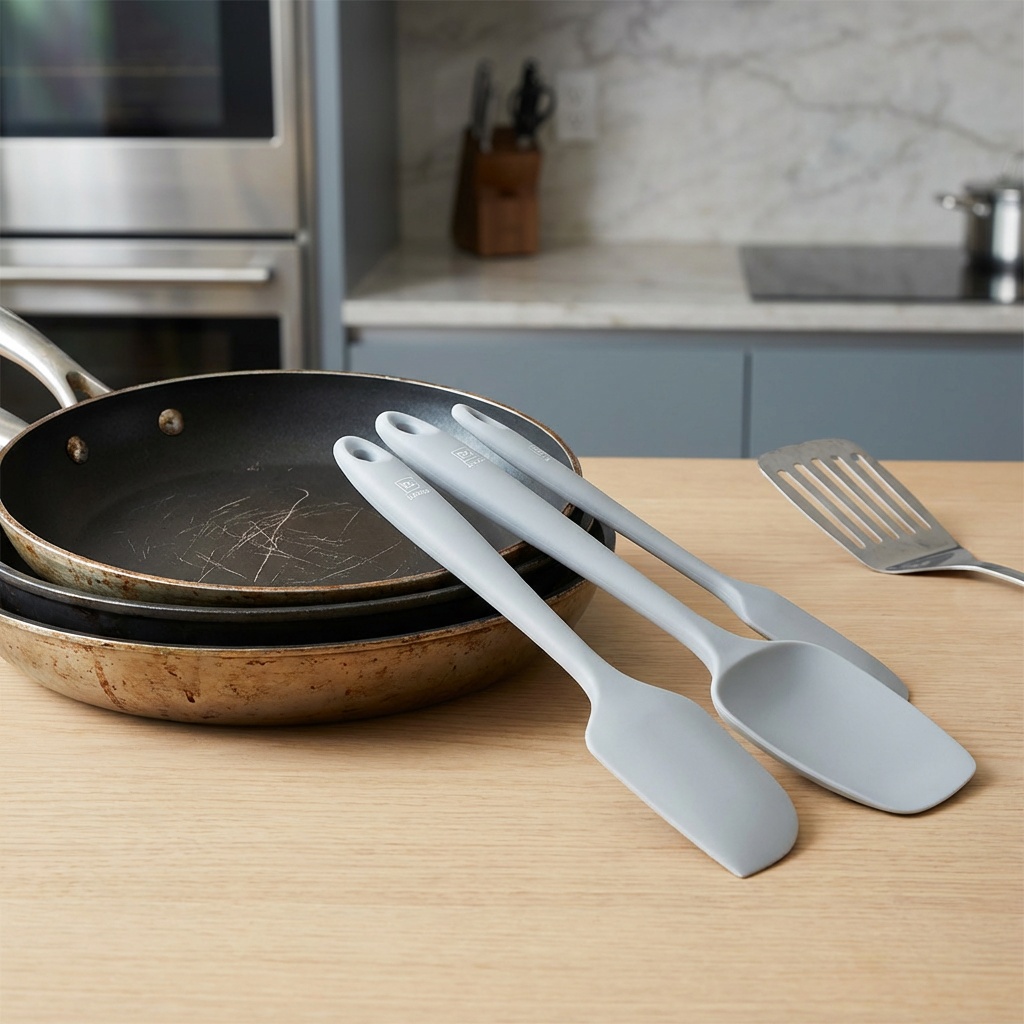
Stainless steel registers between 4 and 5 on the Mohs hardness scale. Most non-stick coatings top out around 3. That means scrapes transfer energy directly into the coating, creating microscopic damage that accumulates into visible scratches and food-grabbing rough spots.
The Real Cost: More Than Surface Deep
Metal spatulas don't just scratch. They dent coating edges, chip reinforced areas, and speed up wear patterns. Even gentle use concentrates force in ways that flexible materials naturally distribute. The result? Your expensive non-stick pan becomes a sticky, particle-shedding disappointment.
When Metal Makes Sense (Spoiler: Not on Non-Stick)
Metal Spatulas: Know Your Lane
Pros
- Perfect for cast iron and carbon steel
- Great for scraping fond during deglazing
- Long-lasting with proper care
Cons
- Damages non-stick coatings quickly
- Conducts heat (hello, burn risk)
- Worsens problems if coating is already compromised
Why Silicone Wins for Non-Stick Cookware
Gentle but Mighty: Pan Protection That Performs
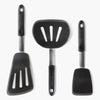
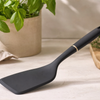
Silicone falls around 2 to 3 on the Mohs scale. Softer than most non-stick coatings. It yields on contact instead of forcing through, which protects your cookware while giving you the control to cook confidently. DI ORO's Omelette Spatula uses food-grade silicone that works with your pans, not against them.
Heat Resistance: Cook Without Fear
DI ORO's spatulas handle heat up to 600°F without melting or warping. While metal conducts heat (and can burn your fingers), silicone insulates better, keeping the grip comfortable even during high-heat searing. No more juggling hot utensils or reaching for oven mitts mid-flip.
Flexibility: Get Every Last Bit
Rigid metal can't adapt to pan curves the way silicone can. Flexible edges contour to surfaces, helping you lift eggs cleanly and scrape every corner thoroughly. This means less waste and better flips for pancakes and tender fish.
DI ORO Build Quality at a Glance
| Feature | DI ORO Silicone | Typical Metal |
|---|---|---|
| Heat Resistance | Up to 600°F | Varies by design |
| Non-Stick Safety | Designed for protection | High damage risk |
| Materials | BPA-free, FDA approved, LFGB certified; steel core | Depends on construction |
| Comfort | Cool-grip silicone handle | Gets hot during cooking |
The DI ORO Difference: Quality You Can Count On
Every DI ORO spatula features BPA-free, FDA approved, LFGB certified food-grade silicone with an 18/10 stainless steel core for strength without sacrificing flexibility. Plus, our industry-leading Forever Warranty means we've got your back. Browse the full Designer Series to find your perfect match.
The Science: Why Material Choice Affects Your Cooking
Silicone's Secret: Flexibility That Protects
Silicone's molecular structure absorbs and distributes impact rather than transmitting it sharply like metal does. This explains why silicone tools protect coated surfaces. Pressure spreads out across the contact area instead of concentrating at a rigid edge.
The Math: Protecting Your Investment
A quality non-stick pan costs $30 to $100+. If the wrong utensil cuts that lifespan in half, you're looking at unnecessary replacement costs. A well-made silicone spatula protects your cookware while lasting for years. Making it the smarter financial choice.
Your Ultimate Spatula Compatibility Guide
| Cookware Material | Best Utensil Choice | Why It Matters |
|---|---|---|
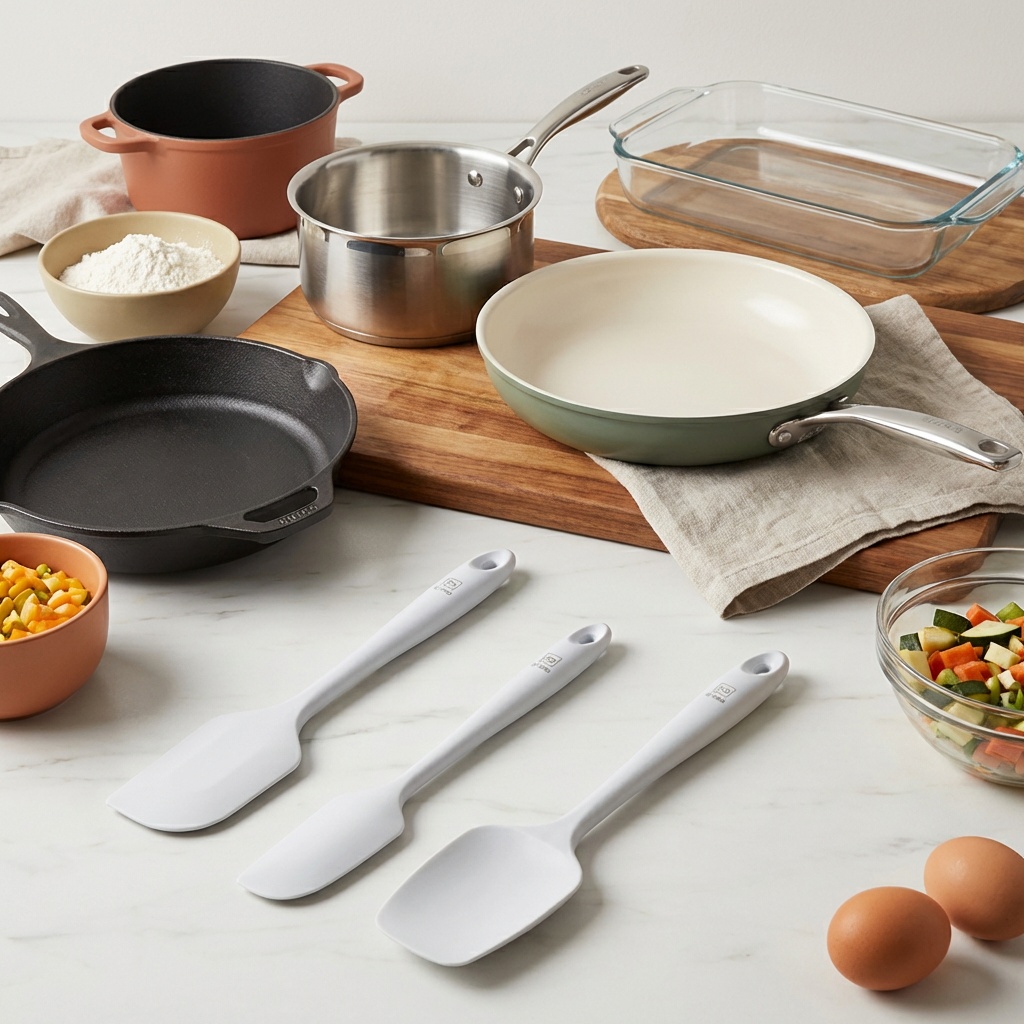
| Non-Stick (PTFE/Ceramic) | Silicone | Coating protection is everything |
| Cast Iron | Either works | Metal's fine; silicone's gentler on seasoning |
| Stainless Steel | Either works | Surface handles both materials well |
| Carbon Steel | Either works | Metal scrapes well; silicone protects seasoning |
Non-Stick Pans: Silicone Is Your Best Friend
For coated cookware, there's no contest. Silicone protects your investment while delivering the control you need for perfect flips and gentle scraping. It's the daily driver choice for anyone serious about making their non-stick pans last.
Cast Iron: Built Tough, Benefits from Gentle Care
Cast iron can handle metal contact, but silicone still wins for versatility. Flexible edges reach rounded corners and curved surfaces better than most rigid designs, plus they won't scrape away carefully built seasoning.
Other Surfaces: When Gentleness Pays Off
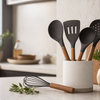
Ceramic and enameled surfaces benefit from softer utensils too. While wooden tools remain popular, they can hold odors and stains. Non-porous silicone cleans easily and won't absorb flavors between uses.
DI ORO: One Tool, Multiple Jobs
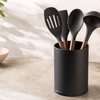
DI ORO's silicone tools work across cookware types. Heat resistant to 600°F, dishwasher safe, and built with reinforced cores for strength. Plus, our Forever Warranty means you're covered for life.
The Bottom Line: Protect What You Paid For
When choosing between silicone and metal spatulas for non-stick cookware, silicone wins hands down. It's gentler on coated surfaces, stays cool during cooking, and handles the everyday jobs non-stick pans do best. Metal still belongs in your kitchen. Just save it for cast iron, stainless steel, and carbon steel where durability matters more than surface protection.
Your non-stick investment deserves the right tools. Choose silicone spatulas for coated pans, then keep metal options available for cookware that can handle the heat. Your pans (and your wallet) will thank you.
Frequently Asked Questions
What is the best material for spatulas on non-stick pans?
Silicone is the best material for spatulas on non-stick pans. It's softer than most non-stick coatings on the hardness scale, which means it won't scratch or damage the delicate surface. Metal spatulas can easily scratch non-stick coatings since they're harder than the coating material.
Is silicone spatula good for non-stick pans?
Yes, silicone spatulas are excellent for non-stick pans. They protect the coating from scratches and damage while providing the flexibility to contour around pan surfaces for better food release. DI ORO's silicone spatulas are specifically designed for non-stick cookware and feature heat resistance up to 600°F.
Is silicone spatula better than metal?
For non-stick cookware, silicone spatulas are definitely better than metal. While metal spatulas work well on cast iron and stainless steel, they can quickly damage non-stick coatings. Silicone offers better heat insulation, flexibility for precise cooking, and protects your cookware investment.
Will metal spatula scratch a non-stick pan?
Yes, metal spatulas will scratch non-stick pans. Metal rates higher on the hardness scale than most non-stick coatings, so even gentle use can create microscopic scratches that accumulate over time. These scratches create pathways for food to stick and can cause coating particles to migrate into your meals.
What are the healthiest utensils for nonstick pans?
Food-grade silicone utensils are the healthiest choice for non-stick pans. Look for BPA-free, FDA approved options like DI ORO's spatulas that won't damage the coating or release harmful particles. Protecting your non-stick coating prevents it from deteriorating and potentially releasing particles into your food.
Can I use metal spatulas on any cookware safely?
Metal spatulas work well on cast iron, carbon steel, and stainless steel cookware where the surface can handle the hardness. They're particularly useful for scraping fond during deglazing on these durable surfaces. Just avoid using them on any coated or non-stick cookware to prevent damage.
How do I know if my spatula is damaging my non-stick pan?
Look for visible scratches, areas where food starts sticking, or any coating that appears worn or flaking. Once you see these signs, the damage is already done and will continue to worsen. Prevention is key, so switch to silicone utensils before damage occurs to protect your cookware investment.